Quick Answer
Private dentures offer more material choices than NHS dentures because private dental care is not limited by the cost and policy constraints that govern NHS services, allowing for greater customization in comfort, durability, and aesthetics.
- Private dentures provide a wider range of materials such as flexible polymers and high-quality composites, enhancing comfort and appearance.
- NHS dentures use standardized, cost-effective materials like acrylic resins and metal frameworks to ensure affordability and basic function.
- Private dental care allows for advanced materials that improve fit, reduce allergic reactions, and offer better aesthetics.
- Cost and healthcare policies limit NHS denture materials to those that balance durability and affordability.
- Private dentures tend to be more expensive due to premium materials and customization options.
- Technological advances like 3D printing and CAD/CAM are expanding material and customization options primarily in private dentures.
- Choosing between NHS and private dentures involves balancing personal preferences, budget, and desired outcomes.
Why Might Private Dentures Offer More Material Choices Than NHS Dentures?
Private dentures typically provide a wider range of material options compared to NHS dentures because private dental care is not limited by the cost and policy constraints that govern NHS services. This means private patients can often choose from materials that better suit their needs in terms of comfort, appearance, and longevity. The flexibility in material selection allows private dentists to offer solutions that are tailored to individual patient preferences, including options that may enhance aesthetics or improve the fit and durability of the dentures.
In contrast, NHS dentures are designed to be effective and affordable within a public healthcare framework, which limits the materials used to those that meet standardized cost and safety criteria. These materials are selected to ensure that dentures restore basic function and appearance while remaining accessible to a broad population. As a result, NHS dentures often utilize proven, cost-effective materials such as standard acrylic resins and metal frameworks.
Private dental providers have more flexibility to offer advanced materials and customized solutions that may not be covered or feasible under NHS funding. This can include the use of flexible polymers, high-quality composites, and other innovative materials that provide enhanced comfort, aesthetics, and longevity. For patients considering dentures, understanding the differences in material availability can help you decide whether private dentures might better meet your personal preferences and clinical needs, especially if aesthetics or durability are important factors for you. Ultimately, the choice between NHS and private dentures involves balancing your expectations, budget, and desired outcomes.
Restore Your Smile With Dentures or Full-Mouth Prosthetics
Answer a few short questions and HealthNode will help you connect with the right prosthodontic or restorative dental specialist.
Comfort, Function, and Appearance
This helps us understand whether you may need new dentures, denture adjustment, implant-supported dentures, or full-mouth prosthetics.
Dental History and Treatment Planning
A few details help the specialist understand whether you may need extractions, denture relining, implants, or full-mouth reconstruction.
Health and Prosthetic Factors
These details help the specialist understand any factors that may affect healing, denture fit, or implant-supported options.
Contact information
Your information is only used to contact you and is never shared with third parties.
Your request has been received!
Thank you. If you have dental X-rays, panoramic X-ray, CBCT scan, previous denture records, implant records, extraction notes, gum treatment records, or photos of your current dentures, please keep them ready. A HealthNode consultant will guide you through the next step.
Differences in Material Options Between Private and NHS Dentures
Private dentures often come with a broader selection of materials such as acrylics, flexible polymers, and high-quality composites. These materials can be tailored to improve the feel, fit, and natural appearance of the dentures, allowing for a more personalized approach to denture fabrication. For example, flexible polymers can conform better to the gums, reducing discomfort and improving retention, while high-quality composites can provide a more lifelike appearance for the teeth.
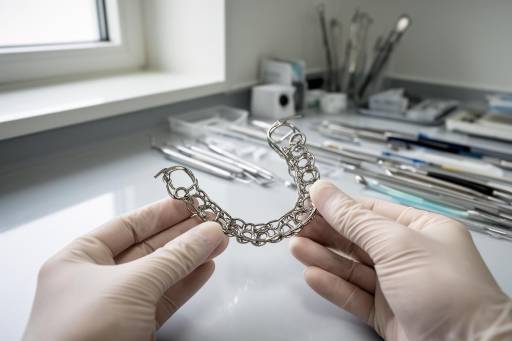
In contrast, NHS dentures usually use more standardized acrylic resins and metal frameworks that meet cost-effectiveness and clinical adequacy standards. These materials are chosen to ensure durability and functionality while keeping costs manageable within the public healthcare system. The focus is on restoring basic oral function and appearance rather than extensive customization.
The NHS aims to provide dentures that restore basic function and appearance at an affordable price for the general population. This means the materials chosen must balance durability and cost, often limiting choices to those that are proven and economical. While effective, these materials may not offer the same level of comfort or aesthetic refinement as those available through private care.
Private dental practices, however, can offer newer or premium materials that offer enhanced aesthetics, such as more natural-looking teeth and gum colors, or materials that improve comfort and reduce allergic reactions. Because private treatments are paid for directly by the patient or through private insurance, there is more scope for customization based on individual preferences and budgets. This flexibility allows patients to prioritize factors such as appearance, comfort, and longevity when selecting their dentures.
Advantages of Custom Material Selection for Private Dentures
Choosing private dentures offers the significant advantage of selecting from a wide range of materials that can greatly influence the comfort, durability, and natural appearance of your dentures. For instance, flexible denture bases made from advanced polymers can adapt more effectively to the movements of your gums, which enhances comfort during daily activities such as eating and speaking. This flexibility can reduce sore spots and improve the overall wearing experience compared to more rigid materials commonly used in standard dentures.
Custom materials also provide notable aesthetic benefits. Private dentures can be crafted with tooth shapes and colors that closely replicate natural teeth, and gum shading can be customized to match your unique oral tissue tone. This attention to detail not only improves the visual appeal of your smile but can also have a positive impact on your self-confidence and social interactions.
Durability is another key advantage of selecting custom materials. Higher-quality materials used in private dentures tend to resist wear, staining, and breakage more effectively, potentially extending the functional lifespan of your dentures. Additionally, some materials are lighter or thinner, which reduces bulkiness and can improve speech clarity and comfort, making it easier to adapt to your new dentures.
Overall, the ability to choose materials in private denture care allows for a more personalized approach. You and your dentist can collaborate to select materials that best suit your oral health needs, lifestyle, and aesthetic preferences. This tailored approach can lead to better long-term outcomes, greater satisfaction, and an improved quality of life for denture wearers.
Cost and Accessibility: Why Material Choices Differ
Cost structures and healthcare policies are major reasons why NHS and private denture materials differ. The NHS operates under strict budget constraints, so the materials used must be affordable and widely available. This means NHS dentures typically use cost-effective materials that meet minimum clinical standards, ensuring that dentures can be provided to a large number of patients without compromising basic function.
Conversely, private dental care is funded by patients themselves or through private insurance, which allows for a wider range of materials that may be more expensive but offer enhanced features such as improved aesthetics, comfort, and durability. This freedom to select materials reflects the private market's ability to meet individual preferences and demands, often resulting in dentures that better suit the patient’s lifestyle and expectations.
Accessibility to certain materials might also be limited in NHS services due to procurement policies and supply chains that prioritize affordability and consistency. Private practices can source advanced materials more readily, enabling more options for customization and innovation. However, this can also mean that private dentures come with a higher price tag, reflecting the costs of premium materials and the additional time and expertise involved in creating customized prosthetics.
While private dentures generally cost more, this price reflects the customization, material quality, and potentially better fit and aesthetics you receive. NHS dentures provide an effective, essential service focused on restoring function without extensive customization. Patients should weigh these differences carefully, considering their oral health needs, budget, and desired outcomes when choosing between NHS and private denture options.
How to Decide Between NHS and Private Dentures Based on Material Needs
When deciding whether to choose NHS or private dentures, it is important to carefully consider your personal needs for comfort, aesthetics, and durability. If you prioritize a natural look that closely resembles your original teeth, a comfortable fit that minimizes irritation, or materials that may last longer and require fewer repairs, private dentures with a wider range of material options could be a better fit for you.
Your budget and healthcare coverage also play a significant role in this decision. NHS dentures are typically more affordable and provide a basic level of function and appearance, but they come with limited material choices and less opportunity for customization. Private dentures, on the other hand, offer greater freedom to select from advanced materials and styles that can improve the look and feel of your dentures, but this comes at a higher financial cost.
Consulting with your dentist is a crucial step in making an informed choice. Your dentist can assess your oral health status, discuss your lifestyle and preferences, and explain the benefits and limitations of the materials available in both NHS and private settings. This guidance can help you weigh factors such as the expected lifespan of the dentures, potential maintenance needs, and how the dentures will impact your daily activities.
Ultimately, the choice depends on balancing your aesthetic and functional expectations with your financial situation and access to dental services. Understanding these considerations can help you select the option that best aligns with your needs and ensures the most satisfactory outcome for your denture experience.
Future Trends in Denture Materials and Customization
Advancements in dental materials and digital technology are significantly expanding the options available for private dentures, offering patients more personalized and effective solutions than ever before. Newer biocompatible polymers, which are designed to be more compatible with the tissues in the mouth, reduce the risk of allergic reactions and improve overall comfort. Additionally, innovations such as 3D printing and computer-aided design (CAD) and manufacturing (CAM) enable dental professionals to create dentures with a higher degree of precision, resulting in better fitting prosthetics that closely match the unique contours of a patient’s mouth.
These technological innovations not only allow for quicker production times but also enable a level of customization that was previously difficult to achieve. Dentures can now be tailored to individual patient needs, including adjustments to fit, bite alignment, and aesthetic preferences, which significantly enhance patient comfort and satisfaction. Materials that mimic the natural appearance of gum tissue and teeth, including variations in color, translucency, and texture, are becoming increasingly popular among private denture patients who seek a more natural look.
As these technologies become more accessible and affordable, patients opting for private dentures can expect an even wider variety of material choices and customization possibilities in the near future. While some of these advancements may eventually be adopted by NHS services, the pace of integration is generally slower due to budgetary and policy constraints. Therefore, immediate access to cutting-edge materials and techniques remains a distinguishing feature of private dental care.
Staying informed about these emerging trends can empower patients to have more meaningful discussions with their dentists about future denture options. This knowledge can help patients make well-informed decisions about when it might be beneficial to upgrade or customize their dentures through private care, balancing factors such as comfort, aesthetics, durability, and cost.
Frequently Asked Questions
Q: What are the main differences in materials used for NHS and private dentures?
Restore Your Smile With Dentures or Full-Mouth Prosthetics
Answer a few short questions and HealthNode will help you connect with the right prosthodontic or restorative dental specialist.
Comfort, Function, and Appearance
This helps us understand whether you may need new dentures, denture adjustment, implant-supported dentures, or full-mouth prosthetics.
Dental History and Treatment Planning
A few details help the specialist understand whether you may need extractions, denture relining, implants, or full-mouth reconstruction.
Health and Prosthetic Factors
These details help the specialist understand any factors that may affect healing, denture fit, or implant-supported options.
Contact information
Your information is only used to contact you and is never shared with third parties.
Your request has been received!
Thank you. If you have dental X-rays, panoramic X-ray, CBCT scan, previous denture records, implant records, extraction notes, gum treatment records, or photos of your current dentures, please keep them ready. A HealthNode consultant will guide you through the next step.
A: NHS dentures often use standard, cost-effective materials, while private dentures can offer a broader selection of high-quality, customized materials.
Q: Are private dentures significantly more expensive than NHS dentures?
A: Yes, private dentures generally cost more due to the wider range of materials and customization options available.
Q: Can I choose the material for my private dentures?
A: Yes, patients can select from various materials based on their preferences for aesthetics, durability, and comfort, often in consultation with their dentist.
Q: Do material choices affect the lifespan of dentures?
A: Yes, different materials have varying levels of durability and longevity, which can influence how long your dentures last.
Q: Are there any risks associated with different denture materials?
A: Most materials used are safe and biocompatible, but it’s important to discuss any allergies or sensitivities with your dentist.
Q: How can I find out which material is best for me?
A: Consult with a qualified dental professional who can assess your needs and recommend the most suitable material options.
The information provided is for educational purposes only and does not constitute medical advice. Always consult with a healthcare professional for medical guidance specific to your situation.