Does Oral Hygiene Affect Full-Mouth Rehabilitation Results?
Explore how oral hygiene impacts full-mouth rehabilitation success and learn essential care practices to optimize your dental treatment outcomes.
Understand expected results, possible complications, recovery, oral hygiene, prosthetic maintenance, and long-term care after full-mouth rehabilitation.

Explore how oral hygiene impacts full-mouth rehabilitation success and learn essential care practices to optimize your dental treatment outcomes.
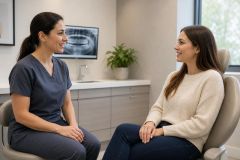
Explore how full-mouth rehabilitation can restore normal chewing function and improve oral health, aesthetics, and quality of life.

Explore how full-mouth rehabilitation achieves natural-looking dental restorations with advanced materials and techniques for lifelike smiles.
Get a free consultation and talk through symptoms, treatment options, and possible care paths with our coordination team.
Get Free Consultation
Discover typical timelines to see final results after medical treatments abroad, including cosmetic procedures and dental care. Learn what affects recovery.

Explore how smoking affects full-mouth rehabilitation results, including risks to healing and implant success, plus strategies to improve outcomes.
Full-mouth rehabilitation can improve chewing, speech, dental comfort, smile appearance, facial support, and confidence. The final result depends on diagnosis, treatment planning, gum health, implant stability, bite design, materials, and patient maintenance.
Patients may need time to adapt to changes in tooth shape, bite height, speech, and chewing. Temporary restorations can help identify problems before the final teeth are completed.
Possible risks include:
Patients with teeth grinding may face a higher risk of restoration damage. A protective nightguard may be recommended.
Implant-supported restorations require careful cleaning around and beneath the prosthesis. Fixed full-arch bridges may require floss threaders, interdental brushes, water flossers, or implant-specific tools.
Removable dentures should be cleaned daily and checked regularly for fit. As the jaw changes, relining, adjustment, or replacement may be necessary.
Crowns and bridges do not protect the underlying teeth from future decay or gum disease. Daily brushing, interdental cleaning, and professional examinations remain essential.
Patients should seek dental care if they notice persistent pain, swelling, bleeding, a loose restoration, sudden bite changes, implant movement, fractured teeth, or difficulty chewing.
Before returning home, international patients should receive:
Full-mouth rehabilitation is a long-term treatment process rather than a one-time procedure. Crowns, bridges, dentures, and implant components may require repair, adjustment, or replacement over time.
The most predictable results are achieved when treatment is conservative, the bite is carefully planned, oral hygiene is maintained, and follow-up care continues after the patient returns home.