Quick Answer
Good candidates for full-mouth rehabilitation are patients with extensive dental issues such as severe tooth decay, worn or missing teeth, gum disease, or bite problems who are in generally good health to support healing and follow treatment plans.
- Full-mouth rehabilitation addresses multiple dental problems simultaneously, restoring oral function and aesthetics comprehensively.
- Candidates must have sufficient oral health, including healthy gums and jawbone, to support procedures like dental implants.
- Overall health is important; chronic conditions may affect healing and candidacy for treatment.
- The treatment involves various procedures such as crowns, bridges, implants, veneers, orthodontics, and gum therapy tailored to individual needs.
- Preparation includes thorough consultation, diagnostic imaging, and selecting experienced dental specialists.
- Risks include infection, bleeding, and healing complications, and treatment may require multiple visits over several months.
- Alternatives to full-mouth rehabilitation include partial restorations, dentures, or less extensive treatments depending on the patient's condition.
Who Is a Good Candidate for Full-Mouth Rehabilitation?
Full-mouth rehabilitation is a comprehensive dental treatment designed for patients who have extensive dental issues affecting most or all of their teeth. Good candidates typically present with significant oral health problems such as severe tooth decay, worn or damaged teeth due to grinding or trauma, advanced gum disease, or bite problems that impair oral function and aesthetics. This treatment aims to restore dental health, improve chewing and speaking abilities, and enhance appearance through a combination of restorative and cosmetic procedures tailored to each patient’s unique needs and goals.
Deciding whether you are a good candidate involves understanding the scope of full-mouth rehabilitation and evaluating your oral and overall health status. Many people facing complex dental challenges find this approach beneficial because it addresses multiple concerns simultaneously rather than treating each tooth or issue separately. This holistic approach can lead to more predictable and lasting results compared to piecemeal treatments.
If you have struggled with ongoing dental problems, chronic discomfort, or dissatisfaction with your smile, or if you want to improve your oral function and appearance comprehensively, learning about candidacy criteria and preparation steps can help you make an informed choice. It is important to have realistic expectations and to work closely with your dental team to develop a personalized treatment plan that aligns with your health, lifestyle, and budget. Full-mouth rehabilitation is a significant investment in your oral health and overall well-being, but for many patients, it offers transformative benefits.
Restore Your Smile, Bite, and Chewing Function
Answer a few short questions and HealthNode will help you connect with the right prosthodontic, restorative, or full-mouth rehabilitation specialist.
Function, Comfort, and Appearance
This helps us understand whether your main need is chewing function, bite correction, smile restoration, or replacement of existing dental work.
Previous Dental Work and Treatment Options
A few details help the specialist understand whether crowns, bridges, implants, veneers, dentures, or a combined plan may be needed.
Dental Health and Planning Factors
These details help the specialist understand whether any gum, bone, bite, or healing factors may affect your treatment plan.
Contact information
Your information is only used to contact you and is never shared with third parties.
Your request has been received!
Thank you. If you have dental X-rays, panoramic X-ray, CBCT scan, intraoral scan, photos, previous crown, bridge, implant, denture, veneer, root canal, or treatment plan records, please keep them ready. A HealthNode consultant will guide you through the next step.
Full-Mouth Rehabilitation: A Detailed Introduction
Full-mouth rehabilitation, also known as full-mouth restoration, is a comprehensive dental treatment approach that involves rebuilding or restoring all teeth in both the upper and lower jaws. It is a multidisciplinary process that combines various dental procedures such as crowns, bridges, dental implants, veneers, orthodontics, and gum treatments to address complex oral health issues. The primary goal is to restore oral function, relieve pain, and improve aesthetics for patients who have extensive dental damage, tooth loss, or other significant problems.
Patients who undergo full-mouth rehabilitation often require treatment for multiple dental conditions simultaneously. These can include severe tooth decay, fractured or worn-down teeth due to bruxism or trauma, missing teeth, gum disease, or bite misalignment that affects chewing and jaw comfort. The process typically begins with a thorough evaluation, including imaging and diagnostic tests, to develop a comprehensive treatment plan tailored to the patient’s unique needs and health status.
This approach differs from single-tooth restorations by focusing on the health and function of the entire mouth rather than isolated problems. It can dramatically improve chewing ability, speech, facial structure, and self-confidence. Because it involves multiple procedures and specialties, full-mouth rehabilitation often requires coordination among dental specialists such as prosthodontists, periodontists, oral surgeons, and orthodontists to achieve the best functional and aesthetic outcomes. The treatment plan is carefully sequenced to ensure optimal healing and integration of all components.
Medical and Dental Criteria for Candidates
Candidates for full-mouth rehabilitation must meet specific dental and medical criteria to ensure the treatment is safe, effective, and likely to succeed. A detailed oral health assessment is essential to identify the extent of dental damage, the presence and severity of gum disease, tooth decay, and the condition of the jawbone. Patients with healthy enough gums and sufficient jawbone tissue are better suited for procedures such as dental implants and extensive restorations, which require stable support structures.
Overall health also plays a critical role in candidacy. Chronic medical conditions such as uncontrolled diabetes, severe cardiovascular disease, immune system disorders, or bleeding disorders may affect healing capacity and increase the risk of complications during or after treatment. Your dental team will carefully evaluate your medical history and may request additional medical clearance or coordination with your physician to ensure you are a suitable candidate.
Ideal candidates typically present with multiple dental issues such as worn, fractured, or missing teeth, bite problems causing discomfort or dysfunction, or aesthetic concerns that negatively impact their quality of life. Patients who have struggled with repeated dental failures, ongoing pain, or piecemeal treatments may benefit most from a comprehensive, coordinated approach. Commitment to maintaining excellent oral hygiene and adhering to follow-up care recommendations is also vital to preserve the results long term and avoid future complications.
Benefits of Full-Mouth Rehabilitation for Suitable Patients
Full-mouth rehabilitation offers numerous benefits for patients who qualify, significantly enhancing oral health, function, and appearance in a comprehensive manner. One of the most important advantages is the restoration of chewing ability and bite function, which can have a positive impact on overall nutrition and digestion by allowing patients to eat a wider variety of foods comfortably and efficiently. Many patients also experience relief from chronic jaw pain, headaches, or discomfort caused by bite misalignment, worn teeth, or temporomandibular joint (TMJ) disorders, improving their daily quality of life.
Aesthetic improvements are also substantial with full-mouth rehabilitation. Rebuilding damaged, worn, or missing teeth can restore a natural, attractive smile, which often boosts confidence and social interactions. This can be especially meaningful for patients who have felt self-conscious about their dental appearance for years. Because this treatment addresses underlying dental issues comprehensively, it reduces the risk of future problems such as further tooth decay, gum disease, or bite deterioration, potentially decreasing the need for repeated dental visits and emergency treatments.
Full-mouth rehabilitation can also improve speech clarity by restoring proper tooth alignment and structure, which is essential for pronunciation and communication. It helps protect remaining natural teeth by evenly distributing bite forces, preventing excessive wear or damage to individual teeth. By restoring proper tooth alignment and supporting facial structures, this treatment helps maintain facial contours and prevents premature aging effects caused by tooth loss or deterioration, such as sunken cheeks or wrinkling around the mouth. Overall, suitable patients gain not only a healthier mouth but also an enhanced quality of life through this tailored, multidisciplinary treatment approach.
Preparing for Your Full-Mouth Rehabilitation Journey
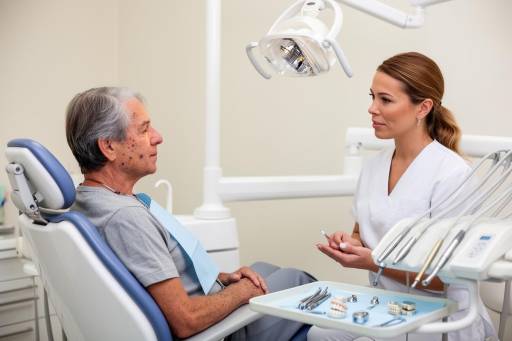
Preparation for full-mouth rehabilitation begins with a thorough consultation with a qualified dental specialist who will evaluate your oral and overall health in detail. This evaluation often includes diagnostic imaging such as X-rays, panoramic scans, or advanced 3D imaging to assess bone density, tooth structure, and the condition of surrounding tissues. During this phase, your dentist will discuss your personal goals, treatment options, potential risks, and expected outcomes to create a customized plan that suits your needs.
Selecting the right clinic and dental team is an important step, especially if you are considering treatment abroad for reasons such as cost savings or access to specialized care. It is advisable to choose accredited facilities with experienced specialists who offer comprehensive care and maintain clear communication throughout the process. Ensure the clinic provides detailed pre-treatment instructions, transparent information about the entire treatment timeline, costs, and recovery expectations.
Patients should also prepare for multiple visits and a possible phased treatment schedule, which may span several months depending on the complexity of their case and the types of procedures involved. Maintaining excellent oral hygiene and following all medical advice before starting treatment helps optimize healing and increases the likelihood of successful outcomes. Emotional readiness and realistic expectations are crucial since full-mouth rehabilitation is a significant investment in both time and health. Being mentally prepared for the commitment and understanding the importance of follow-up care and lifestyle adjustments will contribute to long-term success.
Restore Your Smile, Bite, and Chewing Function
Answer a few short questions and HealthNode will help you connect with the right prosthodontic, restorative, or full-mouth rehabilitation specialist.
Function, Comfort, and Appearance
This helps us understand whether your main need is chewing function, bite correction, smile restoration, or replacement of existing dental work.
Previous Dental Work and Treatment Options
A few details help the specialist understand whether crowns, bridges, implants, veneers, dentures, or a combined plan may be needed.
Dental Health and Planning Factors
These details help the specialist understand whether any gum, bone, bite, or healing factors may affect your treatment plan.
Contact information
Your information is only used to contact you and is never shared with third parties.
Your request has been received!
Thank you. If you have dental X-rays, panoramic X-ray, CBCT scan, intraoral scan, photos, previous crown, bridge, implant, denture, veneer, root canal, or treatment plan records, please keep them ready. A HealthNode consultant will guide you through the next step.
Risks, Limitations, and Alternatives
While full-mouth rehabilitation offers many benefits, it also carries potential risks and limitations that patients should carefully consider before proceeding. Like any major dental procedure, there is a risk of infection, bleeding, and complications related to anesthesia, whether local or general. These risks can be minimized with proper surgical technique and post-operative care, but patients should be aware that healing times can vary significantly depending on individual health factors and the extent of the treatment. Some patients may experience discomfort, swelling, or sensitivity during the recovery period, which can last from several days to weeks. It is important to follow your dentist’s instructions closely to promote healing and reduce complications.
Treatment limitations often depend on individual health factors such as the amount of bone loss in the jaw, gum health, or systemic medical conditions like diabetes or osteoporosis that may restrict certain procedures, including dental implants. In some cases, additional preparatory procedures such as bone grafting or periodontal therapy may be required before rehabilitation can proceed. Additionally, the process can be costly and time-consuming, often requiring multiple appointments over several months or even longer. This demands a strong commitment to follow-up care and maintenance to ensure long-term success.
Alternatives to full-mouth rehabilitation may include more conservative treatments such as partial restorations, removable dentures, or limited dental implants. These options might be more appropriate for patients with fewer teeth affected or those who prefer less extensive intervention due to financial, medical, or personal reasons. Each alternative has its own set of benefits and drawbacks regarding function, aesthetics, stability, and longevity. Discussing all options thoroughly with your dental team can help you weigh the risks, benefits, and costs to choose the safest and most effective treatment plan tailored to your individual situation.
Frequently Asked Questions
Q: Who qualifies as a good candidate for full-mouth rehabilitation?
A: Good candidates typically have multiple dental issues like severe decay, worn or missing teeth, gum disease, or bite problems. They should be in generally good health to support healing and follow treatment plans. A comprehensive dental and medical evaluation helps determine candidacy.
Q: What procedures are involved in full-mouth rehabilitation?
A: This treatment may include crowns, bridges, dental implants, veneers, orthodontics, and gum therapy. The exact combination depends on your specific dental needs and goals. It is a coordinated approach to restore function and improve aesthetics comprehensively.
Q: How should I prepare for full-mouth rehabilitation?
A: Start with a thorough consultation and oral health assessment. Choose a reputable clinic with experienced specialists and clear communication. Maintain good oral hygiene and follow your dentist's instructions closely before and after treatment.
Q: What are the risks and alternatives to full-mouth rehabilitation?
A: Risks include infection, discomfort, and healing complications. Not everyone is suitable for all procedures, especially implants. Alternatives include partial restorations, dentures, or less extensive treatments depending on your dental condition.
The information provided is for educational purposes only and does not constitute medical advice. Always consult with a healthcare professional for medical guidance specific to your situation.