Quick Answer
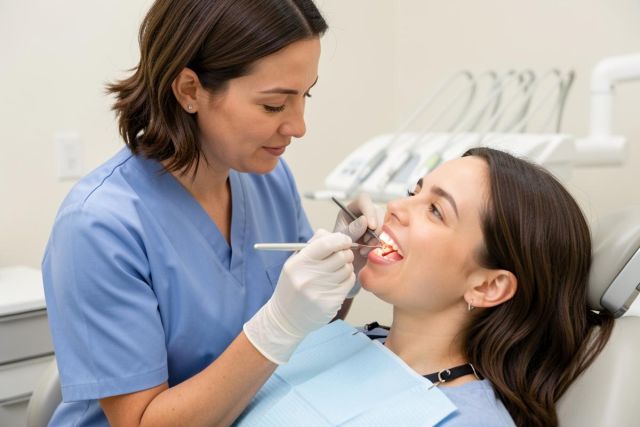
Gingivitis treatment primarily involves professional dental cleaning and improved oral hygiene to reverse mild gum inflammation, while periodontitis treatment requires more intensive procedures like deep cleaning or surgery due to bone and tissue damage. Early detection and intervention are crucial to prevent progression from gingivitis to periodontitis and preserve oral health.
- Gingivitis is an early, reversible stage of gum disease characterized by gum redness, swelling, and bleeding without bone damage.
- Periodontitis is a more advanced gum disease involving bone and connective tissue destruction, leading to gum recession and potential tooth loss.
- Diagnosis involves visual examination, measuring gum pocket depths, and dental history review, with X-rays used to assess bone loss in periodontitis.
- Gingivitis treatment focuses on plaque and tartar removal through professional cleaning and improved home oral hygiene.
- Periodontitis treatment may include scaling and root planing, flap surgery, or bone grafts depending on severity.
- Preventive measures include regular brushing, flossing, dental visits, avoiding tobacco, and maintaining a balanced diet.
- Untreated gum disease can lead to irreversible damage, tooth loss, and is linked to systemic health issues like cardiovascular disease and diabetes complications.
How Does Gingivitis Treatment Differ from Periodontitis Treatment?
Gingivitis and periodontitis represent two stages of gum disease that require different treatment approaches based on their severity and progression. Gingivitis is the early, mild form of gum inflammation that can often be reversed with professional dental cleaning and improved oral hygiene. It typically presents with symptoms such as gum redness, swelling, and bleeding during brushing or flossing, but it does not involve damage to the bone or connective tissue.
Periodontitis is a more advanced condition where the inflammation affects the bone and tissues supporting the teeth, requiring more intensive treatments such as deep cleaning or surgery to manage. This stage involves the formation of pockets between the teeth and gums, gum recession, and potential tooth mobility or loss if left untreated. The progression from gingivitis to periodontitis underscores the importance of early detection and intervention.
Understanding these differences is essential for maintaining good oral health and preventing complications. Both conditions arise primarily due to plaque buildup, but periodontitis involves tissue destruction and can lead to tooth loss if left untreated. Recognizing symptoms early and seeking timely care can make a significant difference in treatment success and long-term oral health.
Get Support for Bleeding Gums and Gum Disease
Answer a few short questions and HealthNode will help you connect with the right dentist or gum disease specialist.
Symptoms and Severity
This helps us understand whether you may need routine cleaning, deep cleaning, periodontal care, or urgent dental review.
Previous Dental Care and Risk Factors
A few details help the specialist understand whether you may need deep cleaning, gum surgery, implant care, or ongoing periodontal maintenance.
Final Details
Share anything important so the dentist or periodontist can better understand your case.
Contact information
Your information is only used to contact you and is never shared with third parties.
Your request has been received!
Thank you. If you have dental X-rays, periodontal charting, gum pocket measurements, previous deep cleaning records, gum surgery records, implant records, or medication history, please keep them ready. A HealthNode consultant will guide you through the next step.
For international patients considering dental care, knowing how these conditions are diagnosed and treated can help you make informed decisions about your oral health management. Discussing your personal symptoms, risk factors, and treatment options with a qualified dental professional is the best way to ensure appropriate care tailored to your individual needs and circumstances.
Gingivitis vs. Periodontitis: Key Differences and Impact on Oral Health
Gingivitis and periodontitis are both forms of gum disease but differ significantly in their severity and impact on oral health. Gingivitis is the initial stage characterized by redness, swelling, and bleeding of the gums. It occurs mainly due to plaque accumulation on the tooth surfaces and is often painless, which means many people may not notice symptoms early on. Because gingivitis affects only the gum tissue without damaging the bone or connective tissue, it is generally reversible with proper care.
If gingivitis is not addressed, it can progress to periodontitis, a more serious condition where the infection spreads to the supporting bone and connective tissues around the teeth. This causes pockets to form between the gums and teeth, leading to gum recession and potential tooth loss. Unlike gingivitis, periodontitis results in irreversible damage to the structures that hold teeth in place, making treatment more complex.
The causes of both conditions include poor oral hygiene, smoking, certain medications that affect gum health, and systemic health issues such as diabetes, which can impair the body's ability to fight infection. Symptoms of periodontitis are more pronounced and can include persistent bad breath, loose teeth, gum pain, and visible gum recession. Early recognition and treatment of gingivitis can prevent progression to periodontitis and preserve your oral health, highlighting the importance of regular dental care and good oral hygiene habits.
Diagnosis and When to Seek Dental Care
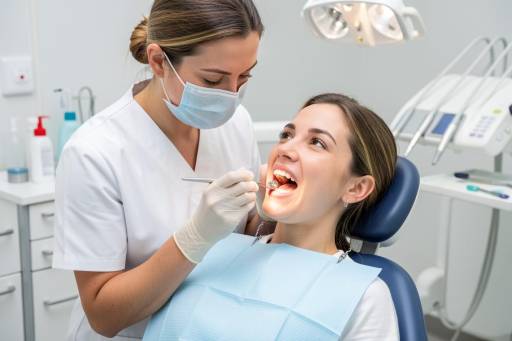
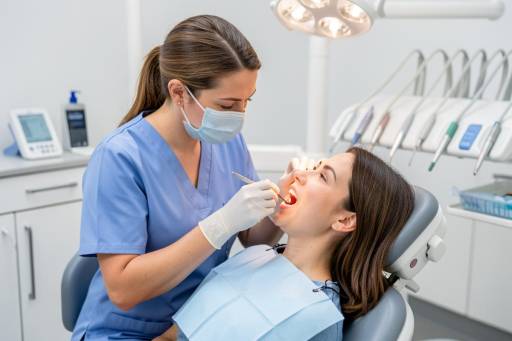
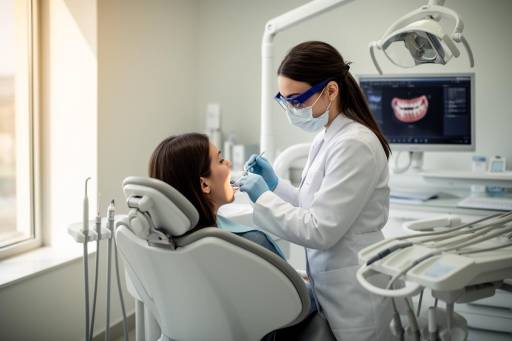
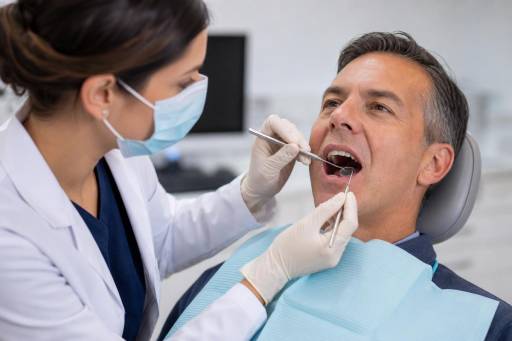
Dental professionals diagnose gingivitis and periodontitis through a combination of visual examination, measuring gum pocket depths, and reviewing your dental history. During a gum health check, your dentist or hygienist will carefully inspect your gums for signs such as redness, swelling, bleeding, and the formation of pockets around teeth where the gums have detached. These pockets can harbor bacteria and indicate the severity of gum disease.
If you notice persistent gum bleeding during brushing or flossing, gum tenderness, swelling, or gum recession, it is important to seek dental care promptly. Early diagnosis is crucial because gingivitis often presents with minimal discomfort, so patients may not realize they have a problem until it has progressed. Timely evaluation allows for less invasive treatment options and better long-term outcomes.
Regular dental check-ups are essential for identifying gum disease before it advances, especially since early stages may not cause obvious symptoms. Your dentist may also use dental X-rays to assess bone loss in cases suspected of periodontitis, as bone deterioration is a key indicator of disease progression. Based on these findings, your dental provider can recommend an appropriate treatment plan to manage the condition effectively and prevent further damage to your teeth and gums.
Treatment Approaches for Gingivitis and Periodontitis
Treatment for gingivitis focuses on thoroughly removing plaque and tartar buildup through professional dental cleaning and reinforcing good home oral hygiene practices. This typically involves scaling, where dental instruments are used to remove plaque and tartar from above and below the gum line, followed by polishing to smooth tooth surfaces. Smoother surfaces make it harder for plaque to accumulate again, helping to reduce inflammation and promote gum healing.
Periodontitis treatment is more complex and may include scaling and root planing, a deep cleaning procedure that cleans below the gum line to remove bacteria and smooth the roots of the teeth. This helps the gums reattach to the teeth and reduces pocket depth. In more severe cases, surgical interventions such as flap surgery may be necessary to access and clean deeper pockets, or bone grafts may be used to restore bone lost due to infection.
Home care is critical in managing both conditions. Brushing twice daily with fluoride toothpaste, flossing daily, and using antiseptic mouth rinses can support professional treatments by controlling plaque and reducing bacterial load. Your dental provider will tailor a treatment plan based on the severity of your gum disease, your overall oral health, and any underlying health conditions. Following their recommendations closely and maintaining regular follow-up visits are essential to achieving the best possible outcomes and preventing recurrence.
Preventive Measures and Maintaining Gum Health
Preventing gum disease involves consistent and effective oral hygiene practices combined with healthy lifestyle choices that support overall gum health. Brushing your teeth at least twice daily with a fluoride toothpaste and flossing once daily are essential habits that help remove plaque before it hardens into tartar, which is more difficult to remove and can irritate the gums. Using proper brushing techniques and tools, such as a soft-bristled toothbrush or an electric toothbrush, can enhance plaque removal and protect your gums.
Regular dental visits for professional cleanings and exams are crucial, as they enable early detection and management of any gum issues before they progress. Your dental professional can remove tartar buildup that you cannot eliminate at home and provide personalized advice tailored to your oral health needs. Avoiding tobacco use is particularly important since smoking significantly increases the risk of gum disease by impairing blood flow to the gums and weakening your immune response.
Maintaining a balanced diet rich in vitamins and minerals, especially vitamin C and calcium, supports gum tissue health and repair. Managing systemic conditions like diabetes is also critical, as uncontrolled blood sugar levels can increase susceptibility to infections, including gum disease. Staying hydrated helps maintain saliva flow, which naturally protects your teeth and gums, and minimizing sugary foods reduces the substrate for harmful bacteria that cause plaque buildup. Together, these preventive measures create a comprehensive approach to maintaining healthy gums and preventing the onset or progression of gum disease.
Risks of Untreated Gum Disease and Long-term Implications
If gum disease remains untreated, it can lead to serious complications affecting not only oral health but also overall well-being. Untreated gingivitis can progress to periodontitis, resulting in irreversible damage to the bone and connective tissue supporting your teeth. This damage compromises the stability of your teeth, leading to gum recession, increased tooth mobility, and eventual tooth loss if left unmanaged. The progression from gingivitis to periodontitis is often gradual, but once the supporting structures are affected, the damage is typically permanent and more difficult to treat.
In addition, periodontitis has been linked to systemic health issues beyond the mouth. Research suggests associations between advanced gum disease and cardiovascular disease, as the chronic inflammation and bacteria may contribute to heart problems. Similarly, people with diabetes may experience worsened blood sugar control when periodontitis is present, creating a cycle that complicates management of both conditions. Respiratory problems, such as pneumonia, have also been linked to oral infections, especially in vulnerable populations.
Early intervention is vital to prevent these outcomes. By maintaining regular dental care appointments and following prescribed treatments, you can effectively manage gum disease and reduce the risk of these long-term health consequences. It is important to recognize that while treatment can control infection and inflammation, prevention and early detection remain the best strategies to avoid irreversible damage and systemic complications associated with advanced periodontal infection.
Frequently Asked Questions
Q: Can gingivitis turn into periodontitis?
Get Support for Bleeding Gums and Gum Disease
Answer a few short questions and HealthNode will help you connect with the right dentist or gum disease specialist.
Symptoms and Severity
This helps us understand whether you may need routine cleaning, deep cleaning, periodontal care, or urgent dental review.
Previous Dental Care and Risk Factors
A few details help the specialist understand whether you may need deep cleaning, gum surgery, implant care, or ongoing periodontal maintenance.
Final Details
Share anything important so the dentist or periodontist can better understand your case.
Contact information
Your information is only used to contact you and is never shared with third parties.
Your request has been received!
Thank you. If you have dental X-rays, periodontal charting, gum pocket measurements, previous deep cleaning records, gum surgery records, implant records, or medication history, please keep them ready. A HealthNode consultant will guide you through the next step.
A: Yes, if gingivitis is not treated, it can progress to periodontitis, which is a more severe form of gum disease affecting the bone and tissues around the teeth.
Q: Are treatments for gingivitis and periodontitis covered by insurance?
A: Insurance coverage varies depending on your plan and the specific treatments needed. It's best to check with your insurance provider to understand your coverage options.
Q: Is it possible to treat periodontitis without surgery?
A: Mild to moderate periodontitis can often be managed with non-surgical treatments like deep cleaning (scaling and root planing). However, advanced cases may require surgical procedures for effective management.
Q: How long does it take to see improvement after treatment?
A: Many patients notice improvement within a few weeks after professional treatment, but ongoing good oral hygiene is essential to maintain gum health and prevent recurrence.
Q: Can lifestyle changes help improve gum health?
A: Yes, quitting smoking, eating a balanced diet, and managing health conditions like diabetes can significantly improve gum health and support treatment outcomes.
The information provided is for educational purposes only and does not constitute medical advice. Always consult with a healthcare professional for medical guidance specific to your situation.