Quick Answer
Smoking negatively impacts gum disease treatment by impairing gum tissue healing, reducing treatment effectiveness, and increasing the risk of disease progression and recurrence. Dental care providers must consider smoking status to tailor treatment plans and improve outcomes.
- Smoking damages gum tissue cells and reduces blood flow, limiting oxygen and nutrient delivery essential for healthy gums.
- Tobacco smoke weakens the immune response, allowing harmful bacteria to thrive and worsen gum disease.
- Smoking slows healing after treatments like scaling and root planing, making gums less responsive and more prone to infection.
- Smoking can mask symptoms such as gum bleeding by constricting blood vessels, complicating disease monitoring.
- Maintaining rigorous oral hygiene, including brushing, flossing, and professional cleanings, is crucial for smokers with gum disease.
- Dental consultation is important for smokers to assess gum damage and create personalized treatment plans.
- Quitting smoking and adopting healthier lifestyle habits improve gum disease treatment success and support tissue repair.
How Does Smoking Affect Gum Disease Treatment Planning?
Smoking significantly affects gum disease treatment planning because it impairs gum tissue healing and reduces the effectiveness of therapies designed to control periodontal disease. When you smoke, the harmful chemicals in tobacco interfere with blood circulation in your gums, weaken your immune response, and encourage bacterial growth, making treatment outcomes less predictable and recovery slower.
Understanding the link between smoking and gum disease is crucial if you are seeking effective care. Gum disease, or periodontal disease, involves inflammation and damage to the tissues supporting your teeth. Smoking not only increases your risk of developing gum disease but also influences how your gums respond to treatment. This means your dental care provider will need to consider your smoking status carefully to tailor a treatment plan that addresses these challenges.
Knowing how smoking affects your oral health and treatment results empowers you to take proactive steps. This includes adopting rigorous oral hygiene practices, seeking professional dental consultation, and considering smoking cessation strategies to improve your chances of successful gum disease management. This article explores these aspects to help you make informed decisions about your oral health care.
Get Support for Bleeding Gums and Gum Disease
Answer a few short questions and HealthNode will help you connect with the right dentist or gum disease specialist.
Symptoms and Severity
This helps us understand whether you may need routine cleaning, deep cleaning, periodontal care, or urgent dental review.
Previous Dental Care and Risk Factors
A few details help the specialist understand whether you may need deep cleaning, gum surgery, implant care, or ongoing periodontal maintenance.
Final Details
Share anything important so the dentist or periodontist can better understand your case.
Contact information
Your information is only used to contact you and is never shared with third parties.
Your request has been received!
Thank you. If you have dental X-rays, periodontal charting, gum pocket measurements, previous deep cleaning records, gum surgery records, implant records, or medication history, please keep them ready. A HealthNode consultant will guide you through the next step.
The Link Between Smoking and Gum Disease: What You Need to Know
Smoking contributes to the development and progression of gum disease through several biological and environmental mechanisms. Tobacco smoke contains toxins that damage gum tissue cells and reduce blood flow, limiting the delivery of oxygen and essential nutrients needed for healthy gums. This environment favors the growth of harmful bacteria responsible for periodontal infections.
The immune system’s ability to fight infection also declines in smokers, so your body cannot effectively combat the bacterial buildup that causes gum inflammation and tissue destruction. As a result, smokers are more likely to experience deeper gum pockets, increased bone loss around teeth, and more severe gum disease compared to non-smokers.
Environmental factors related to smoking, such as reduced saliva production, further increase the risk by creating a dry mouth where bacteria thrive. The combination of these effects means that smoking not only initiates gum disease but also accelerates its severity, making prevention and early intervention critical for smokers.
How Smoking Affects Gum Disease Treatment Outcomes
Smoking impairs gum disease treatment outcomes primarily by slowing down the healing process and weakening the body’s response to therapy. When you undergo procedures like scaling and root planing or periodontal surgery, the success depends largely on how well your gums can recover and reattach to the teeth.
The chemicals in tobacco damage blood vessels in your gums, reducing circulation that is vital for healing. This makes your gum tissue less responsive to treatment and more prone to infection afterward. Studies show that smokers have a higher rate of treatment failure and gum disease recurrence compared to non-smokers.
In addition, smoking can mask symptoms such as gum bleeding because it causes blood vessels to constrict, giving a false impression of healthier gums. This complicates monitoring and may delay necessary adjustments in treatment plans. Overall, smoking introduces significant challenges that dental professionals must address to optimize treatment outcomes for affected patients.
Essential Oral Hygiene Tips for Smokers with Gum Disease
Maintaining excellent oral hygiene is crucial if you smoke and have gum disease. You can take several practical steps to support your gum health and improve treatment success.
Start by brushing your teeth at least twice daily with a soft-bristled toothbrush and fluoride toothpaste. Pay close attention to cleaning along the gumline where plaque accumulates. Floss daily to remove food particles and bacteria between teeth that brushing alone cannot reach.
Using an antiseptic mouth rinse can help reduce bacterial buildup and freshen breath. Regular professional dental cleanings are also important to remove hardened plaque (calculus) that contributes to gum inflammation.
Quitting smoking remains one of the most effective ways to improve your gum health and treatment results. If quitting is difficult, consider seeking support through smoking cessation programs or counseling. Combining good oral hygiene with smoking cessation gives you the best chance at preventing gum disease progression and promoting healing.
The Importance of Dental Consultation for Smokers
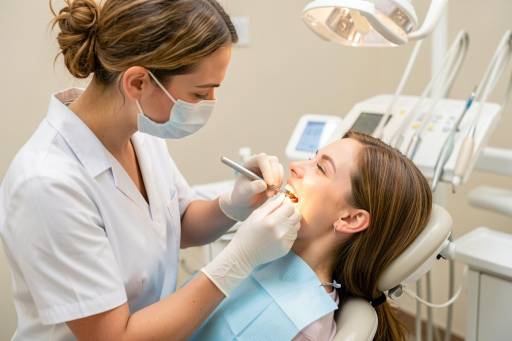
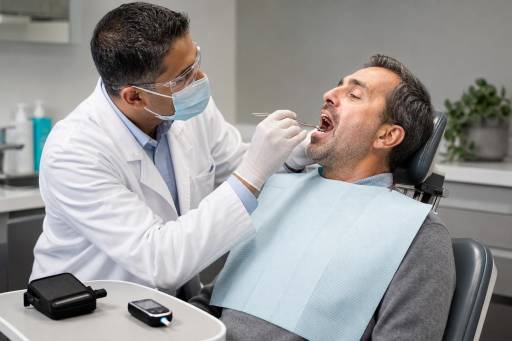
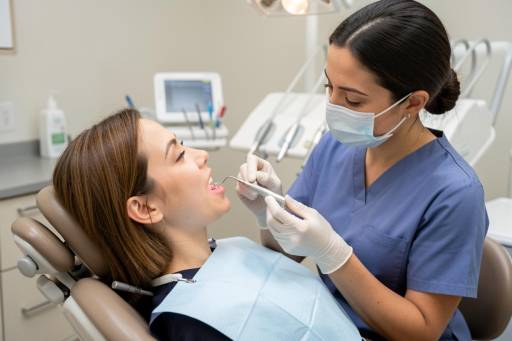
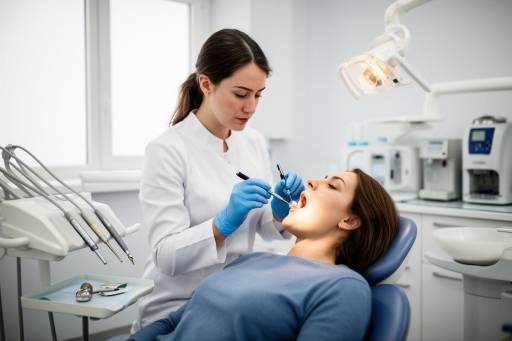
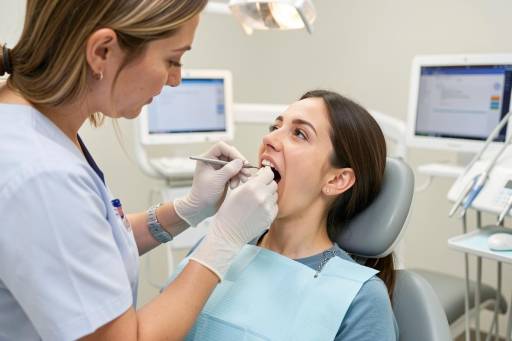
If you smoke and suspect you have gum disease, consulting a dental professional is essential. A thorough evaluation allows your dentist or periodontist to assess the extent of gum damage and design a personalized treatment plan that considers the challenges smoking presents.
During your consultation, your dental provider will review your medical and smoking history, perform detailed gum examinations, and may take X-rays to evaluate bone loss. This information helps them recommend appropriate interventions, from nonsurgical therapies to more advanced procedures if needed.
Your dentist can also provide guidance on oral hygiene techniques tailored to your needs and discuss smoking cessation resources to support your overall oral health. Regular dental visits enable close monitoring of your gum condition, timely adjustments in treatment, and improved chances of managing the disease effectively despite smoking-related risks.
Strategies to Improve Gum Disease Treatment Success for Smokers
Improving gum disease treatment outcomes for smokers involves a combination of clinical approaches and lifestyle changes. One of the most impactful steps you can take is to quit smoking. Doing so can enhance blood flow to your gums, boost your immune response, and support tissue repair.
Your dental professional may recommend additional therapies such as antimicrobial treatments or laser therapy to reduce bacterial infection and promote healing. These adjunctive options can be particularly beneficial when smoking makes conventional treatments less effective.
Adopting a healthier lifestyle that includes a balanced diet, adequate hydration, and stress management also supports gum health. Regular follow-up visits with your dental provider ensure your treatment plan remains effective and can be modified as needed.
Combining these strategies with rigorous oral hygiene and smoking cessation efforts gives you the best chance to control gum disease progression and maintain long-term oral health.
Frequently Asked Questions
Q: Can quitting smoking improve gum disease treatment outcomes?
A: Yes, quitting smoking can significantly enhance healing and improve the effectiveness of gum disease treatments by reducing inflammation and supporting tissue regeneration.
Get Support for Bleeding Gums and Gum Disease
Answer a few short questions and HealthNode will help you connect with the right dentist or gum disease specialist.
Symptoms and Severity
This helps us understand whether you may need routine cleaning, deep cleaning, periodontal care, or urgent dental review.
Previous Dental Care and Risk Factors
A few details help the specialist understand whether you may need deep cleaning, gum surgery, implant care, or ongoing periodontal maintenance.
Final Details
Share anything important so the dentist or periodontist can better understand your case.
Contact information
Your information is only used to contact you and is never shared with third parties.
Your request has been received!
Thank you. If you have dental X-rays, periodontal charting, gum pocket measurements, previous deep cleaning records, gum surgery records, implant records, or medication history, please keep them ready. A HealthNode consultant will guide you through the next step.
Q: How does smoking interfere with gum tissue healing?
A: Smoking impairs blood flow to the gums, decreases immune response, and delays tissue repair, making healing slower and less successful after treatment.
Q: Are there specific oral hygiene practices recommended for smokers?
A: Yes, smokers should maintain rigorous oral hygiene, including regular brushing, flossing, and professional cleanings, and consider using mouth rinses to reduce bacterial buildup.
Q: When should I see a dentist if I smoke and suspect gum disease?
A: It is advisable to see a dentist promptly if you notice symptoms like bleeding gums, bad breath, or gum recession, especially if you smoke, to receive early diagnosis and tailored treatment.
Q: Does smoking increase the risk of gum disease recurrence after treatment?
A: Yes, smoking is a significant risk factor for recurrence due to its negative effects on gum tissue health and immune response.
Q: Are there any additional therapies to support gum health for smokers?
A: Your dentist may recommend adjunctive therapies such as antimicrobial treatments, laser therapy, or smoking cessation programs to support healing and prevent recurrence.
The information provided is for educational purposes only and does not constitute medical advice. Always consult with a healthcare professional for medical guidance specific to your situation.