Quick Answer
Oral surgery performed in Turkey can be followed up by qualified dentists or surgeons in Canada if there is proper planning, clear communication, and comprehensive transfer of medical records to ensure continuity of care.
- Successful follow-up care depends on sharing detailed surgical reports, imaging, medication details, and post-operative instructions from the Turkish provider with the Canadian dentist.
- Canadian dentists and surgeons must comply with local regulations and may require additional information or tests before providing follow-up care.
- Insurance coverage for follow-up care after surgery abroad varies and patients should verify their policies to understand potential costs.
- Choosing a Canadian dental professional experienced with international patients and licensed by provincial regulatory bodies is important for effective post-operative care.
- Patients should schedule follow-up appointments soon after returning to Canada to establish a tailored care plan and monitor healing.
- Clear communication about symptoms, medications, and surgical history supports safe and coordinated care in Canada.
- Organizing and providing medical documents in English or French facilitates smooth communication and treatment by Canadian providers.
Can Oral Surgery in Turkey Be Followed Up by a Dentist or Surgeon in Canada?
Oral surgery performed in Turkey can indeed be followed up by dentists or surgeons in Canada, provided that you plan carefully and ensure continuity of care. Successful post-operative follow-up depends on clear communication, proper transfer of medical records, and selecting qualified Canadian dental professionals experienced in managing international patients.
If you are considering oral surgery abroad, understanding how to coordinate your aftercare in Canada is essential for a smooth recovery and to avoid complications. Patients often choose Turkey for oral surgery due to cost-effectiveness and quality care, but they must also prepare for ongoing monitoring and treatment once back home.
This guide helps you navigate the key steps and considerations for continuing your oral surgery care seamlessly from Turkey to Canada. It covers legal, medical, and practical aspects so you feel confident in managing your post-surgical health.
Get Support From an Oral and Maxillofacial Surgeon
Answer a few short questions and HealthNode will help you connect with the right oral and maxillofacial surgery specialist.
Symptoms and Urgency
This helps us understand whether you may need routine surgical planning or a higher-priority review.
Previous Tests or Surgical Planning
A few details help the surgeon understand what has already been checked and what type of surgical care may be needed.
Health and Surgery Factors
These details help the specialist understand any factors that may affect surgery, anesthesia, or healing.
Contact information
Your information is only used to contact you and is never shared with third parties.
Your request has been received!
Thank you. If you have dental X-rays, panoramic X-ray, CBCT or 3D scan, CT or MRI, referral notes, pathology reports, implant records, previous surgery records, or photos of swelling or injury, please keep them ready. A HealthNode consultant will guide you through the next step.
Ensuring Continuity of Oral Surgery Care Across Borders
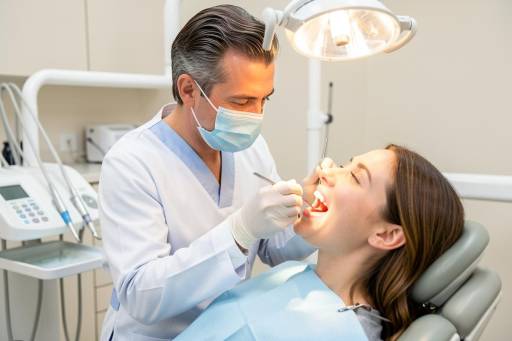
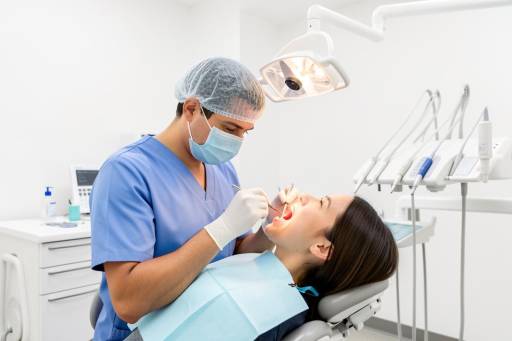
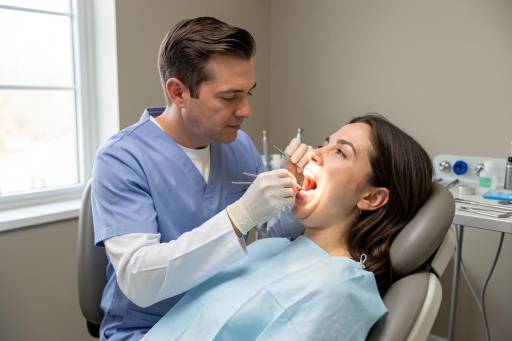
Maintaining continuity of care after oral surgery performed abroad is vital to your recovery and long-term oral health. When you return to Canada from Turkey, your local dentist or oral surgeon should be able to review your treatment, monitor healing, and address any complications or concerns.
Planning ahead facilitates this process. Before surgery, request comprehensive documentation from your Turkish provider including operative reports, imaging, medication details, and post-operative instructions. Sharing these with your Canadian healthcare provider ensures they have a full understanding of your surgical procedure and healing status.
Patient coordination between your international and local healthcare teams helps avoid gaps in care. Some clinics in Turkey offer assistance in arranging follow-up care abroad. You should proactively schedule appointments with your Canadian dentist or surgeon soon after your return to establish a care plan tailored to your needs.
Regular follow-up visits will enable your Canadian provider to assess tissue healing, manage pain or infections, and guide you on oral hygiene and diet during recovery. This coordinated approach reduces risks and supports optimal outcomes after oral surgery overseas.
Legal and Medical Considerations for Cross-Border Oral Surgery Follow-Up
When planning for oral surgery follow-up in Canada after treatment in Turkey, legal and medical factors come into play. One key aspect is ensuring proper transfer and availability of your medical documentation. Your Turkish surgeon should provide detailed records that your Canadian dentist can access promptly.
Insurance coverage is another consideration. Many Canadian health insurance plans do not cover procedures performed abroad, and follow-up care costs may or may not be reimbursed. It is important to verify your insurance policy details regarding international treatment and follow-up coverage to avoid unexpected expenses.
From a legal perspective, Canadian dentists and surgeons must comply with local regulations when providing care to patients treated overseas. They may request additional information or tests to confirm your condition before proceeding with follow-up treatments. Transparency in sharing your surgical history and any complications is essential for safe care.
Documentation should include surgical reports, diagnostic images, prescribed medications, and post-operative care instructions. Patients should keep copies in English or French to facilitate communication with Canadian providers. Being proactive about these legal and medical preparations smooths the transition of care and supports patient safety.
Choosing the Right Dentist or Surgeon in Canada for Post-Operative Care
Selecting a qualified dental professional in Canada for your post-operative oral surgery care is crucial to achieving the best outcomes. Look for dentists or oral surgeons who hold valid licenses with provincial regulatory bodies and have experience managing patients who underwent surgery abroad.
Credentials and professional background can be verified through provincial dental colleges. You may also seek recommendations from your Turkish provider or international dental care coordinators who often have networks with Canadian specialists.
Patient reviews and testimonials offer insights into the quality of post-surgical care provided by prospective dentists. Consider professionals who demonstrate clear communication, empathy, and thorough follow-up protocols.
Discuss your surgery details and expected follow-up plan during initial consultations. A knowledgeable dentist will tailor care to your specific procedure, monitor healing, and manage any complications efficiently.
Choosing the right provider ensures that your recovery continues smoothly in Canada and that you receive expert support tailored to your surgical history and dental health needs.
What to Communicate to Your Canadian Healthcare Provider After Surgery in Turkey
Effective communication with your Canadian dentist or oral surgeon after having surgery in Turkey is essential for safe, coordinated follow-up care. You should share comprehensive information about your medical and dental history, including any pre-existing conditions that could affect healing.
Provide detailed surgical records such as operation reports, types of anesthesia used, procedural steps, and any complications encountered during or immediately after surgery. Sharing imaging results like X-rays or CT scans helps your provider assess your current oral condition accurately.
Post-operative instructions received from your Turkish surgeon, including medication regimens, wound care guidelines, and dietary restrictions, are important to convey. This enables your Canadian provider to reinforce or adjust care plans appropriately.
Inform your dentist of any symptoms you experience upon returning to Canada, such as pain, swelling, or signs of infection. Prompt communication allows timely intervention to prevent complications.
Clear, transparent sharing of surgical details and ongoing symptoms supports your Canadian healthcare team in delivering effective and personalized post-surgical care.
Preparing for Your Follow-Up Care in Canada: Tips for a Smooth Transition
Preparing for your oral surgery follow-up care in Canada involves practical steps to ensure a smooth transition and effective recovery support. Scheduling your first post-operative appointment shortly after returning is vital to establish baseline assessments and plan ongoing care.
Organize all medical documents and imaging from your surgery abroad in accessible formats. Bring printed and digital copies to your appointments. This helps your Canadian provider quickly review your surgical history and tailor examination and treatment.
Manage your medications according to the instructions provided by your Turkish surgeon. Inform your Canadian dentist about all drugs you are taking, including pain relievers, antibiotics, or supplements, so they can monitor interactions or adjust prescriptions as needed.
Familiarize yourself with any post-surgical care protocols recommended by your Canadian provider, such as oral hygiene practices, diet modifications, and activity restrictions.
Get Support From an Oral and Maxillofacial Surgeon
Answer a few short questions and HealthNode will help you connect with the right oral and maxillofacial surgery specialist.
Symptoms and Urgency
This helps us understand whether you may need routine surgical planning or a higher-priority review.
Previous Tests or Surgical Planning
A few details help the surgeon understand what has already been checked and what type of surgical care may be needed.
Health and Surgery Factors
These details help the specialist understand any factors that may affect surgery, anesthesia, or healing.
Contact information
Your information is only used to contact you and is never shared with third parties.
Your request has been received!
Thank you. If you have dental X-rays, panoramic X-ray, CBCT or 3D scan, CT or MRI, referral notes, pathology reports, implant records, previous surgery records, or photos of swelling or injury, please keep them ready. A HealthNode consultant will guide you through the next step.
Being well-prepared minimizes delays or confusion during follow-up visits and promotes optimal healing. Taking these steps empowers you to actively participate in your recovery journey.
Frequently Asked Questions
Q: Can any Canadian dentist provide follow-up after oral surgery in Turkey?
A: Not all Canadian dentists have experience with international post-surgical care. It is best to choose a dentist or oral surgeon familiar with managing patients who had treatment abroad and who can review your medical records thoroughly.
Q: Will Canadian health insurance cover follow-up care after surgery in Turkey?
A: Coverage varies depending on your insurance plan. Many Canadian insurance policies do not cover procedures performed outside Canada, but some may cover necessary follow-up care. Check with your insurer to understand your benefits and any out-of-pocket costs.
A: Before surgery, request detailed records and imaging from your Turkish provider in English or French if possible. Bring these documents physically and digitally to your Canadian appointments to facilitate clear communication and proper care planning.
Q: What if complications arise after returning to Canada from oral surgery in Turkey?
A: If you experience pain, swelling, infection, or other concerns, contact your Canadian dentist or surgeon promptly. Early intervention can prevent worsening complications. Be prepared to provide all relevant surgical and medical information.
Q: Are there legal risks when receiving follow-up care in Canada after surgery abroad?
A: Canadian dentists adhere to local regulations and standards regardless of where surgery was performed. There are no inherent legal risks in receiving follow-up care; however, full disclosure and proper documentation are important to ensure safe treatment.
The information provided is for educational purposes only and does not constitute medical advice. Always consult with a healthcare professional for medical guidance specific to your situation.