Quick Answer
Oral surgery procedures such as root canal therapy and apicoectomy can effectively preserve natural teeth by removing infection and repairing damage when other treatments are insufficient. These surgeries help maintain tooth structure, prevent tooth loss, and support overall oral health.
- Oral surgery can save natural teeth damaged by infection, trauma, or structural issues when fillings or antibiotics are inadequate.
- Root canal therapy removes infected pulp tissue inside the tooth to eliminate infection and preserve the tooth structure.
- Apicoectomy is a surgical procedure that removes infected tissue at the root tip when root canal therapy alone is insufficient.
- Preserving natural teeth maintains chewing function, jawbone integrity, and prevents shifting of adjacent teeth.
- Surgical options are considered when symptoms like persistent pain, swelling, or infection continue after conservative treatments.
- Modern surgical techniques have improved success rates and reduced recovery times for tooth-preserving procedures.
- Risks of oral surgery include infection, bleeding, and temporary discomfort, but these are minimized with proper care and skilled specialists.
Can Oral Surgery Preserve Natural Teeth?
Oral surgery can indeed play a significant role in preserving your natural teeth when other treatments such as fillings, antibiotics, or initial root canal therapy are insufficient. Procedures like root canal therapy and apicoectomy are designed to save teeth that have been damaged by infection, trauma, or structural issues, allowing you to maintain your natural smile and oral function. These surgeries focus on removing infection, repairing damage, and preventing tooth loss whenever possible, which is often preferable to extraction and replacement.
Preserving natural teeth is generally advantageous because it maintains the integrity of your jawbone, supports proper chewing and speech, and helps prevent shifting of adjacent teeth that can lead to bite problems or further oral health issues. Advances in dental surgical techniques, including improved imaging, anesthesia, and minimally invasive methods, have enhanced success rates and reduced recovery times, making these options more accessible, effective, and comfortable for many patients.
If you're facing dental issues such as deep decay, persistent infection, or trauma, understanding how oral surgery can help is essential. This knowledge allows you to make informed decisions in consultation with your dental professional about the best approach to save your teeth and maintain long-term oral health. Being proactive and seeking timely care can improve outcomes and preserve your natural teeth for years to come.
Get Support From an Oral and Maxillofacial Surgeon
Answer a few short questions and HealthNode will help you connect with the right oral and maxillofacial surgery specialist.
Symptoms and Urgency
This helps us understand whether you may need routine surgical planning or a higher-priority review.
Previous Tests or Surgical Planning
A few details help the surgeon understand what has already been checked and what type of surgical care may be needed.
Health and Surgery Factors
These details help the specialist understand any factors that may affect surgery, anesthesia, or healing.
Contact information
Your information is only used to contact you and is never shared with third parties.
Your request has been received!
Thank you. If you have dental X-rays, panoramic X-ray, CBCT or 3D scan, CT or MRI, referral notes, pathology reports, implant records, previous surgery records, or photos of swelling or injury, please keep them ready. A HealthNode consultant will guide you through the next step.
Critical Oral Surgery Procedures That Preserve Your Natural Teeth
Oral surgery encompasses a variety of dental procedures designed to treat conditions affecting the teeth, gums, and jawbone, particularly when routine dental care is insufficient. In the context of tooth preservation, oral surgery offers targeted solutions to address infections, structural damage, or complications that cannot be resolved through non-surgical means.
Common procedures include root canal therapy, which involves removing infected or inflamed pulp tissue inside the tooth to eliminate infection and preserve the tooth structure. Another key procedure is apicoectomy, a surgical intervention that removes infected tissue at the root tip when a root canal alone is insufficient to resolve the problem. These interventions aim to eradicate infection, reduce inflammation, and promote healing, thereby extending the life of your natural teeth.
By preserving your natural teeth, oral surgery helps maintain proper chewing function and prevents the shifting of adjacent teeth, which can lead to bite misalignment, temporomandibular joint (TMJ) issues, or further oral health problems. The benefits extend beyond aesthetics, supporting overall dental health, jawbone integrity, and quality of life by allowing you to retain your natural smile and oral function. Understanding the role of these surgical options can help you appreciate their importance in comprehensive dental care.
Key Procedures That Help Save Your Natural Teeth
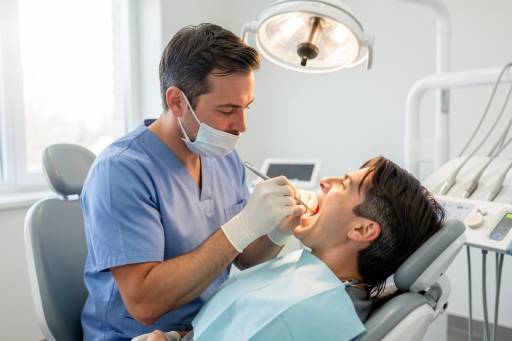
Root canal therapy is one of the most common and effective procedures to save a tooth that has infected or damaged pulp tissue. The procedure involves carefully removing the infected or inflamed tissue inside the tooth, thoroughly cleaning and disinfecting the root canals, and then sealing them to prevent reinfection. This treatment can relieve pain, eliminate infection, and avoid the need for tooth extraction, thereby preserving your natural tooth structure.
When root canal therapy cannot fully resolve an infection or if the infection recurs, an apicoectomy may be recommended. This surgical procedure involves making a small incision in the gum to access the root tip, removing the infected tissue along with the tip of the tooth's root, and then cleaning and sealing the area to promote healing. Apicoectomy is often used when a standard root canal has failed or when infection persists despite previous treatments.
Both procedures are highly effective in preserving natural teeth and preventing the need for prosthetic replacements. Retaining your own tooth structure helps maintain proper bite alignment and chewing function. Success rates are generally high when these procedures are performed by experienced dental specialists and are followed by proper aftercare, including good oral hygiene and regular dental visits. Patients should be aware that recovery may involve some discomfort and swelling, which can be managed with medication and care instructions provided by their dental team.
When to Consider Surgical Options for Tooth Preservation
Surgical interventions for tooth preservation are typically considered after conservative treatments such as fillings, antibiotics, or initial root canal therapy have not fully resolved the problem. Persistent symptoms like ongoing pain, swelling, or signs of infection such as abscess formation indicate the need for further evaluation and possibly surgical intervention to save the tooth.
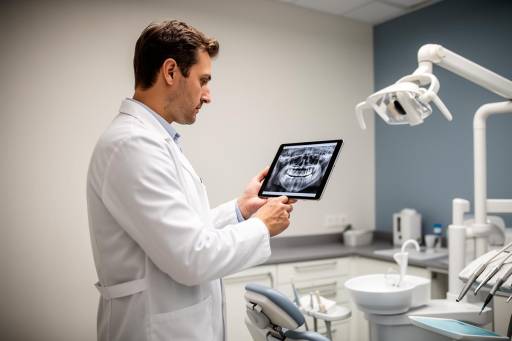
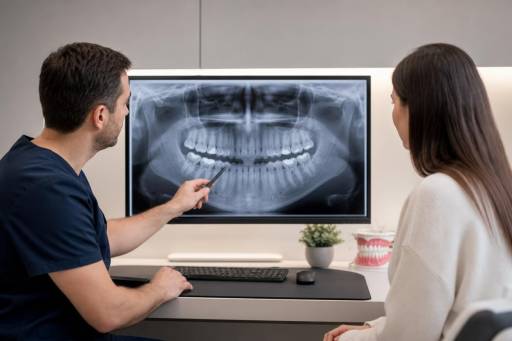
If you experience symptoms such as prolonged tooth sensitivity to hot or cold, discomfort when chewing, or visible signs of damage to the tooth or gums, your dentist may recommend oral surgery as the next step. Advanced imaging techniques and thorough clinical examination help determine the severity and extent of the damage, guiding the decision on whether surgery is necessary and what type of procedure would be most effective.
Early intervention is key to preserving teeth and preventing more extensive damage or tooth loss. Delaying treatment can result in worsening infection, bone loss, or damage to adjacent teeth, which may complicate future dental work. Discussing your symptoms openly and promptly with a dental professional can help identify the appropriate timing for surgical options to save your natural teeth and maintain oral health. Your provider can also advise on the risks and benefits of proceeding with surgery versus alternative treatments.
Benefits and Risks of Oral Surgery for Tooth Preservation
The primary benefit of oral surgery to preserve teeth is maintaining your natural tooth structure, which plays a crucial role in supporting chewing efficiency, jawbone health, and overall oral function. Natural teeth provide the best fit and feel for biting and chewing, which helps in proper digestion and nutrition. These procedures often relieve pain caused by infection and prevent the need for tooth extraction and subsequent prosthetic replacements, such as bridges or implants, which may require additional maintenance and can sometimes lead to bone loss over time.
Surgical treatments like root canal therapy and apicoectomy have high success rates, especially when performed by skilled specialists who use advanced techniques and sterilization protocols. Recovery times are generally manageable, often involving mild discomfort and swelling that can be controlled with prescribed medications and proper care. Modern surgical methods and anesthesia options have greatly reduced complications, making these procedures safer and more comfortable than in the past.
However, as with all surgeries, there are inherent risks including infection, bleeding, or damage to surrounding tissues such as nerves or adjacent teeth. Some patients may experience temporary discomfort, swelling, or sensitivity during the recovery period, which typically resolves with time and proper post-operative care. It is important for patients to follow their dental team's instructions carefully to minimize complications and promote healing. Your dental team will provide detailed information about potential risks, signs to watch for, and post-operative care guidelines to ensure the best possible outcome.
Consulting with Dental Professionals About Your Tooth Preservation Options
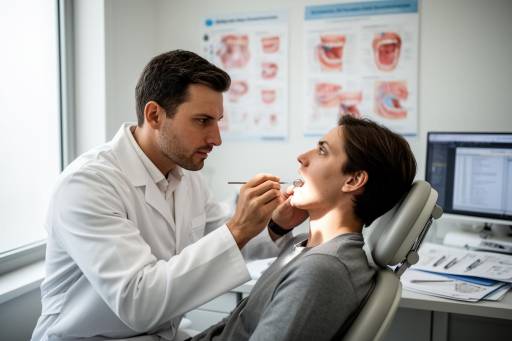
Consulting with a qualified dental professional is essential to determine the best treatment plan for preserving your natural teeth. Dentists and endodontists bring specialized knowledge to evaluate your oral health comprehensively, reviewing imaging such as X-rays or 3D scans, and discussing your symptoms and medical history to recommend appropriate surgical or non-surgical options tailored to your individual needs.
When preparing for a consultation, it is helpful to consider asking about the expected outcomes of proposed treatments, potential risks, recovery times, and alternative options that may be available. This understanding enables you to make an informed decision that aligns with your personal preferences, lifestyle, and overall health goals. Questions about how the procedure might impact daily activities, pain management, and long-term prognosis can also be valuable.
Personalized dental care ensures that your treatment plan is tailored to your specific condition, lifestyle, and goals, taking into account factors such as your age, general health, and oral hygiene habits. Establishing open communication with your dental provider builds trust and helps you feel confident about preserving your natural teeth through oral surgery if needed. This collaborative approach also allows for ongoing monitoring and adjustments to your care plan as necessary to optimize outcomes.
Frequently Asked Questions
Q: What types of oral surgery can preserve natural teeth?
Get Support From an Oral and Maxillofacial Surgeon
Answer a few short questions and HealthNode will help you connect with the right oral and maxillofacial surgery specialist.
Symptoms and Urgency
This helps us understand whether you may need routine surgical planning or a higher-priority review.
Previous Tests or Surgical Planning
A few details help the surgeon understand what has already been checked and what type of surgical care may be needed.
Health and Surgery Factors
These details help the specialist understand any factors that may affect surgery, anesthesia, or healing.
Contact information
Your information is only used to contact you and is never shared with third parties.
Your request has been received!
Thank you. If you have dental X-rays, panoramic X-ray, CBCT or 3D scan, CT or MRI, referral notes, pathology reports, implant records, previous surgery records, or photos of swelling or injury, please keep them ready. A HealthNode consultant will guide you through the next step.
A: Oral surgeries like root canal therapy and apicoectomy are commonly used to preserve natural teeth. Root canal therapy removes infected tissue inside the tooth, while apicoectomy targets infection at the root tip. Both aim to save the tooth and prevent extraction.
Q: How do I know if I need oral surgery for tooth preservation?
A: Signs that may indicate the need for oral surgery include persistent tooth pain, swelling, or infection that does not improve with initial treatments. Your dentist can evaluate symptoms and imaging to determine if surgery is necessary to save your tooth.
Q: Are there risks associated with oral surgery to save teeth?
A: Yes, risks can include infection, bleeding, or damage to surrounding tissues, though these are relatively uncommon with modern techniques. Temporary discomfort or swelling during recovery is normal. Your dental team will provide guidance to minimize risks.
Q: What is the recovery like after procedures like apicoectomy?
A: Recovery typically involves some mild discomfort and swelling for a few days, which can be managed with pain relief medications. Most patients resume normal activities quickly, and follow-up visits ensure proper healing and success of the procedure.
Q: Can oral surgery guarantee my tooth will be saved?
A: While oral surgery significantly improves the chances of saving a tooth, success depends on factors like the extent of damage and overall oral health. Your dental professional will discuss realistic outcomes based on your specific case.
The information provided is for educational purposes only and does not constitute medical advice. Always consult with a healthcare professional for medical guidance specific to your situation.