Emergency Tooth Removal vs Planned Oral Surgery: Why Can Coverage Be Different in Nevada?
Emergency tooth removal and planned oral surgery have distinct insurance coverage in Nevada. Learn how coverage differs and what influences decisions.
Explore oral and maxillofacial surgery costs abroad, including consultation, imaging, anesthesia, hospital care, surgical materials, pathology, accommodation, and postoperative follow-up.

Emergency tooth removal and planned oral surgery have distinct insurance coverage in Nevada. Learn how coverage differs and what influences decisions.

IV sedation impacts the total cost of wisdom tooth surgery in the USA by adding anesthesia-related fees. Learn how this affects your expenses.
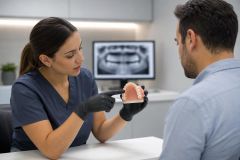
Surgical exposure of a tooth requires preauthorization under the CDCP to ensure compliance, patient safety, and smooth treatment planning.
Get a free consultation and talk through symptoms, treatment options, and possible care paths with our coordination team.
Get Free Consultation
Sedation for oral surgery under the CDCP may have limited separate coverage depending on policy details. Learn how to verify your benefits and what influences coverage decisions.

CDCP-covered oral surgery may still involve out-of-pocket costs due to coverage limits and additional expenses. Learn how to prepare.

Learn how international patients can budget effectively for oral surgery in Turkey with cost insights, travel expenses, payment plans, and savings tips.

Learn how the total cost of oral surgery is calculated, including key factors, cost breakdowns, and financing options for international patients.

Explore the average cost of oral surgery in Turkey and learn how affordable, high-quality dental care abroad can be for international patients.

Explore key factors affecting the cost of oral and maxillofacial surgery and learn how to plan financially for treatment abroad.

Explore the average cost of oral and maxillofacial surgery with insights on factors influencing pricing and budgeting tips for your procedure.
The cost of oral and maxillofacial surgery abroad varies considerably because the specialty includes many different procedures. A surgical tooth extraction may be completed as a relatively limited outpatient treatment, while corrective jaw surgery or facial reconstruction may require several specialists, general anesthesia, hospitalization, customized surgical planning, and long-term follow-up.
The final price depends on the diagnosis, complexity of the operation, surgical setting, anesthesia type, treatment duration, surgeon experience, materials used, and country where care is provided.
Simple tooth extraction is generally less expensive than surgical removal of an impacted or deeply positioned tooth. The price may increase when the tooth is covered by bone, positioned close to a nerve, associated with infection, or difficult to access.
Wisdom tooth removal may be priced per tooth or as a package for multiple teeth. Removing four wisdom teeth during one session may have a different price structure from treating each tooth separately.
Additional fees may apply for panoramic X-rays, cone beam computed tomography, sedation, medication, pathology, or management of complications.
Patients should confirm whether the quoted extraction price includes examination, imaging, anesthesia, sutures, postoperative review, and emergency support.
Dental implant costs may be presented as the price of the implant post alone or as a complete treatment including the implant, abutment, and final crown. International patients should clarify exactly what is included.
The surgical cost may be affected by implant brand, implant number, bone quality, extraction requirements, temporary teeth, surgical guides, sedation, and case complexity.
Bone grafting, sinus lift surgery, gum grafting, and final prosthetic treatment are frequently charged separately. A low advertised implant price may therefore represent only one component of the complete treatment.
Patients should request an itemized plan distinguishing the surgical phase from the restorative phase. They should also ask whether the same clinic will provide the final crown or bridge and how many trips are required.
Bone grafting costs depend on the size of the defect, graft source, amount of material, membrane use, biologic products, donor-site surgery, and whether implants are placed at the same time.
A small graft performed around one implant generally costs less than extensive horizontal or vertical jaw reconstruction. Grafts taken from another area of the patient’s body may involve additional operating room, anesthesia, and hospital fees.
Sinus lift pricing may vary according to whether a lateral or internal approach is used, the amount of graft material required, and whether dental implants are inserted during the same procedure.
Patients should ask whether graft materials, membranes, imaging, medication, and postoperative examinations are included in the price.
Orthognathic surgery is one of the more complex and costly areas of oral and maxillofacial treatment. The total cost may include orthodontic preparation, surgical planning, hospital admission, anesthesia, surgeon fees, operating room charges, plates and screws, postoperative imaging, and follow-up care.
The price may differ according to whether surgery involves the upper jaw, lower jaw, chin, or both jaws. More extensive procedures usually require longer operating times and hospital stays.
Preoperative and postoperative orthodontics represent a separate major cost. Patients should not evaluate the surgery price without considering the full orthodontic pathway.
Additional expenses may include speech therapy, physiotherapy, nutritional support, medication, removal of fixation materials in selected cases, and treatment of complications.
The cost of temporomandibular joint treatment depends on whether the patient receives a joint injection, arthrocentesis, arthroscopy, open surgery, or total joint replacement.
Minimally invasive procedures are generally less expensive than open reconstruction. Customized joint prostheses, prolonged hospitalization, physiotherapy, and complex imaging can significantly increase the total cost.
Patients should confirm whether rehabilitation and long-term joint monitoring are included. They should also ask whether conservative treatments have been adequately considered before surgery.
The cost of removing an oral cyst or lesion depends on its size, position, effect on surrounding structures, and whether reconstruction is required.
Pathology fees should be included in the cost assessment. A tissue diagnosis may identify a condition requiring further surgery, medical treatment, or long-term monitoring.
Large jaw defects may require bone grafting, fixation, dental reconstruction, or hospitalization. These procedures are normally priced separately from the initial biopsy or lesion removal.
International patients should ask how unexpected pathology results will affect the treatment plan and whether additional care can be coordinated after they return home.
Facial trauma treatment costs depend on the number of fractures, timing of treatment, need for emergency care, hospital stay, fixation materials, nerve or eye involvement, and reconstructive requirements.
Patients seeking secondary correction of a previous facial injury may require new imaging, customized implants, bone grafts, scar treatment, dental rehabilitation, or corrective jaw surgery.
Because reconstructive cases are highly individualized, reliable pricing usually requires detailed clinical and radiological assessment.
An oral and maxillofacial surgery quotation may include some or all of the following:
Patients should not assume that a surgical package includes all these services. An itemized written quotation should state which costs are fixed and which may change after the in-person assessment.
The patient may need dental cleaning, fillings, root canal treatment, gum therapy, tooth extraction, orthodontics, crowns, bridges, or dentures before or after surgery.
Patients with medical conditions may require specialist clearance or additional testing. These consultations can increase the overall cost.
Temporary teeth may be necessary during implant or reconstructive treatment. The design, material, and replacement of temporary prostheses should be included in the financial plan.
Unexpected findings during surgery may also change the treatment scope. The clinic should explain how additional procedures will be authorized and charged.
The apparent saving offered by treatment abroad should be evaluated together with travel-related expenses. These may include flights, hotel accommodation, meals, local transportation, travel insurance, companion expenses, and time away from work.
Major surgery may require a companion during the early recovery period. Patients should determine whether accommodation is suitable for postoperative needs and whether the hospital provides support after discharge.
Several procedures require more than one international trip. For example, bone grafting may be followed by implant placement months later, and the final dental restoration may require another visit.
Corrective jaw surgery may require orthodontic appointments before and after the operation, making repeated international travel impractical unless treatment is coordinated locally.
Postoperative examinations may be included for a limited period. Patients should ask what happens if they experience infection, bleeding, implant failure, graft exposure, nerve symptoms, or other complications after returning home.
Local dentists and surgeons may charge for examinations, imaging, medication, suture removal, or corrective treatment. Some providers may not assume responsibility for surgery performed elsewhere without conducting a new assessment.
Revision surgery is not always covered by a treatment guarantee. The clinic should explain whether the patient must pay for hospital, anesthesia, materials, or travel if another operation is required.
Coverage for surgery abroad varies by insurer and healthcare system. Some medically necessary procedures may qualify for partial reimbursement, while cosmetic, elective, or overseas treatment may be excluded.
Patients should obtain written confirmation from their insurer before committing to treatment. The overseas provider should be able to supply detailed invoices, diagnostic reports, procedure descriptions, and payment documentation.
Currency exchange rates may change during staged treatment. Patients should ask whether the price is fixed in a particular currency and how future procedures will be calculated.
Payment schedules, deposits, cancellation terms, and refund policies should be reviewed carefully. Patients should avoid making decisions solely because of limited-time discounts or pressure to pay before receiving a complete surgical plan.
The best cost comparison considers surgeon qualifications, hospital standards, anesthesia safety, treatment scope, surgical materials, follow-up arrangements, and long-term outcomes. A lower price does not offer good value when essential diagnostic, safety, or postoperative services are missing.