Quick Answer
A CDCP-covered oral surgery can still result in out-of-pocket expenses due to coverage limits, exclusions, and additional costs such as anesthesia, post-operative care, and specialized materials. Patients should verify their specific coverage and discuss potential expenses with their oral surgeon and insurance provider to avoid unexpected bills.
- The Canadian Dental Care Plan (CDCP) covers many medically necessary oral surgeries but excludes most cosmetic or elective procedures.
- Anesthesia, sedation, post-operative medications, and follow-up visits may not be fully covered by the CDCP, leading to additional patient costs.
- Coverage details and patient responsibilities vary by region and individual insurance plans under the CDCP.
- Patients should obtain a detailed treatment plan and cost estimate from their oral surgeon before surgery to understand potential out-of-pocket expenses.
- Reviewing all billing statements carefully and communicating with providers and insurers can help resolve unexpected charges.
- If unexpected bills occur, patients should verify charges, contact billing departments and insurers, and explore payment plans or financial assistance.
- Asking specific questions about coverage, exclusions, and payment options before surgery helps patients prepare financially and avoid surprises.
Could a CDCP-Covered Oral Surgery Still Leave You With an Out-of-Pocket Bill?
A CDCP-covered oral surgery can still result in out-of-pocket expenses for patients, despite the presence of insurance benefits. Coverage under the Canadian Dental Care Plan (CDCP) typically includes many medically necessary oral surgery procedures; however, certain limitations, exclusions, and patient responsibilities often apply, which may lead to unexpected costs that patients should be prepared for.
Understanding the scope and boundaries of CDCP coverage is essential for anyone planning oral surgery to avoid financial surprises. While the plan covers many medically necessary treatments, it may not fully cover all aspects of care. For example, anesthesia or sedation services, post-operative medications, specialized dental materials, and follow-up visits may not be included or may have limited coverage, resulting in additional charges.
Navigating insurance policies and oral surgery costs can be complex and sometimes confusing. Being well-informed about what is covered, what is excluded, and how to communicate effectively with your healthcare providers and insurance representatives can help you manage your financial responsibility more confidently. This knowledge also empowers you to make informed decisions about your treatment options and financial planning, ensuring you access the care you need without unexpected financial burdens.
Get Support From an Oral and Maxillofacial Surgeon
Answer a few short questions and HealthNode will help you connect with the right oral and maxillofacial surgery specialist.
Symptoms and Urgency
This helps us understand whether you may need routine surgical planning or a higher-priority review.
Previous Tests or Surgical Planning
A few details help the surgeon understand what has already been checked and what type of surgical care may be needed.
Health and Surgery Factors
These details help the specialist understand any factors that may affect surgery, anesthesia, or healing.
Contact information
Your information is only used to contact you and is never shared with third parties.
Your request has been received!
Thank you. If you have dental X-rays, panoramic X-ray, CBCT or 3D scan, CT or MRI, referral notes, pathology reports, implant records, previous surgery records, or photos of swelling or injury, please keep them ready. A HealthNode consultant will guide you through the next step.
Deciphering CDCP Coverage for Oral Surgery Procedures
The Canadian Dental Care Plan (CDCP) generally covers a range of oral surgery procedures that are deemed medically necessary. These commonly include tooth extractions, treatment of oral infections, surgeries related to dental trauma, and procedures addressing oral pathology. Coverage decisions under the CDCP often hinge on the medical necessity of the procedure for maintaining or restoring oral health, rather than cosmetic or elective reasons.
However, the plan has specific limitations and exclusions that patients should be aware of before proceeding with treatment. For instance, procedures categorized under cosmetic dentistry or certain elective oral surgeries may not be covered by the CDCP. Additionally, there may be limits on the number of procedures allowed within a given period or maximum reimbursable amounts, which can affect how much the plan will pay.
It is important to recognize that insurance policies under the CDCP can vary by region and individual plan details. This variability means that even if a procedure is generally covered under the plan, the extent of coverage and patient cost-sharing obligations can differ significantly depending on your specific policy. Patients should carefully review their policy documents and confirm coverage specifics with their insurance provider or oral surgeon before proceeding with surgery to ensure they understand their financial responsibilities and avoid unexpected expenses.
Common Out-of-Pocket Expenses Despite CDCP Coverage
Even when your oral surgery is covered by the Canadian Dental Care Plan (CDCP), you might still face out-of-pocket costs for several common reasons. One frequent source of additional expenses is anesthesia and sedation services, which are often not fully covered by dental insurance plans, including the CDCP. Depending on the type of anesthesia used and the complexity of the procedure, these costs can add up and may be billed separately.
Post-operative care is another area where patients might incur expenses beyond what the insurance plan reimburses. This can include prescription medications for pain management or infection prevention, follow-up visits to monitor healing, and any specialized wound care that may be necessary. These services are essential for a successful recovery but may not always be fully covered.
Some dental materials or implants used during surgery might not be included under the basic coverage, requiring patients to pay the difference if they choose higher-quality or specialized options. Billing practices and insurance claim procedures can also result in gaps, such as deductibles, co-payments, or services deemed outside of plan coverage. These gaps can accumulate, causing patients to receive bills for amounts not covered by the CDCP.
Being aware of these potential additional costs allows you to plan financially and have informed discussions with your oral surgeon and insurance provider ahead of time. This preparation helps you anticipate expenses, explore alternative treatment options if needed, and avoid surprises after your procedure.
How to Maximize Your Insurance Benefits and Minimize Unexpected Costs
Verifying your insurance coverage details before undergoing oral surgery is a critical step to minimize unexpected costs and financial stress. Start by contacting your insurance provider to confirm which specific procedures, materials, and services are covered under your Canadian Dental Care Plan (CDCP). This includes understanding whether anesthesia, sedation, post-operative care, and any specialized materials or implants are included in your benefits.
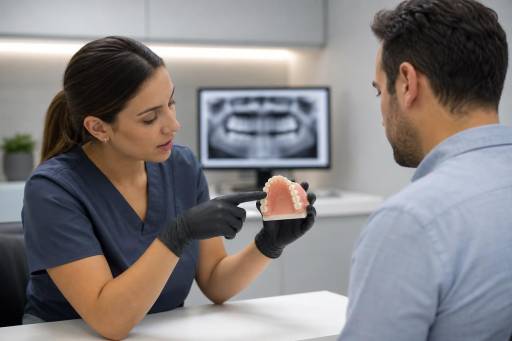
Engage in clear and open discussions with your oral surgeon or dental clinic about the anticipated costs. Request a detailed treatment plan that outlines each procedure and associated fees, along with a cost estimate that highlights any services or materials that might not be covered by your insurance. This transparency helps you understand your potential out-of-pocket expenses before treatment begins.
Once treatment has started, review all billing statements carefully. If you encounter charges that seem unclear or unexpected, do not hesitate to ask for detailed explanations from your provider or insurer. Active patient advocacy involves maintaining open communication with both your healthcare providers and insurance representatives to resolve discrepancies or negotiate costs when necessary.
Planning financially for oral surgery by setting aside funds for possible out-of-pocket costs can reduce stress and ensure you can complete the necessary treatment without delay. Being informed and proactive in managing your insurance benefits helps you maximize coverage and avoid surprises that could impact your care.
Questions to Ask Your Oral Surgeon and Insurance Provider Before Treatment
Before your oral surgery, it is crucial to ask specific questions to clarify your insurance coverage and understand the full scope of potential costs. Begin by confirming whether your procedure is fully covered by the Canadian Dental Care Plan (CDCP) or if there are any known exclusions, limitations, or caps that might affect your benefits. This helps set realistic expectations about what expenses you may be responsible for.
Inquire whether anesthesia or sedation will be required during your surgery, as these services are sometimes billed separately from the primary procedure. Understanding if these will be included in your coverage or if you will need to pay out-of-pocket can prevent unexpected bills later. Additionally, ask about post-operative care costs, such as prescription medications, follow-up visits, or specialized wound care, since these may not always be covered under your plan.
Request a detailed written estimate that outlines all anticipated fees, including surgeon fees, facility charges, anesthesia, medications, and any other related expenses. Confirm the process your oral surgeon's office follows for submitting insurance claims and how long reimbursement typically takes. It is also helpful to understand your payment options, such as installment plans or financial assistance programs, which may be available to help manage any out-of-pocket costs.
By asking these questions upfront, you can prepare financially and avoid unwelcome surprises after your oral surgery is complete. Being proactive in gathering this information empowers you to make informed decisions about your care and budget accordingly.
Steps to Take if You Receive an Unexpected Medical Bill After Oral Surgery
If you receive a medical bill after oral surgery that you did not anticipate, the first step is to carefully review the bill for accuracy. Check that the charges correspond to the treatments and services you actually received and that they align with the details of your insurance coverage. Sometimes billing errors or duplicate charges can occur, so scrutinizing the bill closely is essential.
Next, contact your oral surgeon’s billing department to discuss any discrepancies or unclear charges. They can often provide explanations or correct mistakes. Similarly, reach out to your insurance provider to verify what was covered and why certain costs may have been denied or partially paid. Miscommunications or claim processing errors are common and can often be resolved through direct communication.
If after these discussions a portion of the bill remains your responsibility, ask about options for negotiating payment plans or applying for financial assistance programs. Many providers offer flexible arrangements to help patients manage their bills over time.
Seeking advice from patient advocacy groups or healthcare financial counselors who specialize in navigating medical billing issues can also be beneficial. They can offer guidance on your rights as a patient and suggest strategies to resolve billing disputes. Taking these steps can help you manage unexpected financial burdens effectively and avoid stress related to surprise medical bills.
Get Support From an Oral and Maxillofacial Surgeon
Answer a few short questions and HealthNode will help you connect with the right oral and maxillofacial surgery specialist.
Symptoms and Urgency
This helps us understand whether you may need routine surgical planning or a higher-priority review.
Previous Tests or Surgical Planning
A few details help the surgeon understand what has already been checked and what type of surgical care may be needed.
Health and Surgery Factors
These details help the specialist understand any factors that may affect surgery, anesthesia, or healing.
Contact information
Your information is only used to contact you and is never shared with third parties.
Your request has been received!
Thank you. If you have dental X-rays, panoramic X-ray, CBCT or 3D scan, CT or MRI, referral notes, pathology reports, implant records, previous surgery records, or photos of swelling or injury, please keep them ready. A HealthNode consultant will guide you through the next step.
Frequently Asked Questions
Q: What does CDCP typically cover for oral surgery?
A: CDCP usually covers medically necessary oral surgeries such as tooth extractions and treatments for dental infections. Coverage excludes most cosmetic or elective procedures. It's important to verify your specific plan's details with your insurer.
Q: Why might I have out-of-pocket costs even with CDCP coverage?
A: Out-of-pocket costs can arise from services like anesthesia, sedation, or post-operative care not fully covered by CDCP. Insurance deductibles, co-pays, and coverage limits also contribute to additional expenses.
Q: How can I avoid unexpected bills after oral surgery?
A: Confirm coverage details with your insurance provider and get a detailed cost estimate from your oral surgeon beforehand. Review all bills carefully and communicate promptly with providers and insurers about any discrepancies.
Q: What questions should I ask before oral surgery under CDCP?
A: Ask if your procedure, anesthesia, and post-operative care are covered. Request a written cost estimate and clarify insurance claim processes. Also, inquire about payment options if you face out-of-pocket expenses.
Q: What should I do if I receive an unexpected bill after surgery?
A: Review the bill for accuracy and contact your oral surgeon and insurance company to discuss it. If necessary, negotiate payment plans or seek financial assistance. Patient advocacy resources can also provide guidance.
The information provided is for educational purposes only and does not constitute medical advice. Always consult with a healthcare professional for medical guidance specific to your situation.