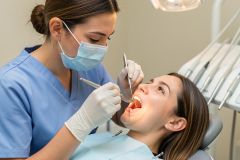
Oral and Maxillofacial Surgery - Planning and Procedure
Planning oral and maxillofacial surgery begins with a detailed evaluation of the patient’s condition, medical history, dental health, facial anatomy, symptoms, and treatment expectations. Because this specialty includes both minor oral procedures and major facial operations, the planning process differs considerably according to the diagnosis and surgical complexity.
The initial consultation may be performed by a dentist, oral surgeon, or oral and maxillofacial surgeon. During the examination, the clinician may evaluate the teeth, gums, jaw movement, facial symmetry, dental bite, soft tissues, nerve function, and the area causing symptoms.
Patients should provide information about previous dental and surgical treatment, medical conditions, medications, allergies, smoking, alcohol use, bleeding problems, anesthesia history, and any previous complications. Conditions such as diabetes, cardiovascular disease, respiratory disease, immune disorders, and uncontrolled high blood pressure may influence surgical planning.
Certain medications can affect bleeding, bone healing, infection risk, or anesthesia. Patients should not stop prescription medications without guidance from the relevant clinician. The surgical team may request medical clearance or coordinate with the patient’s physician when necessary.
Diagnostic Imaging and Clinical Records
Dental X-rays may be sufficient for routine extractions or limited procedures. More complex surgery may require panoramic imaging, cone beam computed tomography, conventional computed tomography, magnetic resonance imaging, or other diagnostic tests.
Three-dimensional imaging can help the surgeon evaluate bone volume, tooth position, jaw anatomy, sinus cavities, airway structures, facial fractures, cysts, tumors, and the course of important nerves.
For jaw surgery, treatment planning may also include facial photographs, dental scans, cephalometric analysis, bite records, and virtual surgical simulations. Customized surgical guides or fixation components may be produced in selected cases.
Patients seeking treatment abroad may submit existing records for a preliminary review. Useful documents can include recent X-rays, CT scans, pathology reports, dental treatment records, medical reports, photographs, medication lists, and laboratory results.
Remote assessment can help the clinic estimate treatment possibilities, but the final surgical plan may change after an in-person examination and updated imaging. Patients should understand that a quotation based only on photographs or incomplete records may not reflect the final treatment required.
Specialist Consultation and Multidisciplinary Planning
Some oral surgical procedures can be planned by a single surgeon. Complex cases may require coordination with an orthodontist, restorative dentist, prosthodontist, periodontist, radiologist, anesthesiologist, oncologist, or other specialist.
Dental implant reconstruction may involve a surgeon who places the implants and a restorative dentist who designs the crowns or bridges. Corrective jaw surgery generally requires coordinated orthodontic and surgical treatment. Oral lesions may require pathological examination and, in some cases, additional medical treatment.
International patients should determine which specialist is responsible for each stage. The clinic or hospital should explain whether all services are provided within the same organization or whether the patient will be referred to separate providers.
A coordinated plan should clarify the order of treatment, number of appointments, expected healing intervals, temporary dental solutions, and responsibility for follow-up care.
Preoperative Tests and Preparation
Preoperative testing depends on the procedure, anesthesia method, age, and medical history. Tests may include blood counts, blood-clotting assessments, blood chemistry, electrocardiography, chest imaging, pregnancy testing, or other investigations.
Minor procedures under local anesthesia may require limited preparation. Surgery under sedation or general anesthesia generally requires fasting and more detailed preoperative instructions.
Patients should follow instructions regarding food, drink, medication, smoking, alcohol, and transportation. A responsible adult may be required to accompany the patient after sedation or general anesthesia.
Active dental infection, uncontrolled gum disease, poor oral hygiene, or untreated medical problems may need to be addressed before elective surgery. Professional cleaning or antimicrobial treatment may be recommended in selected cases.
Patients undergoing jaw reconstruction or major surgery may receive nutritional guidance because eating can be difficult during recovery. They may also be advised to arrange soft foods, oral hygiene products, prescribed medication, and appropriate accommodation before the operation.
Anesthesia and Sedation Options
Oral and maxillofacial procedures may be performed under local anesthesia, conscious sedation, intravenous sedation, or general anesthesia. The choice depends on surgical complexity, treatment duration, patient health, anxiety, and the clinical setting.
Local anesthesia numbs the surgical area while the patient remains awake. It is commonly used for tooth extraction, dental implant placement, limited bone grafting, and other outpatient procedures.
Sedation can reduce awareness and anxiety while maintaining varying levels of responsiveness. Patients receiving sedation generally need monitoring and should not drive, operate machinery, or make important decisions immediately afterward.
General anesthesia produces complete unconsciousness and is commonly used for major jaw surgery, extensive facial reconstruction, complex trauma, or selected multi-procedure cases. It requires appropriate hospital facilities, specialist anesthesia care, and postoperative observation.
Patients should ask who will administer anesthesia, where the procedure will be performed, what monitoring will be used, and whether anesthesia fees are included in the quotation.
The Surgical Procedure
The steps of surgery depend on the condition being treated. For surgical tooth extraction, an incision may be made in the gum, a small amount of bone may be removed, and the tooth may be divided into sections before removal.
Dental implant surgery involves preparing a controlled site within the jawbone and placing the implant at the planned position and angle. Bone graft material may be added when necessary.
During sinus lift surgery, the surgeon gains access to the upper jawbone, carefully raises the sinus membrane, and places graft material beneath it.
In corrective jaw surgery, controlled cuts are made in the jawbones, which are then repositioned according to the surgical plan. Plates and screws are commonly used to stabilize the new position.
For cysts and lesions, surgery may involve biopsy, complete removal, decompression, or reconstruction of the resulting defect. Removed tissue is generally examined by a pathology laboratory.
The duration of surgery may range from less than an hour for a limited procedure to several hours for complex reconstruction.
Outpatient Surgery and Hospitalization
Many oral surgical procedures are performed on an outpatient basis, allowing the patient to return to their accommodation on the same day. Major jaw surgery, extensive grafting, facial reconstruction, and procedures under general anesthesia may require hospitalization.
The expected length of stay depends on the operation, anesthesia, medical condition, pain control, ability to eat and drink, and need for postoperative monitoring.
International patients should ask whether hospital accommodation, nursing care, medication, meals, companion arrangements, and translation support are included.
They should also determine whether the hospital is equipped to manage unexpected bleeding, airway problems, anesthesia complications, and other emergencies.
Immediate Postoperative Monitoring
After surgery, the clinical team monitors bleeding, breathing, consciousness, pain, swelling, nausea, and other early recovery factors. Patients may receive pain medication, antibiotics when clinically indicated, anti-inflammatory medication, mouth rinses, or other treatments.
Cold packs, head elevation, dietary restrictions, and activity limitations may be recommended. Written instructions should explain how to clean the mouth, manage swelling, use medication, and recognize warning signs.
Patients should know who to contact if they experience uncontrolled bleeding, breathing or swallowing difficulty, rapidly increasing swelling, high fever, severe pain, persistent vomiting, or an allergic reaction.
Travel Planning for International Patients
The appropriate length of stay abroad depends on the procedure. Limited extractions or uncomplicated implant surgery may require a relatively short stay, while major jaw surgery and reconstructive procedures require longer monitoring.
Patients should not plan their return flight based only on the date of surgery. The surgeon should consider postoperative bleeding, swelling, pain control, sinus involvement, anesthesia recovery, wound stability, and the possibility of early complications.
Procedures involving the sinus cavity may require special guidance about flying, nose blowing, sneezing, and pressure changes. The recommended timing of air travel should be determined by the treating surgeon.
Patients should allow sufficient time for an initial postoperative examination. Sutures may dissolve naturally or require removal. If the patient returns home before suture removal, arrangements should be made with a local dental or medical professional.
Major surgery may require several follow-up examinations before international travel is considered appropriate. Patients should also consider mobility, fatigue, dietary needs, and the availability of medical assistance during the journey.
Medical Records and Continuity of Care
Before leaving the treatment country, patients should receive copies of relevant records. These may include:
- Consultation and examination reports
- Dental X-rays and three-dimensional imaging
- Surgical treatment plans
- Operative reports
- Implant or fixation component information
- Bone graft and biomaterial details
- Pathology reports
- Anesthesia records
- Medication prescriptions
- Discharge summaries
- Postoperative instructions
- Recommended follow-up schedule
Documents should ideally be provided in a language that the patient and their local healthcare providers can understand.
The overseas surgeon should explain whether routine follow-up can be performed by a local dentist or specialist. Complex cases may require direct communication between the treating team abroad and the patient’s home-country provider.
Patients should identify a local professional before travelling whenever ongoing wound care, orthodontic monitoring, implant restoration, physiotherapy, or long-term surgical review will be required.
Oral and maxillofacial surgery abroad can be planned safely only when the treatment journey is considered as a complete process. Accurate diagnosis, qualified surgical care, appropriate anesthesia, realistic travel timing, emergency planning, and continuity of follow-up are as important as the operation itself.