Partly Erupted or Fully Impacted: Why Can Wisdom Tooth Surgery Become More Complex?
Wisdom tooth surgery complexity rises with partly erupted or impacted teeth due to positioning, risks, and surgical challenges. Learn key considerations.
Explore oral and maxillofacial surgical procedures for impacted teeth, jaw disorders, facial trauma, bone loss, dental implant preparation, oral lesions, and other conditions affecting the mouth, jaws, and face.
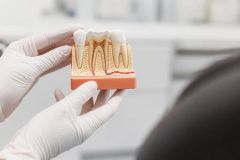
Wisdom tooth surgery complexity rises with partly erupted or impacted teeth due to positioning, risks, and surgical challenges. Learn key considerations.
Learn about surgical exposure of an impacted tooth, the procedure, recovery, risks, and decision factors to understand your dental treatment options.
Learn what oral biopsy surgery is, its types, procedure, and why it matters in diagnosing oral health issues globally.
Get a free consultation and talk through symptoms, treatment options, and possible care paths with our coordination team.
Get Free Consultation
Explore the different types of oral and maxillofacial surgery, including procedures, indications, and patient expectations for specialized care.
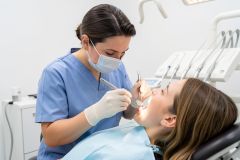
Learn about impacted wisdom tooth surgery, including causes, symptoms, procedure, and recovery tips for safe, effective treatment.
Oral and maxillofacial surgery is a specialized field of healthcare focused on diagnosing and surgically treating conditions affecting the teeth, gums, jaws, mouth, facial bones, and surrounding soft tissues. Depending on the condition, treatment may range from a relatively limited tooth extraction performed under local anesthesia to complex jaw reconstruction requiring hospitalization and general anesthesia.
The most appropriate procedure depends on the patient’s diagnosis, symptoms, medical history, dental condition, facial anatomy, and treatment goals. Oral and maxillofacial surgeons may work with dentists, orthodontists, prosthodontists, periodontists, ear, nose and throat specialists, plastic surgeons, oncologists, and other healthcare professionals when multidisciplinary care is required.
Tooth extraction involves removing a tooth that cannot be maintained or treated predictably. Extraction may be recommended for severe decay, advanced gum disease, dental infection, root fracture, overcrowding, failed root canal treatment, or preparation for orthodontic care.
A simple extraction may be possible when the tooth is visible and can be removed without extensive surgical access. Surgical extraction may be required when the tooth is broken below the gum line, impacted within the jawbone, covered by gum tissue, or positioned close to nerves or other anatomical structures.
Before extraction, the clinician may use dental X-rays or three-dimensional imaging to evaluate the tooth roots, nearby teeth, bone structure, sinus cavity, and important nerves. The complexity of the procedure, anesthesia requirements, healing time, and risk profile should be explained before treatment.
Wisdom tooth removal is one of the most common oral surgical procedures. Wisdom teeth may become impacted when they do not have enough space to erupt normally. They can remain completely within the jawbone, become partially covered by gum tissue, or grow at an angle toward neighboring teeth.
Removal may be considered when an impacted wisdom tooth causes pain, recurring gum infection, decay, cyst formation, damage to an adjacent tooth, or other clinical problems. Not every wisdom tooth automatically requires extraction, and the decision should be based on the patient’s symptoms, imaging findings, age, dental health, and expected future risk.
Lower wisdom teeth may be positioned close to nerves that provide sensation to the lower lip, chin, and tongue. Upper wisdom teeth may be located near the maxillary sinus. Detailed imaging may therefore be required before surgery, especially in complex cases.
Teeth other than wisdom teeth can also remain impacted. Canine teeth in the upper jaw are among the teeth most commonly affected. Impacted teeth may be removed or surgically exposed as part of orthodontic treatment.
During surgical exposure, the oral surgeon uncovers the impacted tooth and may attach a small orthodontic component to it. The orthodontist then gradually guides the tooth into the correct position.
Treatment usually requires coordination between the surgeon and orthodontist. International patients considering this procedure abroad should understand that orthodontic follow-up may continue for many months after the surgical stage.
Dental implant surgery involves placing artificial tooth roots into the jawbone to support crowns, bridges, or full-arch restorations. Oral and maxillofacial surgeons may perform implant placement in straightforward and complex cases, particularly when bone grafting, sinus surgery, nerve repositioning, or reconstructive treatment is required.
Implant surgery generally follows clinical examination and detailed imaging. The surgeon evaluates bone volume, gum health, the position of nearby nerves and sinuses, and the relationship between the upper and lower jaws.
Some implants can be placed immediately after tooth extraction, while other cases require a healing period before implant surgery. The treatment timeline depends on infection, bone quality, implant stability, grafting requirements, and the type of final dental restoration.
Bone grafting may be recommended when the jaw does not have sufficient height, width, or density to support a dental implant or other planned reconstruction. Bone loss may result from missing teeth, gum disease, infection, trauma, cysts, tumors, or previous surgery.
Graft material may come from the patient, a donor source, an animal-derived source, or a synthetic material. In some cases, a combination of materials may be used. The selection depends on the size and location of the defect, treatment objective, surgeon preference, and patient-specific factors.
Smaller grafts may be performed at the same time as implant placement. More extensive reconstruction may require a separate procedure followed by several months of healing before implants can be placed.
Patients travelling abroad for bone grafting should understand that the grafting procedure may represent only one stage of a longer treatment plan. Implant placement and final prosthetic treatment may require one or more future visits.
A sinus lift, also known as sinus augmentation, may be required when there is insufficient bone in the upper back jaw for dental implant placement. The maxillary sinus is located above the upper premolar and molar teeth, and bone height in this region can decrease after tooth loss.
During the procedure, the sinus membrane is carefully elevated and bone graft material is placed beneath it. Dental implants may be inserted during the same operation or after the graft has healed, depending on the amount of existing bone and the stability that can be achieved.
Sinus lift surgery requires careful planning because complications may include sinus membrane perforation, infection, graft failure, bleeding, or sinus-related symptoms. Patients with existing sinus problems may require additional medical assessment before treatment.
Orthognathic surgery corrects significant differences in the position, size, or relationship of the upper jaw, lower jaw, or both jaws. It may be considered when jaw discrepancies affect chewing, speech, facial balance, lip closure, tooth wear, or airway function.
Conditions treated with corrective jaw surgery may include severe overbite, underbite, open bite, facial asymmetry, jaw deviation, or developmental jaw abnormalities that cannot be corrected through orthodontic treatment alone.
Treatment usually involves orthodontic care before and after surgery. The orthodontist aligns the teeth within each jaw, while the surgeon repositions the jawbones to establish a more functional relationship.
Corrective jaw surgery is generally performed in a hospital under general anesthesia. The patient may require inpatient care, dietary modifications, temporary activity restrictions, and regular postoperative monitoring.
Because the complete treatment pathway may extend over several years, international patients should consider whether orthodontic preparation, surgery, and follow-up can be coordinated safely between providers in different countries.
The temporomandibular joints connect the lower jaw to the skull and allow movement during speaking, chewing, and yawning. Many temporomandibular joint disorders are managed without surgery through medication, physiotherapy, oral appliances, lifestyle changes, and other conservative methods.
Surgical treatment may be considered when significant structural joint disease, persistent pain, restricted movement, joint locking, ankylosis, trauma, or severe degeneration does not respond to nonsurgical care.
Procedures may include joint injections, arthrocentesis, arthroscopy, open joint surgery, disc-related procedures, or total joint replacement. The recommended approach depends on the diagnosis and the extent of joint damage.
Patients should receive a clear explanation of the expected functional benefit, limitations, rehabilitation requirements, and possibility that symptoms may not resolve completely.
Cysts, benign tumors, and other abnormal lesions can develop in the jawbones or soft tissues of the mouth. Some are discovered during routine dental imaging, while others cause swelling, discomfort, infection, tooth movement, numbness, or changes in the jaw.
Treatment may involve removing the lesion completely, creating an opening to reduce its size, taking a tissue sample, or performing reconstructive surgery after removal. The tissue may be sent for pathological examination to determine the exact diagnosis.
Patients travelling abroad for lesion removal should confirm whether pathology services are included and how the results will be communicated. They should also receive copies of pathology reports, imaging, and surgical records for future medical care.
Oral and maxillofacial surgeons may treat fractures involving the lower jaw, upper jaw, cheekbones, eye sockets, nasal area, or other facial structures. Treatment aims to restore facial form, dental bite, jaw movement, and protection of important nerves and organs.
Minor fractures may be managed conservatively, while displaced or unstable fractures may require surgical repositioning and fixation with plates and screws. Dental injuries, soft-tissue wounds, and missing teeth may also need treatment.
Facial trauma cases often require urgent or emergency care rather than elective medical travel. However, patients may seek reconstructive or corrective surgery abroad after the initial injury has healed.
Pre-prosthetic surgery prepares the mouth and jawbones for dentures, implants, or other dental prostheses. Procedures may include smoothing irregular bone, removing excess tissue, correcting sharp ridges, deepening the oral vestibule, or reconstructing areas affected by disease or trauma.
More extensive reconstruction may be needed after tumor removal, severe infection, congenital abnormalities, or major facial injuries. Treatment may include bone grafts, soft-tissue reconstruction, microvascular surgery, customized implants, or staged dental rehabilitation.
For international patients, reconstructive treatment requires detailed planning because several specialties and multiple procedures may be involved. The care team should explain which stages can be completed during each trip and how long healing is expected to take.
Choosing an oral and maxillofacial surgical procedure should be based on an accurate diagnosis rather than the availability of a particular package. Patients should receive an individualized plan explaining why surgery is recommended, whether nonsurgical alternatives exist, what results can reasonably be expected, and how follow-up care will be organized after returning home.