Quick Answer
Impacted wisdom tooth surgery is a procedure to remove third molars that do not emerge properly and may cause pain, infection, or damage to adjacent teeth. The surgery involves anesthesia, incision, possible bone removal, and suturing, followed by a recovery period with specific aftercare instructions.
- Impacted wisdom teeth occur when there is insufficient space for the third molars to emerge properly, causing pain, swelling, or infection.
- Surgery is necessary when impacted wisdom teeth cause symptoms or pose risks such as damage to nearby teeth or cyst formation.
- The surgical procedure includes anesthesia, gum incision, possible bone removal or tooth sectioning, and suturing of the site.
- Recovery typically takes several days with pain management, gentle oral hygiene, dietary restrictions, and avoidance of smoking and strenuous activity.
- Choosing a board-certified oral surgeon with experience is important for safe and effective surgery.
- Post-operative care instructions are crucial to prevent complications like infection or dry socket and to promote healing.
- Regular dental check-ups and imaging help detect impacted wisdom teeth early for timely intervention.
What Is Impacted Wisdom Tooth Surgery?
Impacted wisdom tooth surgery is a common oral surgical procedure performed to remove third molars that do not emerge properly through the gums. These wisdom teeth, also called third molars, usually appear in late adolescence or early adulthood. When impacted, they can be trapped beneath the gum line or grow at an angle, potentially affecting nearby teeth or the jawbone.
Impacted wisdom teeth may cause complications such as pain, infection, swelling, damage to adjacent teeth, cyst formation, and alignment problems if left untreated. Recognizing the symptoms and understanding the causes of impaction are important for making informed decisions about treatment. This overview will guide you through the key aspects of impacted wisdom tooth surgery, what to expect during recovery, and how to choose the right dental surgeon for optimal oral health outcomes.
Impacted Wisdom Teeth: Causes and Symptoms Explained
Impacted wisdom teeth occur when the third molars, the last set of teeth to develop at the back of the mouth, do not have enough space to emerge properly or grow in a straight alignment. This impaction can be caused by factors such as overcrowding of teeth, limited jaw size, or abnormal orientation of the tooth during development.
Get Support From an Oral and Maxillofacial Surgeon
Answer a few short questions and HealthNode will help you connect with the right oral and maxillofacial surgery specialist.
Symptoms and Urgency
This helps us understand whether you may need routine surgical planning or a higher-priority review.
Previous Tests or Surgical Planning
A few details help the surgeon understand what has already been checked and what type of surgical care may be needed.
Health and Surgery Factors
These details help the specialist understand any factors that may affect surgery, anesthesia, or healing.
Contact information
Your information is only used to contact you and is never shared with third parties.
Your request has been received!
Thank you. If you have dental X-rays, panoramic X-ray, CBCT or 3D scan, CT or MRI, referral notes, pathology reports, implant records, previous surgery records, or photos of swelling or injury, please keep them ready. A HealthNode consultant will guide you through the next step.
When wisdom teeth become impacted, they may partially erupt or remain completely trapped beneath the gum line. Common symptoms include localized pain or tenderness in the gums, swelling around the jaw, difficulty opening the mouth fully, persistent bad breath, and sometimes infection or inflammation of the surrounding tissues, known as pericoronitis.
However, some impacted teeth may remain asymptomatic, causing no immediate discomfort but still posing risks by damaging adjacent teeth or contributing to gum disease over time. If left untreated, impaction can lead to complications such as cyst formation around the tooth, decay or resorption of neighboring teeth, and chronic gum infections.
Regular dental check-ups and imaging studies are essential for early detection of impacted wisdom teeth. Early diagnosis allows timely intervention before severe symptoms or complications develop. Understanding these causes and symptoms helps patients recognize when to seek professional evaluation and care.
When Is Surgery Necessary? Recognizing the Signs and Risks
Surgery for impacted wisdom teeth becomes necessary when these teeth cause symptoms or pose risks to your oral health. Common reasons for surgical removal include persistent pain or swelling in the back of the mouth, recurrent gum infections around the wisdom teeth, and the presence of cysts or abscesses.
Impacted wisdom teeth can also cause visible damage to adjacent teeth due to pressure or decay. These teeth may create pockets where bacteria accumulate, increasing the risk of gum disease and tooth decay. Untreated impacted teeth can lead to alignment problems affecting your bite, as well as jaw pain or stiffness.
During a dental examination, your dentist or oral surgeon will use X-rays to evaluate the position, angle, and development of your wisdom teeth. The decision to proceed with surgery involves weighing the benefits, such as preventing future complications, against risks like infection, nerve injury, or prolonged healing.
Early removal of impacted wisdom teeth is often recommended to avoid more serious problems. It can also make the surgical procedure less complex, especially in younger patients whose roots are not fully developed. Your dental provider will assess your individual situation and guide you through the best course of action based on your symptoms and overall oral health.
The Impacted Wisdom Tooth Surgery Procedure: What to Expect
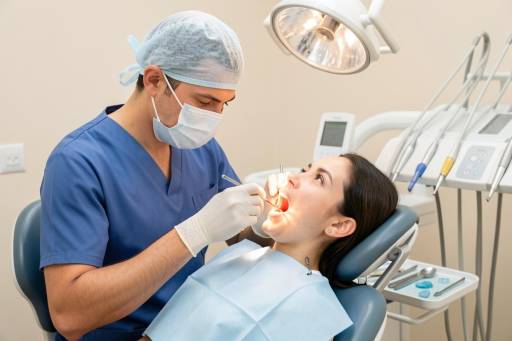
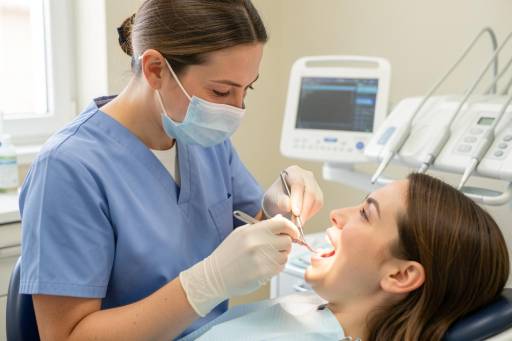
The surgery to remove impacted wisdom teeth involves several carefully planned steps designed to ensure patient safety and comfort throughout the procedure. Initially, your oral surgeon will review your complete medical history and conduct imaging studies, such as X-rays or 3D scans, to precisely assess the position and condition of the impacted teeth. This planning helps determine the most effective surgical approach.
On the day of surgery, anesthesia options will be discussed and administered to keep you comfortable and pain-free. These may include local anesthesia, sedation, or general anesthesia depending on the complexity of the case and patient preference. The surgeon then makes an incision in the gum tissue to access the impacted tooth.
In some cases, it may be necessary to remove a small portion of the surrounding bone or section the tooth into smaller pieces to facilitate easier extraction. After the tooth is removed, the surgical site is thoroughly cleaned to reduce the risk of infection and then sutured closed to promote proper healing.
Your surgeon will provide detailed post-operative care instructions, including guidelines on pain management, oral hygiene practices, dietary restrictions, and activity limitations to support recovery and minimize the risk of complications such as infection or dry socket. Understanding each step of the procedure helps patients feel more prepared and reassured about their treatment.
Recovery and Aftercare: Ensuring a Smooth Healing Process
Recovering from impacted wisdom tooth surgery typically takes several days, with most patients noticing a significant reduction in swelling and discomfort within about a week. Effective pain management during this period is essential for comfort and can be achieved through prescribed medications, over-the-counter pain relievers, and the application of cold compresses to the affected area. These measures help control inflammation and ease soreness.
Maintaining good oral hygiene is critical to prevent infection; however, it is important to avoid disturbing the surgical site by brushing gently around the area and rinsing with a saltwater solution as recommended by your surgeon. Patients should avoid smoking, as it can delay healing and increase the risk of complications such as dry socket.
Refraining from strenuous physical activity and avoiding hard, crunchy, or spicy foods also supports a smoother recovery. Follow-up visits with your dental provider may be scheduled to monitor the healing process, check for any signs of infection or complications, and remove sutures if necessary.
It is important to promptly contact your dental professional if you experience severe pain that is not relieved by medication, prolonged or heavy bleeding, swelling that worsens after several days, fever, or any other signs of infection. Early intervention in these cases helps prevent more serious issues and supports a safe recovery.
Choosing the Right Dental Surgeon for Impacted Wisdom Tooth Surgery
Selecting an experienced oral surgeon or dental professional is vital for ensuring a safe and successful impacted wisdom tooth surgery. It is important to seek out board-certified specialists who have undergone extensive training specifically in oral and maxillofacial surgery. This expertise equips them to handle the complexities of wisdom tooth extractions effectively.
When choosing your surgeon, consider patient reviews and testimonials, as these provide insight into others’ experiences and satisfaction. Referrals from your general dentist or trusted healthcare providers can also guide you to reputable surgeons. Additionally, verifying credentials and professional affiliations helps confirm the provider’s qualifications.
During your consultation, openly discuss any concerns you have, such as the surgical approach they plan to use, the types of anesthesia or sedation options available, and the protocols they follow for post-operative care. A skilled surgeon will customize the procedure to your unique dental anatomy and health status, aiming to minimize risks such as nerve injury, infection, or excessive bleeding.
They will also provide clear instructions for before and after surgery to promote optimal healing. Establishing clear communication and trust with your dental surgeon is crucial, as it contributes significantly to a positive surgical experience and helps you feel confident and informed throughout the treatment process.
Frequently Asked Questions
Q: What are impacted wisdom teeth and why do they need removal?
Get Support From an Oral and Maxillofacial Surgeon
Answer a few short questions and HealthNode will help you connect with the right oral and maxillofacial surgery specialist.
Symptoms and Urgency
This helps us understand whether you may need routine surgical planning or a higher-priority review.
Previous Tests or Surgical Planning
A few details help the surgeon understand what has already been checked and what type of surgical care may be needed.
Health and Surgery Factors
These details help the specialist understand any factors that may affect surgery, anesthesia, or healing.
Contact information
Your information is only used to contact you and is never shared with third parties.
Your request has been received!
Thank you. If you have dental X-rays, panoramic X-ray, CBCT or 3D scan, CT or MRI, referral notes, pathology reports, implant records, previous surgery records, or photos of swelling or injury, please keep them ready. A HealthNode consultant will guide you through the next step.
A: Impacted wisdom teeth are third molars that do not fully emerge or develop properly, often causing pain, infection, or damage to adjacent teeth. Surgical removal is often recommended to prevent complications.
Q: How painful is impacted wisdom tooth surgery?
A: The procedure is typically performed under anesthesia, so patients experience minimal pain during surgery. Post-operative discomfort can be managed with pain medications and usually subsides within a few days.
Q: How long does the recovery take after impacted wisdom tooth surgery?
A: Recovery generally takes about 3 to 7 days, with full healing of the surgical site occurring over a few weeks. Following post-care instructions helps ensure smooth healing.
Q: Are there risks or complications associated with the surgery?
A: As with any surgical procedure, risks include infection, bleeding, nerve injury, or dry socket. Choosing an experienced surgeon and following aftercare instructions reduce these risks.
Q: Can impacted wisdom teeth be removed in a general dental office or only in a hospital?
A: Impacted wisdom teeth are often removed in a dental office by an oral surgeon or experienced dentist. Complex cases may require hospital settings, especially if general anesthesia is needed.
Q: Is wisdom tooth removal covered by insurance?
A: Insurance coverage varies; many plans cover part of the procedure. It is advisable to check with your insurance provider for specific coverage details.
The information provided is for educational purposes only and does not constitute medical advice. Always consult with a healthcare professional for medical guidance specific to your situation.