Quick Answer
Oral and maxillofacial surgery is a specialized surgical field focused on diagnosing and treating diseases, injuries, and defects involving the mouth, jaw, face, and neck, combining dental and surgical expertise to improve both function and appearance.
- Oral and maxillofacial surgery addresses complex conditions affecting oral function and facial aesthetics, including trauma, tumors, and congenital deformities.
- Common procedures include tooth extractions, jaw realignment (orthognathic surgery), facial trauma repair, tumor removal, dental implants, and corrective surgeries for congenital defects.
- Patients may need this surgery for symptoms like persistent facial pain, difficulty chewing, jaw stiffness, dental trauma, impacted teeth, tumors, or congenital abnormalities.
- Oral and maxillofacial surgeons undergo extensive training in both dentistry and surgery to provide advanced, safe, and effective treatment.
- Specialized surgical care offers benefits such as precise diagnosis, individualized treatment plans, patient safety protocols, and access to modern surgical technology.
- Preparation for surgery involves medical evaluations, medication management, anesthesia considerations, and following postoperative care instructions to promote healing.
- Recovery varies by procedure but generally includes managing pain, swelling, maintaining oral hygiene, and avoiding strenuous activity to ensure optimal outcomes.
What Is Oral and Maxillofacial Surgery?
Oral and maxillofacial surgery is a highly specialized branch of surgery focused on diagnosing and treating diseases, injuries, and defects involving the mouth, jaw, face, and neck. This field uniquely combines expertise in both dentistry and surgery to address complex issues that affect not only oral function but also facial aesthetics and overall quality of life. It plays an essential role in comprehensive dental and facial healthcare by managing conditions that require surgical intervention beyond routine dental care.
The scope of oral and maxillofacial surgery encompasses a wide range of procedures, from relatively simple tooth extractions to highly complex reconstructive surgeries. These may include correcting jaw misalignments that impair bite and speech, repairing facial trauma from accidents, removing tumors or cysts, and addressing congenital deformities such as cleft lip and palate. Oral and maxillofacial surgeons undergo extensive training, including medical education and surgical residencies, to provide advanced surgical treatment with a strong focus on patient safety and optimal outcomes.
Whether you require corrective surgery for bite problems, treatment following an accident, removal of impacted teeth, or reconstruction after tumor removal, this specialty offers solutions that improve both function and appearance. Understanding what oral and maxillofacial surgery entails can help you recognize when to seek specialized care and what to expect from treatment. This knowledge is vital for patients worldwide who may benefit from these surgical options to enhance their oral health, facial function, and overall well-being.
Get Support From an Oral and Maxillofacial Surgeon
Answer a few short questions and HealthNode will help you connect with the right oral and maxillofacial surgery specialist.
Symptoms and Urgency
This helps us understand whether you may need routine surgical planning or a higher-priority review.
Previous Tests or Surgical Planning
A few details help the surgeon understand what has already been checked and what type of surgical care may be needed.
Health and Surgery Factors
These details help the specialist understand any factors that may affect surgery, anesthesia, or healing.
Contact information
Your information is only used to contact you and is never shared with third parties.
Your request has been received!
Thank you. If you have dental X-rays, panoramic X-ray, CBCT or 3D scan, CT or MRI, referral notes, pathology reports, implant records, previous surgery records, or photos of swelling or injury, please keep them ready. A HealthNode consultant will guide you through the next step.
Oral and Maxillofacial Surgery: Essential Insights and Impact
Oral and maxillofacial surgery is a specialized surgical field dedicated to diagnosing and treating a wide range of conditions affecting the mouth, jaws, face, and neck. Its origins can be traced back to early dental and medical practices, which over time evolved into a distinct specialty that combines the principles of dentistry with surgical expertise. Today, oral and maxillofacial surgeons are extensively trained to manage complex issues involving bone, soft tissue, and dental structures that require more advanced intervention than routine dental care.
This specialty is crucial because it bridges oral health with overall facial function and aesthetics. Many conditions treated by oral surgeons impact essential activities such as chewing, speaking, breathing, and facial expression. For example, impacted teeth, jaw deformities, facial injuries, tumors, and infections often require surgical management to restore proper function and appearance. Correcting these issues can improve quality of life by alleviating pain, restoring normal bite alignment, and enhancing facial symmetry.
Oral and maxillofacial surgeons collaborate closely with other dental and medical specialists, including orthodontists, prosthodontists, ENT surgeons, and plastic surgeons, to deliver integrated care tailored to each patient’s needs. Their expertise encompasses both functional and cosmetic concerns, ensuring that treatments address health requirements while also considering the patient’s aesthetic goals.
This specialty is internationally recognized and fundamental to advanced dental and facial healthcare. Whether managing trauma, congenital anomalies, or complex dental conditions, oral and maxillofacial surgery plays a vital role in maintaining and restoring oral and facial well-being.
Common Procedures and Treatments in Oral and Maxillofacial Surgery
Oral and maxillofacial surgeons perform a wide variety of procedures designed to treat dental and facial conditions, ranging from relatively simple to highly complex surgeries. One of the most common procedures is tooth extraction, particularly the removal of impacted wisdom teeth. These teeth may be positioned deep within the jawbone or at awkward angles, requiring surgical techniques to safely extract them while minimizing damage to surrounding tissues.
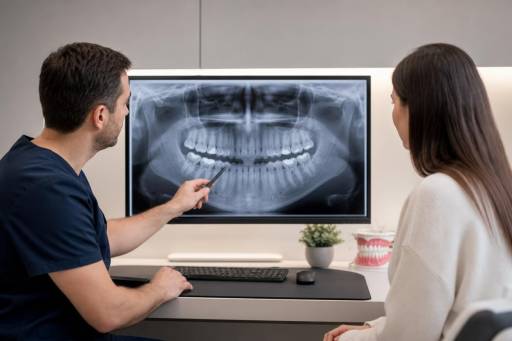
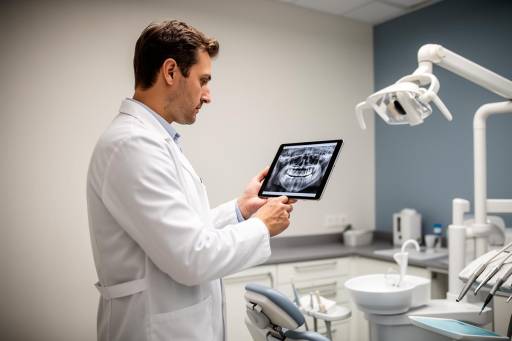
Jaw surgery, also known as orthognathic surgery, is performed to correct jaw misalignment that affects bite function, speech, and facial symmetry. This surgery can significantly improve chewing efficiency, relieve chronic jaw pain, and enhance overall facial balance. Surgeons use detailed imaging and models to carefully plan these procedures, ensuring precise bone repositioning and alignment.
Facial trauma repair is another critical area within this specialty. Injuries such as fractures of the jaw, cheekbones, or eye sockets resulting from accidents or trauma require prompt surgical intervention to restore the facial structure. Proper repair not only preserves vital functions like chewing and vision but also helps maintain or restore the patient’s appearance.
Additional treatments include the removal of cysts or tumors in the oral and facial region, which may involve delicate surgical excision to prevent recurrence and preserve healthy tissue. Dental implant placement is also commonly performed by oral surgeons to replace missing teeth, providing a stable foundation for prosthetic teeth and improving oral function.
Corrective surgeries for congenital defects such as cleft lip and palate are another important aspect of this specialty. These procedures often involve multiple stages and collaboration with other specialists to restore normal anatomy and function.
Each procedure is carefully designed to restore health and functionality while minimizing risks and optimizing recovery time. The surgeon’s expertise ensures that treatment plans are customized to the patient’s unique anatomy and needs, promoting the best possible outcomes.
Who Needs Oral and Maxillofacial Surgery? Recognizing the Signs and Conditions
Certain symptoms and conditions may indicate the need to consult an oral and maxillofacial surgeon for evaluation and possible surgical treatment. Persistent or severe facial pain, difficulty chewing, jaw stiffness, or limited mouth opening could signal underlying problems such as temporomandibular joint (TMJ) disorders, jaw misalignment, or muscle dysfunction that may require specialized surgical intervention.
Dental trauma resulting from accidents or injuries often involves broken or displaced teeth, fractures of the jaw or facial bones, and soft tissue damage. These injuries require prompt and specialized surgical care to restore proper function, appearance, and prevent long-term complications. Similarly, impacted teeth, especially wisdom teeth, that cause pain, swelling, infection, or damage to adjacent teeth often necessitate surgical removal by an oral surgeon.
Other conditions warranting surgical evaluation include benign or malignant tumors and cysts within the oral cavity or jawbones. Early diagnosis and treatment are essential to prevent complications such as bone destruction or spread of disease. Congenital abnormalities affecting the jaws or face, such as cleft lip and palate or craniofacial deformities, also fall under the scope of oral and maxillofacial surgery. These conditions often require coordinated surgical and orthodontic management to improve function and appearance.
Early diagnosis through professional assessment is critical because many of these problems can worsen without timely treatment, leading to increased complexity and risk. If you experience unexplained facial swelling, persistent bite problems, difficulty chewing or speaking, or trauma-related injuries, seeking evaluation by a qualified oral and maxillofacial surgeon can lead to effective treatment plans tailored to your needs and better long-term outcomes.
The Benefits of Choosing Specialized Surgical Care for Facial and Oral Health
Seeking treatment from a specialized oral and maxillofacial surgeon offers several important advantages that can significantly impact your surgical outcomes and overall experience. These surgeons undergo extensive training beyond dental school, including medical education and surgical residency programs, which equip them with advanced expertise in both dentistry and surgery. This unique combination allows them to manage complex conditions involving the mouth, jaws, face, and neck safely and effectively.
Their comprehensive knowledge enables precise diagnosis and development of individualized treatment plans that address both functional needs, such as chewing, speaking, and breathing, and cosmetic considerations to enhance facial aesthetics. This holistic approach ensures that surgical outcomes optimize your oral health while preserving or improving your appearance.
Patient safety is a paramount concern in specialized care. Oral and maxillofacial surgeons adhere to strict surgical protocols and standards designed to minimize risks such as infection, nerve injury, or complications related to anesthesia. They are also trained to handle emergencies and complex cases that require multidisciplinary collaboration, often working alongside other dental and medical specialists to provide integrated care.
Access to modern surgical technology and techniques is another benefit of specialized care. This can include advanced imaging, computer-assisted surgical planning, and minimally invasive procedures that reduce recovery times and improve precision. Choosing a board-certified oral and maxillofacial surgeon ensures you receive expert care tailored to your specific needs, whether you require treatment for trauma, correction of congenital or acquired deformities, or advanced dental surgeries like implant placement or reconstructive procedures.
Ultimately, this level of specialization makes a significant difference in managing both routine and complex cases, providing patients with confidence in their treatment and better overall satisfaction.
Preparing for Your Oral and Maxillofacial Surgery: What Patients Should Know
Preparing well for oral and maxillofacial surgery is key to ensuring a smooth procedure and a successful recovery. Your surgeon will provide detailed preoperative instructions tailored to your specific surgery, which may include necessary medical evaluations such as blood tests, imaging studies, or consultations with your primary care physician or specialists. It’s important to disclose your complete medical history, including any chronic conditions like diabetes or heart disease, as well as all medications, vitamins, and supplements you are taking. Some medications, such as blood thinners, may need to be adjusted or temporarily stopped to reduce the risk of excessive bleeding during surgery.
Depending on the type of anesthesia planned, local, sedation, or general anesthesia, you may be instructed to fast for a certain period before the procedure to reduce the risk of complications like aspiration. Understanding these requirements ahead of time helps you prepare mentally and physically.
After surgery, following your surgeon’s postoperative care instructions carefully is crucial to promote healing and prevent complications. This often includes managing pain with prescribed medications, applying cold compresses to reduce swelling, and maintaining meticulous oral hygiene to prevent infection. You may be advised to avoid smoking, alcohol, and certain foods that could irritate the surgical site. Recovery times vary depending on the complexity of the procedure but generally involve some swelling, bruising, and discomfort for several days to weeks.
Get Support From an Oral and Maxillofacial Surgeon
Answer a few short questions and HealthNode will help you connect with the right oral and maxillofacial surgery specialist.
Symptoms and Urgency
This helps us understand whether you may need routine surgical planning or a higher-priority review.
Previous Tests or Surgical Planning
A few details help the surgeon understand what has already been checked and what type of surgical care may be needed.
Health and Surgery Factors
These details help the specialist understand any factors that may affect surgery, anesthesia, or healing.
Contact information
Your information is only used to contact you and is never shared with third parties.
Your request has been received!
Thank you. If you have dental X-rays, panoramic X-ray, CBCT or 3D scan, CT or MRI, referral notes, pathology reports, implant records, previous surgery records, or photos of swelling or injury, please keep them ready. A HealthNode consultant will guide you through the next step.
During recovery, it’s important to avoid strenuous activity and follow dietary recommendations, such as consuming soft foods and staying hydrated. Keeping open communication with your surgical team ensures that any concerns, such as signs of infection or unusual pain, are promptly addressed. Being proactive in your care and understanding the recovery process can significantly improve your overall experience and outcome.
Frequently Asked Questions
Q: What conditions require oral and maxillofacial surgery?
A: Conditions include impacted teeth, jaw misalignment, facial trauma, cysts, tumors, and congenital defects. A professional evaluation can determine if surgery is needed.
Q: Is oral and maxillofacial surgery painful?
A: Procedures are performed under anesthesia to minimize pain. Postoperative discomfort is managed with medication and usually subsides within days to weeks depending on the surgery.
Q: How long is recovery after jaw surgery?
A: Recovery typically takes several weeks. Swelling and discomfort are common initially, but patients gradually regain normal function with proper care and follow-up.
Q: Can oral surgery improve facial appearance?
A: Yes, many surgeries correct jaw alignment and repair trauma, improving facial symmetry and aesthetics while restoring function.
Q: How do I choose the right oral surgeon?
A: Look for board-certified surgeons with experience in your specific condition. Consider their communication style, facility accreditation, and patient reviews for informed decisions.
The information provided is for educational purposes only and does not constitute medical advice. Always consult with a healthcare professional for medical guidance specific to your situation.