Quick Answer
Oral biopsy surgery is a procedure that removes a small tissue sample from the mouth to diagnose abnormalities or diseases, including oral cancer. It is essential for providing a definitive diagnosis when suspicious lesions or unexplained symptoms are present in the oral cavity.
- Oral biopsy surgery helps detect infections, benign growths, precancerous changes, and oral cancers by examining tissue microscopically.
- There are different types of oral biopsy procedures, including incisional biopsy (removing part of a lesion) and excisional biopsy (removing the entire lesion).
- The procedure is usually performed under local anesthesia and takes only a few minutes, with mild discomfort or swelling afterward.
- Risks of oral biopsy surgery include bleeding, infection, pain, and swelling, but these are generally mild and manageable.
- Early diagnosis through oral biopsy can improve treatment outcomes and survival rates for serious conditions like oral cancer.
- Medical tourism offers access to specialized oral biopsy care with potential cost savings and shorter wait times.
- Biopsy results typically take several days to a week, and follow-up with a healthcare provider is important for further management.
What Is Oral Biopsy Surgery?
Oral biopsy surgery is a medical procedure that involves removing a small sample of tissue from the mouth to diagnose abnormalities or diseases, including cancer. This procedure is essential because it provides definitive information about suspicious lesions, ulcers, or unexplained symptoms within the oral cavity. By examining the tissue under a microscope, healthcare providers can identify infections, inflammatory conditions, or malignancies early, enabling timely and appropriate treatment.
Many patients undergoing oral biopsy surgery experience symptoms such as persistent mouth sores, unexplained lumps, or changes in oral tissue that do not heal. Since these symptoms can be signs of serious conditions, an oral biopsy is often the crucial next step to clarify the diagnosis. Understanding the procedure, its types, and what to expect can help you feel more confident and prepared if a biopsy is recommended.
For international patients, oral biopsy surgery is accessible through specialized medical centers worldwide, often as part of medical tourism. This offers opportunities to receive expert care in accredited facilities, sometimes with cost advantages and shorter waiting times compared to local options. Knowing the basics of the procedure and its importance can help you make informed choices about your oral health care.
Get Support From an Oral and Maxillofacial Surgeon
Answer a few short questions and HealthNode will help you connect with the right oral and maxillofacial surgery specialist.
Symptoms and Urgency
This helps us understand whether you may need routine surgical planning or a higher-priority review.
Previous Tests or Surgical Planning
A few details help the surgeon understand what has already been checked and what type of surgical care may be needed.
Health and Surgery Factors
These details help the specialist understand any factors that may affect surgery, anesthesia, or healing.
Contact information
Your information is only used to contact you and is never shared with third parties.
Your request has been received!
Thank you. If you have dental X-rays, panoramic X-ray, CBCT or 3D scan, CT or MRI, referral notes, pathology reports, implant records, previous surgery records, or photos of swelling or injury, please keep them ready. A HealthNode consultant will guide you through the next step.
Oral Biopsy Surgery: A Critical Diagnostic Procedure
Oral biopsy surgery is primarily a diagnostic tool used to investigate suspicious areas in the mouth that cannot be definitively diagnosed through visual examination alone. This procedure helps detect a variety of oral health issues, including infections, benign growths, precancerous changes, and oral cancers. Early and accurate diagnosis is vital because it guides treatment decisions and improves health outcomes.
The oral cavity is a complex environment where numerous conditions can present with similar symptoms like ulcers, white or red patches, or lumps. Because some of these symptoms may indicate serious diseases such as oral cancer, the biopsy provides a definitive tissue diagnosis. Without biopsy confirmation, treatment might be delayed or inappropriate.
For patients experiencing unexplained oral symptoms that persist beyond two weeks, an oral biopsy is often recommended. This step is crucial to rule out malignancy or other serious conditions and to initiate timely management. Your healthcare provider will explain why an oral biopsy is necessary based on your specific symptoms and clinical findings.
Types of Oral Biopsy Procedures: Which One Is Right for You?
There are several types of oral biopsy procedures, each suited to different clinical situations. The main types include incisional biopsy and excisional biopsy.
An incisional biopsy involves removing only a small portion of the suspicious tissue. This method is used when the lesion is large or located in an area where complete removal might cause functional or cosmetic concerns. It is a diagnostic step to understand the nature of the lesion before deciding on further treatment.
Excisional biopsy entails removing the entire lesion or suspicious area. This approach is preferred when the lesion is small and can be completely taken out without significant impact on oral function or appearance. It serves both diagnostic and therapeutic purposes.
Other biopsy techniques include brush biopsy, where cells are gently scraped from the surface, and fine needle aspiration, mainly used for lumps under the skin or deeper tissues. Your healthcare provider will select the most appropriate technique based on the lesion’s size, location, suspected diagnosis, and your overall health status.
The Oral Biopsy Procedure: What to Expect Before, During, and After
Before the oral biopsy procedure, your healthcare provider will review your medical history and may conduct an examination or imaging to plan the biopsy site. Local anesthesia is typically administered to numb the area, ensuring the procedure is painless. You should inform your provider if you have any allergies or bleeding disorders.
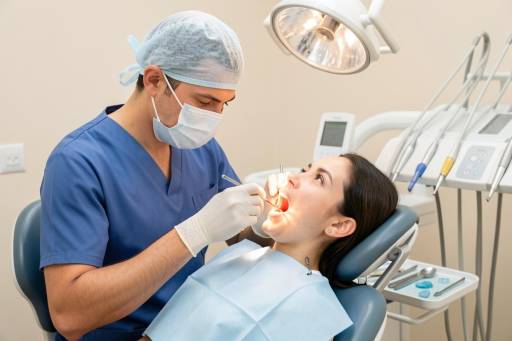
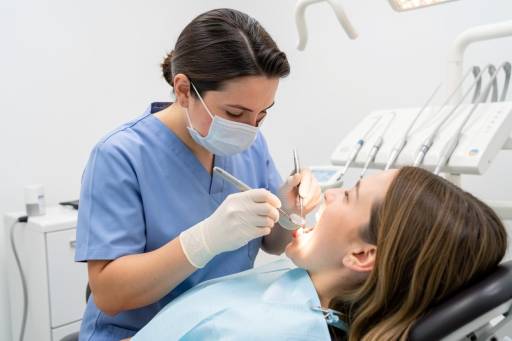
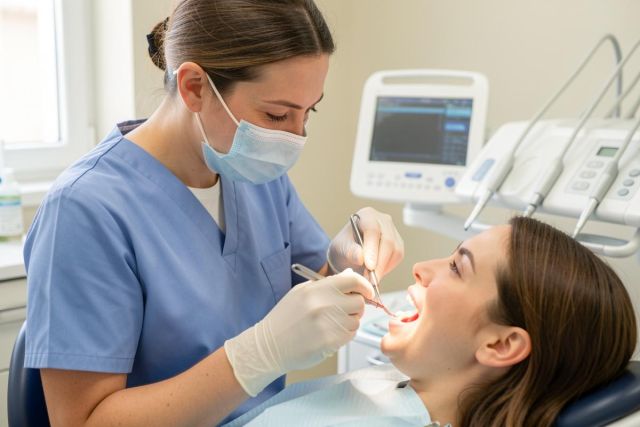
During the procedure, the surgeon or dentist will remove a small tissue sample using a scalpel or biopsy punch. The sample is then sent to a laboratory for microscopic examination by a pathologist. The procedure usually takes only a few minutes.
After the biopsy, you may experience mild discomfort, swelling, or minor bleeding at the site. Your provider will give instructions on oral hygiene, pain management, and signs of complications to watch for. Healing times vary but generally take one to two weeks. Follow-up appointments are important to discuss biopsy results and any further treatment needed.
Knowing what to expect before, during, and after the biopsy can reduce anxiety and help you participate actively in your care.
Risks, Benefits, and When to Seek Medical Advice
Oral biopsy surgery is generally safe, but like any medical procedure, it carries some risks. The most common risks include bleeding, infection, pain, and temporary swelling at the biopsy site. These complications are usually mild and manageable with proper care.
The benefits of oral biopsy are significant because it enables early and accurate diagnosis of potentially serious conditions such as oral cancer. Early detection through biopsy can lead to better treatment outcomes and improved survival rates. Additionally, biopsy can confirm benign conditions, providing reassurance and guiding appropriate treatment.
You should seek immediate medical advice if you experience severe pain, prolonged bleeding, signs of infection such as fever or pus, or if the biopsy site does not heal within the expected timeframe. Consulting a qualified healthcare professional is essential for interpreting biopsy results and planning any necessary further care.
Balancing the risks and benefits, oral biopsy remains a critical step in oral health diagnosis and management.
Why Consider Medical Tourism for Oral Biopsy Surgery?
Medical tourism for oral biopsy surgery offers several advantages for patients seeking specialized care. Access to experienced oral surgeons and advanced diagnostic facilities in internationally accredited hospitals can enhance the quality of care you receive.
Cost savings are often a key benefit, as some countries provide comparable or higher standards of care at more affordable prices than patients’ home countries. This can be particularly important for those without comprehensive dental insurance coverage.
International patients may also benefit from shorter wait times for biopsy procedures and follow-up consultations. Many medical tourism destinations offer patient-centered services including language support, personalized care coordination, and comfortable recovery environments.
Choosing medical tourism for your oral biopsy surgery requires careful research about the destination’s medical credentials, surgeon expertise, and patient reviews to ensure safety and quality. This option can provide effective diagnosis with the convenience of combining treatment with travel.
Get Support From an Oral and Maxillofacial Surgeon
Answer a few short questions and HealthNode will help you connect with the right oral and maxillofacial surgery specialist.
Symptoms and Urgency
This helps us understand whether you may need routine surgical planning or a higher-priority review.
Previous Tests or Surgical Planning
A few details help the surgeon understand what has already been checked and what type of surgical care may be needed.
Health and Surgery Factors
These details help the specialist understand any factors that may affect surgery, anesthesia, or healing.
Contact information
Your information is only used to contact you and is never shared with third parties.
Your request has been received!
Thank you. If you have dental X-rays, panoramic X-ray, CBCT or 3D scan, CT or MRI, referral notes, pathology reports, implant records, previous surgery records, or photos of swelling or injury, please keep them ready. A HealthNode consultant will guide you through the next step.
Frequently Asked Questions
Q: How long does oral biopsy surgery take?
A: Oral biopsy surgery typically takes only a few minutes, often under local anesthesia. Preparation and post-procedure instructions may extend your total visit time. The actual tissue removal is quick and minimally invasive.
Q: Is oral biopsy surgery painful?
A: The procedure is usually done under local anesthesia to numb the biopsy area, so you should not feel pain during the surgery. Mild discomfort or soreness may occur afterward, which can be managed with over-the-counter pain relievers.
Q: What are the risks of oral biopsy surgery?
A: Risks include bleeding, infection, swelling, and mild pain at the biopsy site. These are generally minor and temporary. Serious complications are rare, especially when performed by experienced professionals.
Q: How soon will I get my biopsy results?
A: Biopsy results usually take several days to a week, depending on the laboratory processing times. Your healthcare provider will discuss the findings and recommend next steps based on the diagnosis.
Q: Can oral biopsy surgery detect oral cancer?
A: Yes, oral biopsy surgery is the definitive method to diagnose oral cancer. It allows microscopic examination of tissue to confirm whether cancer cells are present, enabling early and targeted treatment.
The information provided is for educational purposes only and does not constitute medical advice. Always consult with a healthcare professional for medical guidance specific to your situation.