Orthodontic Treatments
Learn how braces and clear aligners correct tooth alignment, bite problems, and jaw relationships.
Overview
View All
-
What Is Surgical Orthodontics?
Learn what surgical orthodontics is, how orthognathic surgery corrects jaw issues, and who benefits from this advanced orthodontic treatment.
-
What Is Adult Orthodontics?
Explore adult orthodontics options, benefits, and considerations to improve your dental health and smile aesthetics in adulthood.
-
What Is Interceptive Orthodontic Treatment?
Interceptive orthodontic treatment guides early dental development to prevent complex issues. Learn its importance, devices used, and signs to watch for.
-
What Are the Main Goals of Orthodontic Treatment?
Explore the main goals of orthodontic treatment, including improving dental function, aesthetics, and oral health for lasting benefits.
Types
View All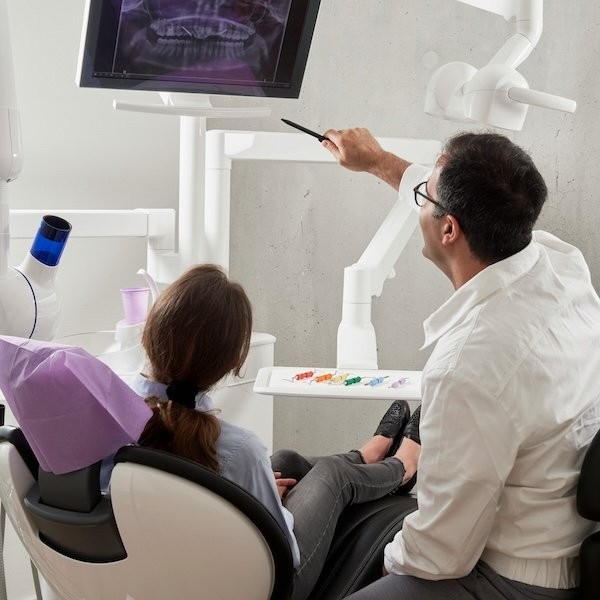
-
What Are Fixed Orthodontic Appliances?
Learn about fixed orthodontic appliances, their types, functions, and care tips for effective teeth alignment and orthodontic treatment.
-
What Are Palatal Expanders?
Learn about palatal expanders, orthodontic devices that widen the palate to improve dental alignment and facial structure. Explore treatment abroad options.
-
What Are Removable Orthodontic Appliances?
Explore removable orthodontic appliances, their types, treatment process, benefits, and how they help improve dental alignment effectively.
-
What Are Ceramic Braces?
Explore ceramic braces as an aesthetic orthodontic option, their benefits, treatment process, and suitability for adults and teens.
Need guidance beyond these articles?
Connect with our coordination team to understand your options and choose a suitable next step for your condition.
Get Free ConsultationPlanning and Procedure
View All
-
Can Orthodontic Treatment Be Transferred to Another Orthodontist?
Learn how to transfer orthodontic treatment smoothly, understand your rights, and prepare for a new consultation with an orthodontist.
-
What Factors Affect the Length of Orthodontic Treatment?
Explore key factors that affect orthodontic treatment length, including age, misalignment severity, and appliance types to better plan your journey.
-
How Often Are Orthodontic Appointments Needed?
Discover the typical schedule for orthodontic appointments and what influences their frequency to ensure effective treatment and lasting results.
-
How Is Treatment Length Estimated in Orthodontics?
Discover how orthodontists estimate treatment length, considering key factors and professional assessment to set realistic expectations for your orthodontic journey.
Cost
View All
-
Orthodontic Treatment in Turkey From Manchester: What Is the Total Cost With Follow-Up Travel?
Orthodontic treatment in Turkey from Manchester offers a cost-effective option including travel, accommodation, and follow-ups for your budget planning.
-
How Does the Cost of Braces in Turkey Compare With Private Orthodontic Treatment in Bristol?
Braces cost in Turkey is often significantly lower than private orthodontic treatment in Bristol, offering affordable options with quality care.
-
What Costs Should Edinburgh Patients Consider Before Starting Orthodontic Treatment in Turkey?
Orthodontic treatment costs for Edinburgh patients in Turkey include braces fees, travel, accommodation, and extra expenses for full budget planning.
-
How Should UK Patients Budget for Multiple Orthodontic Visits to Turkey?
Orthodontic treatment cost in Turkey requires budgeting for treatment, travel, accommodation, and payment options to manage multiple visits affordably.
Need guidance beyond these articles?
Connect with our coordination team to understand your options and choose a suitable next step for your condition.
Get Free ConsultationResults, Risks and Aftercare
View All
-
What Results Can Orthodontic Treatment Achieve?
Discover the results orthodontic treatment can achieve, from improved dental alignment to enhanced confidence and oral health.
-
Can Orthodontic Treatment Results Last a Lifetime?
Learn how orthodontic treatment results can last a lifetime with proper maintenance, retainers, and good dental health practices.
-
Can Orthodontic Treatment Make Teeth Loose?
Learn how orthodontic treatment affects tooth stability and what to expect during braces or aligners. Stay informed for healthy teeth.
-
Can Braces Increase the Risk of Tooth Decay?
Explore how braces can affect tooth decay risk and learn effective prevention tips for maintaining dental health during orthodontic treatment.
Orthodontic Treatments
Orthodontic treatments are used to correct the position of teeth and jaws, improve bite relationships, and create a more balanced and functional smile. Treatment may be recommended for crowded teeth, gaps, protruding teeth, rotated teeth, overbite, underbite, crossbite, open bite, or jaw growth differences.
Poor dental alignment can affect more than appearance. It may contribute to difficulty cleaning the teeth, uneven tooth wear, gum problems, chewing difficulties, jaw discomfort, speech concerns, or an increased risk of dental trauma.
Orthodontic treatment can be performed using traditional metal braces, ceramic braces, lingual braces, removable appliances, clear aligners, functional appliances, or combinations of these systems. The best option depends on the patient’s age, diagnosis, treatment complexity, lifestyle, and ability to follow instructions.
Treatment begins with an orthodontic examination. Records may include photographs, digital scans, dental models, panoramic X-rays, cephalometric imaging, and bite analysis. The orthodontist evaluates tooth position, root alignment, jaw structure, facial proportions, and growth patterns.
Fixed braces use brackets and wires to apply controlled pressure to the teeth. Clear aligners use a planned series of removable trays to move the teeth gradually. Aligners must usually be worn for most of the day and require strong patient compliance.
Some patients need tooth extraction, dental expansion, temporary anchorage devices, interproximal enamel reduction, or jaw surgery as part of treatment. Children may benefit from early intervention when jaw growth or erupting teeth can still be influenced.
Treatment duration varies from several months to several years. More complex bite problems generally require longer treatment. Regular appointments are necessary to monitor progress and adjust the appliances.
After active treatment, retainers are used to help maintain the new tooth positions. Teeth naturally tend to shift over time, making long-term retainer use important.
Potential risks include temporary discomfort, mouth irritation, tooth decay around brackets, gum inflammation, root shortening, enamel damage, relapse, and treatment delays caused by missed appointments or poor appliance use.
Orthodontic costs depend on the appliance type, treatment duration, complexity, country, specialist fees, and whether additional procedures are needed.