Quick Answer
Orthodontic treatments are dental procedures that correct misaligned teeth and jaws by applying gentle, consistent pressure over time to gradually guide teeth into better alignment. These treatments improve both the function and appearance of teeth and jaws.
- Orthodontic treatments address issues like malocclusion, crowding, and spacing to improve oral function and aesthetics.
- Common devices include traditional braces, clear aligners, lingual braces, and other appliances like palatal expanders and retainers.
- Treatment begins with a thorough evaluation and involves regular adjustments over a period typically ranging from one to two years.
- Retention after active treatment is important to maintain the new alignment and prevent relapse.
- Orthodontic care benefits include improved chewing, speech, oral hygiene, reduced risk of tooth decay and gum disease, and enhanced self-confidence.
- Orthodontic treatments are suitable for people of various ages, including adults, with modern options being more discreet and comfortable.
- Choosing a qualified orthodontist and having clear communication about treatment goals and plans are essential for successful outcomes.
What Are Orthodontic Treatments and How Do They Work?
Orthodontic treatments are specialized dental procedures aimed at correcting misaligned teeth and jaws to improve both function and appearance. These treatments work by applying gentle, consistent pressure over time, gradually guiding teeth into better alignment. This process addresses common dental issues such as malocclusion (improper bite), crowding, and spacing problems, which can affect not only the aesthetics of your smile but also your overall oral health and function.
If you are considering orthodontic care, understanding the basics can help you make informed decisions. Orthodontics encompasses a variety of devices and techniques designed to correct dental irregularities, ranging from traditional braces to modern clear aligners. People seek orthodontic treatments for multiple reasons, including cosmetic enhancement, improved chewing ability, clearer speech, and easier oral hygiene.
By realigning teeth and jaws, orthodontic treatments can also reduce the risk of tooth decay, gum disease, and jaw discomfort caused by uneven bite forces or misalignment. These benefits extend beyond appearance to promote healthier oral function and long-term dental stability. Orthodontic care is suitable for individuals of various ages, including teenagers and adults, with treatment options now more accessible and discreet than ever before.
Find the Right Orthodontic Treatment for Your Smile
Answer a few short questions and HealthNode will help you connect with the right orthodontist for braces, clear aligners, or bite correction.
Treatment Preferences
This helps us understand which orthodontic option may fit your lifestyle and expectations.
Dental and Bite Details
A few details help the orthodontist understand whether you may need simple alignment, bite correction, or a more detailed treatment plan.
Contact information
Your information is only used to contact you and is never shared with third parties.
Your request has been received!
Thank you. If you have recent dental photos, dental X-rays, panoramic X-ray, cephalometric X-ray, intraoral scan, previous braces or aligner records, retainer records, or orthodontic treatment plans, please keep them ready. A HealthNode consultant will guide you through the next step.
Having a clear understanding of how orthodontic treatments work and what they aim to achieve empowers patients to actively participate in their dental health journey and set realistic expectations for treatment outcomes.
Comprehensive Insights into Orthodontic Treatments
Orthodontic treatments are designed to correct problems related to tooth alignment and jaw positioning, which can significantly impact oral function and overall dental health. Common reasons for seeking orthodontic care include malocclusion, an improper bite caused by misaligned teeth or jaws, as well as issues such as overcrowding, gaps between teeth, and protruding teeth. These conditions not only affect the appearance of your smile but can also interfere with chewing, speaking, and maintaining good oral hygiene.
The primary goal of orthodontic treatment is to improve the alignment of your teeth and jaws to enhance both function and aesthetics. By carefully moving teeth into more optimal positions, orthodontics can help you chew and speak more effectively while reducing abnormal wear and tear on your teeth. Proper alignment also facilitates easier cleaning, which lowers the risk of cavities and gum disease, contributing to long-term dental health.
Orthodontic care is not limited to children and teenagers; adults can also benefit significantly from treatment. Advances in technology have made orthodontic options more discreet, comfortable, and convenient, expanding accessibility to a wider range of patients. Understanding the reasons behind orthodontic treatment and its intended outcomes can help you appreciate its value in maintaining a healthy, attractive smile throughout your life.
By being informed about the nature of these treatments, you can better collaborate with your orthodontist to select the most appropriate approach for your individual needs and goals.
Types of Orthodontic Devices and How They Work
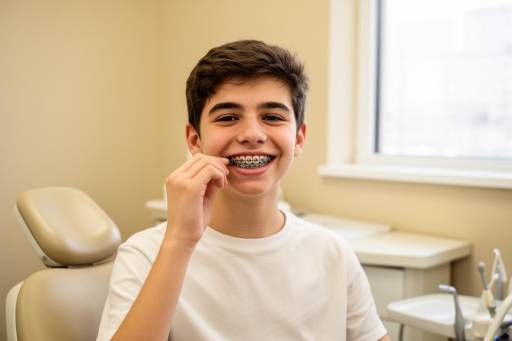
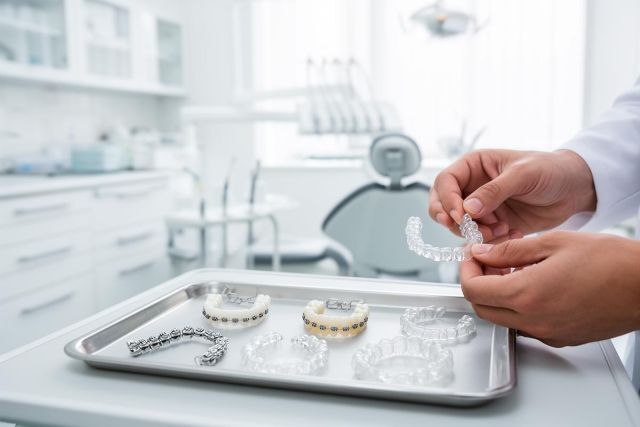
Several types of orthodontic devices are available to help adjust teeth and jaw positioning, each with its own advantages and considerations. Traditional braces are the most common option and consist of brackets bonded to the front surfaces of the teeth, connected by wires. These wires are periodically tightened or adjusted to apply controlled pressure that gradually moves teeth into their desired positions. Braces are effective for a wide range of orthodontic issues but are more visible and require careful oral hygiene to prevent plaque buildup.
Clear aligners have become a popular alternative to traditional braces. These are custom-made, removable trays that fit snugly over your teeth. Each set of aligners applies targeted pressure to shift teeth incrementally, and you typically switch to a new set every few weeks as treatment progresses. Clear aligners offer a discreet and flexible option, allowing for easier cleaning and the ability to remove them for eating or special occasions. However, they require patient compliance to be effective.
Less common but valuable options include lingual braces, which are attached to the back (tongue side) of the teeth, making them virtually invisible from the front. These can be more challenging to clean and may cause initial discomfort but are a good choice for patients seeking a hidden treatment method. Additionally, various orthodontic appliances such as palatal expanders, headgear, or retainers may be used to address specific issues like jaw widening or to maintain alignment after active treatment.
Each device works by exerting controlled forces on teeth and surrounding bone structures, allowing gradual remodeling over time to achieve proper alignment. The choice of device depends on factors such as the severity of your dental condition, lifestyle preferences, aesthetic concerns, and your orthodontist’s recommendations. Discussing these options thoroughly will help you select the most suitable treatment plan for your individual needs.
The Orthodontic Treatment Process: What Patients Can Expect
Orthodontic treatment typically begins with a comprehensive consultation during which your orthodontist conducts a thorough evaluation of your dental health. This assessment often includes a clinical examination, X-rays, and impressions or digital scans of your teeth. These diagnostic tools help identify any alignment issues, bite irregularities, or jaw discrepancies that need correction, allowing the orthodontist to develop a personalized treatment plan tailored to your specific needs.
Once the treatment plan is finalized, the process of fitting orthodontic devices such as braces or clear aligners begins. These appliances apply gentle, continuous pressure to gradually move your teeth into the desired position. Following the initial placement, you will have regular follow-up appointments, usually every four to eight weeks, during which your orthodontist will monitor progress and make necessary adjustments to ensure optimal movement. These visits are crucial for addressing any discomfort, managing device maintenance, and modifying the treatment plan if needed.
The total duration of orthodontic treatment varies widely depending on the complexity of your case, but it generally ranges from one to two years. After the active phase of treatment concludes, a retention phase follows. During this period, you will wear retainers designed to maintain your new tooth alignment and prevent relapse. Retainers may be removable or fixed, and adherence to your orthodontist’s instructions regarding their use is vital for preserving your results.
Post-treatment care also involves maintaining excellent oral hygiene and scheduling regular dental check-ups to ensure your teeth and gums remain healthy. Understanding the entire treatment process, including the commitment required for follow-up and retention, helps set realistic expectations and encourages patients to stay engaged and compliant, ultimately leading to successful, long-lasting outcomes.
Benefits and Considerations of Orthodontic Treatment
Orthodontic treatment offers a wide range of benefits that extend well beyond improving the appearance of your smile. Properly aligned teeth contribute significantly to better oral health by making it easier to clean between teeth and along the gumline, which helps reduce the risk of cavities and periodontal disease. Correcting bite issues can also alleviate jaw pain, prevent abnormal wear on teeth, and improve speech clarity by ensuring proper jaw and tongue positioning.
In addition to these functional advantages, a more attractive smile can greatly enhance self-confidence and social interactions, which positively impacts overall emotional well-being. Feeling comfortable with your smile may encourage you to engage more openly in personal and professional situations.
Orthodontic care also supports long-term dental function by addressing structural imbalances that, if left untreated, could lead to more serious problems such as temporomandibular joint disorders or uneven tooth wear. However, it is important to consider that the costs of orthodontic treatment can vary widely depending on the type of devices used, treatment duration, and geographic location. While the initial investment may seem significant, it is often cost-effective in the long run by potentially preventing more complex and costly dental issues.
Maintenance plays a crucial role throughout and after treatment. This includes diligent oral hygiene practices, such as brushing and flossing regularly, and carefully following your orthodontist’s instructions regarding device care and retainer use. Understanding these benefits and considerations thoroughly will help you make a well-informed decision about whether orthodontic treatment is the right choice for your dental health and lifestyle.
Choosing the Right Orthodontist and Treatment Plan
Selecting the right orthodontist is a critical step toward achieving a successful and satisfying treatment outcome. It is important to choose a licensed professional who has undergone specialized training in orthodontics, as this ensures they have the expertise required to handle complex dental alignment issues safely and effectively. In addition to verifying credentials, looking for board certification and membership in reputable dental organizations can serve as reliable indicators of an orthodontist’s commitment to maintaining high standards of care and staying current with advances in the field.
During your initial consultation, it is essential to have a detailed discussion about your specific treatment goals, the various options available to you, the expected duration of treatment, and the associated costs. A well-crafted treatment plan should be individualized to address your unique dental anatomy, preferences, and lifestyle considerations. This plan will typically outline the type of devices to be used, the anticipated timeline for each phase, and any potential challenges or adjustments that may arise.
Building trust and maintaining open communication with your orthodontist throughout the treatment process is equally important. Your orthodontist should take the time to explain procedures clearly, answer all your questions patiently, and be receptive to your concerns. Their approachability and willingness to modify the treatment plan as your needs evolve can greatly enhance your comfort and confidence.
Find the Right Orthodontic Treatment for Your Smile
Answer a few short questions and HealthNode will help you connect with the right orthodontist for braces, clear aligners, or bite correction.
Treatment Preferences
This helps us understand which orthodontic option may fit your lifestyle and expectations.
Dental and Bite Details
A few details help the orthodontist understand whether you may need simple alignment, bite correction, or a more detailed treatment plan.
Contact information
Your information is only used to contact you and is never shared with third parties.
Your request has been received!
Thank you. If you have recent dental photos, dental X-rays, panoramic X-ray, cephalometric X-ray, intraoral scan, previous braces or aligner records, retainer records, or orthodontic treatment plans, please keep them ready. A HealthNode consultant will guide you through the next step.
It is advisable to research multiple providers, seek recommendations from trusted sources, and possibly meet with more than one orthodontist before making a decision. This thorough approach helps ensure you find a practitioner whose expertise, communication style, and treatment philosophy align well with your expectations, making your orthodontic journey a positive and empowering experience.
Frequently Asked Questions
Q: How long does orthodontic treatment typically last?
A: The duration varies depending on individual cases, but most treatments last between 12 to 24 months.
Q: Are orthodontic treatments painful?
A: Some discomfort is common, especially after adjustments, but it is generally manageable and temporary.
Q: Can adults get orthodontic treatment?
A: Yes, orthodontic treatments are suitable for adults and can effectively improve dental alignment at any age.
Q: What are the latest advancements in orthodontic technology?
A: Recent innovations include clear aligners, faster treatment options, and more discreet appliances.
Q: How do I know if I need orthodontic treatment?
A: A consultation with an orthodontist can assess your dental health and determine if treatment is necessary.
The information provided is for educational purposes only and does not constitute medical advice. Always consult with a healthcare professional for medical guidance specific to your situation.