Quick Answer
A child might need dental treatment under general anesthesia if they have severe anxiety, require extensive dental procedures, or have special medical or behavioral conditions that prevent cooperation during dental visits. General anesthesia ensures safe and effective treatment when other sedation methods or behavioral strategies are insufficient.
- General anesthesia is used for children who cannot tolerate dental procedures due to anxiety, extensive work, or special health needs.
- Children with severe dental fear, developmental delays, or medical conditions may require general anesthesia for safe treatment.
- Extensive dental procedures needing multiple treatments in one visit often necessitate general anesthesia to keep the child still and comfortable.
- Safety protocols include thorough preoperative assessments, continuous monitoring during the procedure, and careful post-treatment observation.
- Alternatives to general anesthesia include mild sedation and behavioral management techniques, which are used when appropriate.
- Post-treatment care involves monitoring for side effects, managing pain, and following dietary and activity guidelines to ensure smooth recovery.
- Decisions about anesthesia use are individualized, considering the child's health, behavior, and treatment complexity, with a focus on safety and emotional well-being.
When Might a Child Need Dental Treatment Under General Anesthesia?
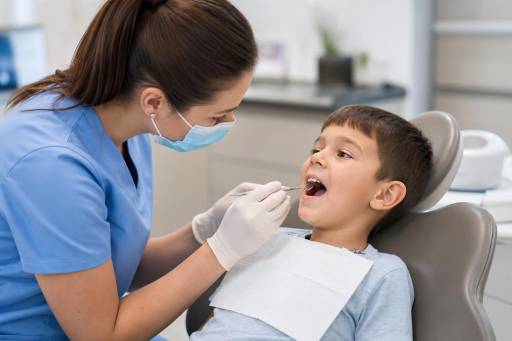
Dental treatment under general anesthesia may be necessary for children who cannot tolerate dental procedures due to anxiety, extensive dental work, or special medical conditions. This approach ensures that children receive safe and effective dental care when other sedation methods or behavioral strategies are not sufficient.
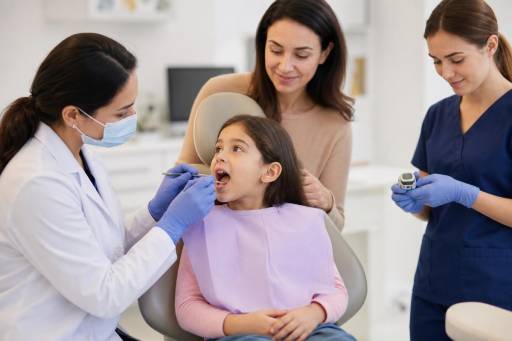
Many children experience fear or anxiety about dental visits, which can make even simple procedures stressful and difficult to complete. In some cases, children have medical or developmental issues that prevent them from cooperating during treatment, making general anesthesia a practical solution. This method allows multiple treatments to be completed in a single visit, reducing the need for repeated appointments and minimizing overall stress for both the child and family.
Understanding when general anesthesia is appropriate and how it is safely administered can help parents feel more confident in planning dental treatment. Medical professionals carefully evaluate each child's needs, considering factors like age, medical history, and behavioral challenges, to determine the safest and most effective option for their dental health.
Find the Right Dental Care for Your Child
Answer a few short questions and HealthNode will help you connect with the right pediatric dentist or child-friendly dental specialist.
Symptoms and Comfort
This helps us understand whether your child may need routine care, cavity treatment, urgent dental review, or a child-friendly approach.
Previous Dental Care and Treatment Interest
A few details help the dentist understand what type of pediatric dental care may be most suitable.
Final Details
Share anything important so the pediatric dentist can better understand your child’s needs.
Contact information
Your information is only used to contact you and is never shared with third parties.
Your request has been received!
Thank you. If you have dental X-rays, photos of the tooth or gums, previous treatment notes, orthodontic records, medication history, or details about pain, swelling, injury, or cavities, please keep them ready. A HealthNode consultant will guide you through the next step.
Signs Your Child May Require Dental Treatment Under General Anesthesia
Several signs indicate that a child might need dental treatment under general anesthesia. One common reason is severe dental anxiety or fear that prevents cooperation during routine dental visits. Children who cry excessively, resist treatment, or have a history of traumatic dental experiences may not tolerate procedures without sedation, making general anesthesia a compassionate option to avoid further psychological harm.
Extensive dental procedures requiring multiple treatments in one visit also call for general anesthesia to ensure the child remains still and comfortable throughout. Examples include treating widespread tooth decay, extractions, or complex restorations that cannot be safely or effectively completed during awake visits.
Special health considerations such as young age, developmental delays, or certain medical conditions may make it difficult for children to cooperate or remain still. In such cases, general anesthesia provides a safe way to perform necessary dental work without causing undue stress or risking injury. Additionally, children with certain behavioral challenges or communication difficulties may benefit from anesthesia to facilitate treatment that would otherwise be impossible.
If your child shows signs of extreme anxiety, has a high treatment need, or has special health issues, discussing the possibility of dental treatment under general anesthesia with your pediatric dentist can help determine the best approach. This decision is made with careful evaluation of risks and benefits, always prioritizing the child's safety and emotional well-being.
Medical Conditions and Behavioral Factors That Influence Anesthesia Use in Children
Certain medical and behavioral factors increase the likelihood that a child will require general anesthesia for dental care. Children with developmental disorders like autism spectrum disorder or intellectual disabilities often struggle with sensory sensitivities and cooperation during dental visits. These challenges can make general anesthesia the safest and most effective option to ensure necessary dental treatment is completed without causing distress or trauma.
Behaviorally, children who exhibit extreme fear, limited communication skills, or an inability to understand or follow instructions may not tolerate dental procedures without sedation. Managing such patients safely often involves anesthesia to prevent distress and ensure the quality of treatment, especially when procedures are invasive or lengthy.
Medical considerations such as heart or lung conditions, seizures, or other systemic illnesses can also influence anesthesia decisions. In these cases, dental professionals work closely with anesthesiologists and medical teams to tailor anesthesia plans that minimize risks while addressing dental needs. For example, children with respiratory issues may require specialized monitoring during anesthesia.
Overall, behavioral management techniques are attempted first, but when those are insufficient or unsafe, general anesthesia provides a controlled environment for comprehensive dental care. This approach balances the child's comfort and safety with the need to deliver effective treatment, recognizing the unique challenges presented by each patient's medical and behavioral profile.
Safety and Preparation for Dental Procedures Under General Anesthesia in Children
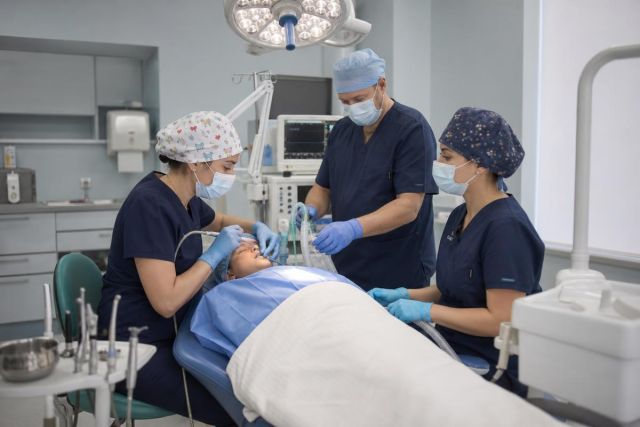
Safety protocols for dental treatment under general anesthesia in children are designed to minimize risks and ensure a smooth procedure. Prior to anesthesia, the child undergoes a thorough preoperative assessment. This includes reviewing the medical history and sometimes conducting laboratory tests to confirm the child's suitability for anesthesia and to identify any potential risks.
This evaluation allows the anesthesia team to tailor the anesthesia plan to the child's specific health needs. Factors such as allergies, previous reactions to anesthesia, and current medications are carefully considered. Parents receive detailed instructions on how to prepare their child, including fasting guidelines and medication management, which are crucial for reducing complications like aspiration or adverse drug interactions.
During the procedure, trained pediatric anesthesiologists continuously monitor vital signs such as heart rate, oxygen levels, and blood pressure. This vigilance ensures that any changes are detected promptly and managed effectively. The dental team is also prepared to handle emergencies, maintaining high standards of care through specialized training and advanced equipment.
After the dental treatment, the child is observed in a recovery area until the effects of anesthesia wear off. Pain management and safety monitoring continue as needed during this period. Parents are provided with clear guidance on post-anesthesia care and signs to watch for once the child returns home, helping to ensure their child's well-being throughout the entire process.
Alternatives to General Anesthesia in Pediatric Dentistry and When They Are Appropriate
Not all children require general anesthesia for dental treatment. There are several alternatives that can be effective depending on the child's needs and the complexity of the procedure. Mild sedation techniques, such as nitrous oxide (laughing gas) or oral sedatives, are commonly used to reduce anxiety and improve cooperation in children who experience moderate fear. These methods allow the child to remain conscious and responsive while feeling relaxed, making dental visits more manageable without the risks associated with general anesthesia.
Behavioral management strategies are another important alternative. Techniques like tell-show-do, positive reinforcement, and distraction help build trust and reduce anxiety in cooperative children or those with minimal dental needs. These approaches do not involve medication and aim to foster positive associations with dental care over time.
Some children also benefit from gradual desensitization, where they become accustomed to the dental environment through repeated, non-threatening visits. This method can increase comfort and cooperation during treatment. General anesthesia is typically reserved for cases where these alternatives are insufficient, such as when treatment is extensive or when medical or behavioral factors require a controlled environment.
The decision to use general anesthesia involves careful consideration of the child's overall health, the complexity of the dental work, and the potential risks and benefits. Dental professionals collaborate closely with parents to choose the safest and most comfortable approach for the child throughout the treatment process.
Post-Treatment Care and Monitoring After Dental Procedures with General Anesthesia
After dental treatment under general anesthesia, your child will require careful monitoring during the recovery phase. The anesthesia team closely observes vital signs and responsiveness until the child wakes fully and can maintain their airway independently. This vigilant observation is essential to ensure a safe transition from anesthesia back to normal consciousness without complications.
Mild side effects such as drowsiness, nausea, or throat soreness are common after anesthesia but usually resolve within a few hours. Parents should follow the dentist's instructions carefully regarding pain relief, diet, and activity restrictions to support healing and minimize discomfort.
It is important to keep your child calm and avoid strenuous activities until the dental team clears them. Sudden movements or physical exertion could interfere with recovery or cause injury. Once the child is awake and able to swallow comfortably, adequate hydration and nutrition are encouraged, starting with soft, bland foods to avoid irritation.
Follow-up visits may be scheduled to assess healing and address any concerns, such as signs of infection or prolonged pain. Prompt communication with your dentist is crucial if you notice unusual symptoms, including persistent vomiting, difficulty breathing, or excessive bleeding.
By adhering to these post-treatment care guidelines, parents can help ensure their child's comfort and promote a smooth healing process after dental procedures performed under general anesthesia.
Frequently Asked Questions
Q: Is general anesthesia safe for children during dental treatment?
Find the Right Dental Care for Your Child
Answer a few short questions and HealthNode will help you connect with the right pediatric dentist or child-friendly dental specialist.
Symptoms and Comfort
This helps us understand whether your child may need routine care, cavity treatment, urgent dental review, or a child-friendly approach.
Previous Dental Care and Treatment Interest
A few details help the dentist understand what type of pediatric dental care may be most suitable.
Final Details
Share anything important so the pediatric dentist can better understand your child’s needs.
Contact information
Your information is only used to contact you and is never shared with third parties.
Your request has been received!
Thank you. If you have dental X-rays, photos of the tooth or gums, previous treatment notes, orthodontic records, medication history, or details about pain, swelling, injury, or cavities, please keep them ready. A HealthNode consultant will guide you through the next step.
A: When administered by trained professionals and with proper precautions, general anesthesia is considered safe for children undergoing dental procedures. Medical teams follow strict protocols to minimize risks and ensure patient well-being throughout the process.
Q: At what age might a child need dental treatment under general anesthesia?
A: Children of various ages may require general anesthesia, especially if they have extensive dental needs or behavioral challenges. There is no specific minimum age; the decision depends on individual circumstances and treatment complexity.
Q: What are the signs that my child might need anesthesia for dental work?
A: Signs include severe dental anxiety, inability to cooperate, extensive tooth decay, or special health conditions complicating treatment. If your child experiences distress during dental visits or requires multiple procedures, anesthesia might be recommended.
Q: How can I prepare my child for dental treatment under anesthesia?
A: Follow your dentist's preoperative instructions carefully, including fasting and medication guidelines. Discuss any concerns with the dental team and ensure all medical assessments are completed to support a safe procedure.
Q: Are there risks associated with dental treatment under general anesthesia?
A: While generally safe, risks exist as with any medical procedure. These risks are minimized by thorough evaluations and care from experienced anesthesiologists and dental professionals.
Q: What should I expect during recovery after anesthesia?
A: Recovery involves monitoring until anesthesia effects wear off, managing discomfort, and following post-operative care instructions. Most children recover quickly but may experience mild side effects like drowsiness or throat soreness.
The information provided is for educational purposes only and does not constitute medical advice. Always consult with a healthcare professional for medical guidance specific to your situation.