How Can Dental Treatment Results Be Protected Long Term?
Protect your dental treatment results long term with proper oral hygiene, regular check-ups, and healthy lifestyle choices for lasting dental health.
Find practical information about recovery after dental treatment, including pain management, eating, oral hygiene, follow-up appointments, healing times, maintenance, and long-term treatment results.
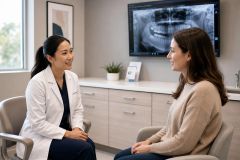
Protect your dental treatment results long term with proper oral hygiene, regular check-ups, and healthy lifestyle choices for lasting dental health.

Explore how diet influences the durability of dental treatments with expert insights on nutrients, foods to avoid, and lifestyle tips for lasting oral health.

Learn how smoking affects dental healing after treatment and get expert advice to support your recovery and oral health.
Get a free consultation and talk through symptoms, treatment options, and possible care paths with our coordination team.
Get Free Consultation
Proper post-dental care is essential for healing and oral health. Learn effective recovery tips and when to contact your dentist.

Learn safe practices for drinking hot or cold beverages after dental treatment to support healing and reduce discomfort.

Learn about dental recovery time after common procedures and tips for managing healing. Understand factors affecting dental recovery speed.

Explore key factors affecting recovery after dental treatment, including patient health, clinic choice, and post-care tips for faster healing.

Learn what to expect after dental treatment, including recovery tips, common side effects, and when to contact your dentist for smooth healing.
Recovery after dental treatment depends on the type and complexity of the procedure. Some patients can return to their normal routine immediately after a dental examination, cleaning, filling, or whitening appointment. Other procedures, such as tooth extraction, dental implant surgery, gum surgery, bone grafting, or full-mouth rehabilitation, may require a longer healing period and more detailed aftercare.
Understanding what to expect after treatment can help patients prepare for recovery, manage temporary side effects, and recognize symptoms that may require professional attention. The dentist should provide instructions based on the procedure and the patient’s individual health needs.
Temporary sensitivity, tenderness, swelling, minor bleeding, or jaw discomfort may occur after certain treatments. Local anaesthesia can also cause temporary numbness of the lips, tongue, cheek, or surrounding tissues. Patients should avoid biting or chewing numb areas until normal sensation returns.
Pain-management recommendations vary according to the procedure and the patient’s medical history. Patients should only use medications as instructed by their dentist or another qualified healthcare professional. They should inform the dental team about allergies, existing medications, stomach problems, kidney or liver conditions, pregnancy, bleeding disorders, or other health factors that could affect medication choices.
Eating and drinking instructions may differ between treatments. After a filling, crown, veneer, extraction, implant procedure, or oral surgery, patients may be advised to avoid very hard, sticky, hot, cold, spicy, or acidic foods for a period of time. A softer diet may be recommended during the early stages of healing.
Patients who have undergone extraction or oral surgery may need to avoid actions that disturb the surgical site. The dental team may provide specific guidance regarding rinsing, drinking through a straw, smoking, alcohol consumption, physical activity, and cleaning around the treated area. These instructions should be followed carefully because the needs of each procedure are different.
Oral hygiene remains important during recovery, but brushing and flossing may need to be modified temporarily. Patients may be asked to clean the surrounding teeth gently, avoid direct pressure on a surgical area, or use a prescribed mouth rinse. Long-term results are strongly influenced by daily brushing, interdental cleaning, professional maintenance, and management of gum health.
The healing timeline differs significantly between dental procedures. Minor irritation after a routine treatment may settle within a short period, while soft-tissue healing after surgery can take longer. Bone healing and integration around a dental implant may require several months. Orthodontic treatment and full-mouth rehabilitation may progress through multiple stages, with adjustments and monitoring throughout the process.
Temporary restorations are sometimes used while the mouth heals or while the dental laboratory prepares the final teeth. Patients should understand how to care for temporary crowns, bridges, dentures, or implant restorations. A temporary restoration may not have the same strength, appearance, or fit as the final version and should be treated carefully.
Follow-up appointments allow the dentist to evaluate healing, remove sutures when necessary, check the bite, adjust restorations, and identify early signs of complications. Even when the patient feels comfortable, follow-up care may remain important. Missing scheduled appointments can delay the final stage of treatment or allow minor problems to develop unnoticed.
The long-term durability of dental treatment varies. Fillings, crowns, bridges, veneers, dentures, implants, and orthodontic retainers may eventually require maintenance, repair, adjustment, or replacement. Their lifespan can be affected by the material used, treatment quality, oral hygiene, diet, smoking, teeth grinding, bite forces, gum health, accidents, and attendance at routine dental examinations.
Dental implants are designed to function as long-term replacements for missing teeth, but they still require professional monitoring and daily cleaning. The crown or bridge attached to an implant may have different maintenance needs from the implant itself. Gum inflammation and bone loss can develop around implants when plaque is not effectively controlled.
Crowns, veneers, and bridges may be damaged by biting hard objects, grinding the teeth, or using the teeth to open packaging. Patients who grind or clench their teeth may be advised to use a night guard. Orthodontic patients may need to wear retainers after active treatment to reduce the risk of teeth moving back toward their previous positions.
Patients travelling abroad for dental treatment should make recovery planning part of their travel arrangements. It may be necessary to remain in the destination for a period after treatment so the dentist can check healing, make adjustments, or complete laboratory work. Travelling immediately after a complex procedure may not always be appropriate.
International patients should receive copies of relevant treatment records, implant details, imaging, prescriptions, material information, and aftercare instructions. They should also know whom to contact if a problem occurs after returning home. A local dentist may be able to provide routine support, but corrective treatment may involve additional cost or require communication with the original clinic.
Patients should clarify whether follow-up appointments are included in the treatment price and how the clinic handles repairs, adjustments, complications, or laboratory remakes. Any warranty or guarantee should be provided in writing and should explain its duration, exclusions, maintenance requirements, and whether travel expenses are covered.
Certain symptoms should not be ignored during recovery. Severe or worsening pain, uncontrolled bleeding, increasing swelling, fever, discharge, breathing or swallowing difficulties, persistent numbness, a loose implant, or a damaged restoration should be assessed promptly.
Successful dental treatment does not end when the procedure is completed. Long-term results depend on appropriate aftercare, healthy oral hygiene habits, regular dental examinations, professional cleaning, and early management of new problems. Patients who understand the recovery process and maintenance requirements are better equipped to protect their oral health and extend the functional and aesthetic benefits of treatment.