Quick Answer
Root canal treatment can treat dental problems involving the tooth pulp such as infections, severe decay, abscesses, and trauma-induced damage. It removes infected or inflamed pulp tissue to save the natural tooth and prevent further complications.
- Root canal treatment addresses issues like deep tooth decay that reaches the pulp, causing pain and sensitivity.
- An abscessed tooth with infection and pus accumulation is commonly treated with root canal therapy.
- Trauma or cracks exposing the pulp can be treated by removing damaged tissue through root canal procedures.
- Symptoms indicating the need for root canal include prolonged sensitivity, tooth discoloration, gum swelling, and chewing tenderness.
- Root canal therapy preserves the natural tooth, maintaining chewing function and preventing adjacent teeth from shifting.
- The procedure involves removing infected pulp, cleaning canals, and sealing the tooth to prevent reinfection.
- Post-treatment care includes possible crown placement to protect the tooth and managing mild soreness with pain relievers.
What Dental Problems Can Root Canal Treatment Treat?
Root canal treatment is a specialized dental procedure designed to save teeth that are badly damaged or infected. It effectively treats problems related to the tooth pulp, such as infections or severe decay, by removing the affected tissue and sealing the tooth to prevent further damage. This approach allows you to keep your natural tooth rather than extracting it, which helps maintain your oral function and appearance.
Many dental issues can be addressed with root canal therapy, making it a common and important treatment in dental care. Understanding which problems qualify for this treatment can help you recognize when it might be necessary and prepare you for the process ahead. With advances in endodontic therapy, root canals are typically safe, effective, and less painful than many imagine.
If you experience certain dental symptoms or have been diagnosed with specific conditions, root canal treatment could be the recommended solution to relieve pain, eliminate infection, and restore your tooth’s health. This knowledge can empower you to make informed decisions about your oral health and explore treatment options confidently.
Get Help for Tooth Pain and Root Canal Treatment
Answer a few short questions and HealthNode will help you connect with the right dentist or endodontic specialist.
Pain and Infection Signs
This helps us understand whether you may need urgent dental review, root canal treatment, retreatment, or another option.
Previous Dental Care
A few details help the specialist understand whether this may be a first root canal, retreatment, crown-related issue, or extraction alternative.
Final Details
Share anything important so the dentist can better understand your case.
Contact information
Your information is only used to contact you and is never shared with third parties.
Your request has been received!
Thank you. If you have dental X-rays, previous root canal records, crown or filling records, treatment plans, or information about tooth pain, swelling, sensitivity, or infection, please keep them ready. A HealthNode consultant will guide you through the next step.
Root Canal Treatment Explained: Procedure, Benefits, and What to Expect
Root canal treatment, also known as endodontic therapy, focuses on treating the inside of a tooth when its pulp becomes inflamed or infected. The pulp contains nerves, blood vessels, and connective tissue essential for the tooth's development and health. When damage occurs due to deep decay, cracks, or trauma, bacteria can invade the pulp, causing pain and potentially leading to abscess formation.
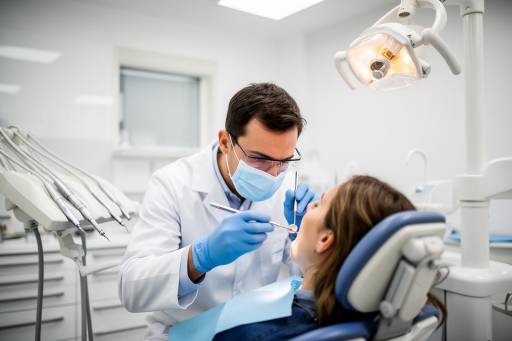
During the procedure, a dental specialist carefully removes the infected or inflamed pulp, cleans and disinfects the inside of the tooth, and then fills and seals the space to prevent reinfection. This process preserves the tooth structure, allowing it to function normally without the need for extraction.
Modern root canal treatments are performed under local anesthesia, which minimizes discomfort. After the procedure, your dentist may recommend a crown or restoration to protect the treated tooth and restore its strength. Root canal therapy helps maintain your natural smile and bite while preventing the spread of infection to surrounding tissues.
Common Dental Problems Treated by Root Canals
Several dental problems can necessitate root canal treatment because they affect the inner pulp of the tooth. One of the most common reasons is extensive tooth decay that reaches the pulp, causing persistent toothache and sensitivity. When cavities are left untreated, they can progress deeply enough to infect the pulp, which root canal therapy can effectively treat.
An abscessed tooth is another critical condition treated with root canals. This occurs when infection at the root tip causes pus accumulation, swelling, and severe pain. Without treatment, the infection can spread and cause serious complications.
Trauma to a tooth, such as a crack or injury, can expose the pulp to bacteria or damage the nerve, leading to inflammation and infection. In these cases, root canal treatment can save the tooth by removing the damaged tissue.
Other symptoms suggesting the need for root canal therapy include prolonged sensitivity to hot or cold, discoloration of the tooth, swelling of nearby gums, and tenderness when chewing. Early diagnosis and treatment improve the chances of saving the tooth and avoiding extraction.
Benefits of Root Canal Treatment Over Extraction
Choosing root canal treatment offers several advantages compared to tooth extraction. One primary benefit is tooth preservation. Saving your natural tooth helps maintain proper chewing function and prevents the shifting of adjacent teeth, which can cause bite problems and additional dental issues.
Root canals also support long-term oral health by eliminating infection while keeping the tooth intact. Extraction may lead to bone loss in the jaw area where the tooth was removed, potentially affecting facial structure over time.
From an aesthetic viewpoint, preserving your own tooth maintains your natural smile without the need for more complex restorative procedures like implants or bridges. Root canal therapy often requires less time and cost than full tooth replacement treatments.
Overall, root canal treatment helps maintain dental stability and comfort, reducing the need for further interventions. Dentists generally recommend this therapy when possible to optimize your oral health outcomes.
What to Expect During and After a Root Canal Procedure
The root canal procedure typically begins with local anesthesia to numb the tooth and surrounding area. Your dentist or endodontist will then create an opening in the tooth to access the pulp chamber and root canals. Using specialized instruments, the infected tissue is carefully removed, and the canals are cleaned and shaped for filling.
After cleaning, the canals are filled with a biocompatible material called gutta-percha to seal them. The tooth is then temporarily sealed, and you may need a follow-up appointment to place a permanent filling or crown to protect the tooth.
Post-treatment, it's common to experience mild soreness or sensitivity for a few days, which can be managed with over-the-counter pain relievers and following your dentist’s care instructions. Avoid chewing on the treated tooth until fully restored to prevent damage.
Good oral hygiene and regular dental checkups are important to ensure the treated tooth remains healthy. Most root canal-treated teeth function normally for many years with proper care.
Risks and Considerations of Root Canal Treatment
While root canal treatment is generally safe and effective, there are some risks and considerations to keep in mind. Occasionally, the procedure may not fully remove all infected tissue, which could lead to persistent infection or the need for retreatment.
There is also a small risk of tooth fracture after treatment since the tooth is no longer vital and may become more brittle over time. This is why placing a crown or restoration after the root canal is often recommended to protect the tooth.
Some patients may experience allergic reactions to materials used during the procedure, although this is rare. It’s important to discuss any allergies or health conditions with your dentist before treatment.
If you notice increasing pain, swelling, or other unusual symptoms after a root canal, seek dental care promptly. Early intervention can address complications and improve outcomes. Overall, root canal therapy remains a valuable option when performed by a qualified dental professional.
Choosing the Right Dental Clinic for Your Root Canal Treatment
Selecting a qualified dental clinic is crucial for successful root canal treatment, especially if you are considering treatment abroad. Look for clinics with board-certified endodontists who specialize in root canal procedures and have a track record of positive patient outcomes.
Accreditation from recognized dental or healthcare organizations ensures the clinic meets high standards for safety and quality. Clinics offering modern technology like digital imaging and rotary instruments often provide more precise and comfortable treatment.
For international patients, consider language support, transparent pricing, and comprehensive pre- and post-treatment care options. Reading patient reviews and seeking recommendations can also help you identify trustworthy providers.
Get Help for Tooth Pain and Root Canal Treatment
Answer a few short questions and HealthNode will help you connect with the right dentist or endodontic specialist.
Pain and Infection Signs
This helps us understand whether you may need urgent dental review, root canal treatment, retreatment, or another option.
Previous Dental Care
A few details help the specialist understand whether this may be a first root canal, retreatment, crown-related issue, or extraction alternative.
Final Details
Share anything important so the dentist can better understand your case.
Contact information
Your information is only used to contact you and is never shared with third parties.
Your request has been received!
Thank you. If you have dental X-rays, previous root canal records, crown or filling records, treatment plans, or information about tooth pain, swelling, sensitivity, or infection, please keep them ready. A HealthNode consultant will guide you through the next step.
Your choice of clinic impacts your treatment experience and long-term oral health, so take the time to research and choose a facility that meets your medical and personal needs.
Frequently Asked Questions
Q: What symptoms indicate I might need a root canal?
A: Persistent tooth pain, sensitivity to hot or cold, swelling near the tooth, and discoloration are common signs that may indicate the need for root canal treatment. If you experience these symptoms, it’s important to see a dentist promptly for evaluation.
Q: Is root canal treatment painful?
A: Root canal procedures are performed under local anesthesia, so you should not feel pain during the treatment. Some mild discomfort or sensitivity may occur afterward, but this is usually manageable with over-the-counter pain medications.
Q: Can all infected teeth be treated with a root canal?
A: Most infected teeth can be treated with root canal therapy, but if the damage is too extensive or the tooth structure is severely compromised, extraction might be recommended. Your dentist will assess your specific condition to determine the best option.
Q: How long does it take to recover from a root canal?
A: Recovery time varies, but most patients feel relief from pain within a few days after treatment. Normal activities can usually be resumed immediately, with some care taken to avoid chewing on the treated tooth until fully restored.
Q: Are there alternatives to root canal treatment?
A: Alternatives include tooth extraction followed by replacement options like implants or bridges. However, preserving your natural tooth with a root canal is often preferable to maintain oral function and avoid more complex procedures.
The information provided is for educational purposes only and does not constitute medical advice. Always consult with a healthcare professional for medical guidance specific to your situation.