Quick Answer
Teeth that have undergone root canal treatment can be whitened, but this process requires specialized professional methods such as internal bleaching to address internal discoloration safely and effectively. Over-the-counter whitening products are generally ineffective for root canal-treated teeth and may cause uneven results or damage if used improperly.
- Root canal treatment can cause internal tooth discoloration due to loss of blood supply and staining from treatment materials.
- Traditional whitening methods targeting surface stains are often ineffective for root canal-treated teeth because the discoloration is internal.
- Professional whitening methods like internal bleaching are recommended to safely whiten root canal-treated teeth.
- Over-the-counter or home whitening kits may not work well on treated teeth and can cause sensitivity or uneven coloration.
- Restorations such as crowns or fillings do not whiten and may need replacement to match the whitened tooth.
- Maintaining whitening results requires good oral hygiene, avoiding stain-causing foods and tobacco, and regular dental check-ups.
- Whitening should always be done under the supervision of a qualified dental professional experienced with root canal-treated teeth to minimize risks and ensure effective results.
Can Root Canal-Treated Teeth Be Whitened?
Teeth that have undergone root canal treatment can indeed be whitened, but the process requires special considerations compared to whitening natural teeth. The discoloration that often occurs after root canal therapy results from changes within the tooth’s internal structure, which means traditional whitening methods designed for surface stains might not always be effective or safe without professional guidance.
Root canal treatment involves removing infected or damaged pulp tissue from inside the tooth, which can leave the tooth more susceptible to darkening over time due to loss of blood supply and internal staining. This discoloration can affect the aesthetics of your smile and lead many patients to seek whitening solutions to restore a brighter, more uniform appearance.
Understanding the causes of this internal staining and the available treatment options is important for making informed decisions about your oral care. Whitening root canal-treated teeth often requires specialized techniques and professional evaluation to ensure both safety and effectiveness.
Find the Right Teeth Whitening Option for Your Smile
Answer a few short questions and HealthNode will help you connect with the right cosmetic dentist for safe and effective teeth whitening.
Your Teeth and Dental History
A few details help us understand whether whitening, cleaning, veneers, bonding, or another option may be more suitable.
Dental Health Check
This helps the dentist understand whether any dental issue should be checked before whitening.
Contact information
Your information is only used to contact you and is never shared with third parties.
Your request has been received!
Thank you. If you have recent dental photos, dental X-rays, previous whitening records, sensitivity history, or information about crowns, veneers, fillings, or bonding, please keep them ready. A HealthNode consultant will guide you through the next step.
If you have a tooth that has undergone root canal therapy and wish to improve its appearance, consulting with a qualified dental professional is essential. They can assess the condition of your tooth, discuss the potential benefits and limitations of whitening treatments, and recommend methods tailored specifically to treated teeth. This approach helps ensure that whitening is performed safely and achieves the best possible aesthetic outcome while preserving your tooth’s health.
How Root Canal Treatment Can Cause Tooth Discoloration
Root canal treatment is a common dental procedure designed to save a tooth that has become infected or damaged due to decay, trauma, or other causes. During this treatment, the dentist removes the infected or inflamed pulp, the soft tissue inside the tooth that contains nerves and blood vessels. After removal, the empty pulp chamber and root canals are thoroughly cleaned, disinfected, and then sealed with a biocompatible material to prevent further infection.
While root canal therapy effectively preserves the tooth’s function and prevents the need for extraction, it can lead to changes in the tooth’s appearance. The loss of vital pulp tissue means the tooth no longer receives nutrients and moisture from the blood supply, which can cause the tooth to darken or discolor over time.
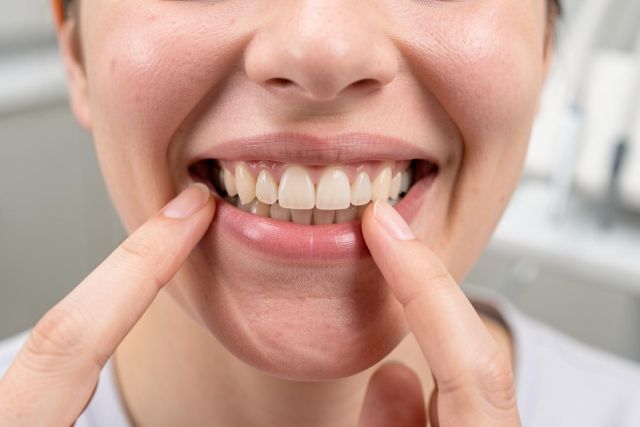
Discoloration typically occurs because materials used during the treatment, such as sealers or medicaments, or remnants of blood inside the tooth, can stain the dentin, the layer beneath the enamel. This internal staining differs from surface stains caused by external factors like food, drinks, or smoking.
The discoloration may present as a gray, brown, or yellow hue and can become more noticeable months or even years after the root canal procedure. Understanding that this staining originates from within the tooth explains why conventional whitening products that target surface stains may not be sufficient or appropriate for these teeth. Addressing this internal discoloration often requires specialized treatment approaches guided by a dental professional.
Are Teeth with Root Canal Treatments Suitable for Whitening?
Teeth that have undergone root canal therapy can be candidates for whitening, but their suitability depends on several important factors. Unlike natural teeth, where discoloration typically occurs on the surface due to external staining, treated teeth often experience internal discoloration caused by changes within the tooth structure itself. This internal staining is more challenging to address because traditional external whitening products may not effectively penetrate or lighten the discolored areas inside the tooth.
Safety considerations are paramount when whitening root canal-treated teeth. These teeth may be more sensitive or structurally fragile due to the removal of pulp tissue and the presence of restorative materials. Whitening methods must be carefully selected to avoid compromising the tooth’s integrity or causing irritation to the surrounding gum tissue. Some bleaching agents that are safe for natural teeth may not be appropriate without professional supervision when used on treated teeth.
Limitations exist with over-the-counter or at-home whitening kits, as they primarily target surface stains and often have limited efficacy on internal discoloration. Consequently, these products may provide little to no improvement in the appearance of root canal-treated teeth and could potentially lead to uneven coloration if used improperly.
A professional dental evaluation is essential to determine the best whitening approach for a treated tooth. Your dentist can assess the extent and cause of discoloration, the condition of any restorations, and overall tooth health to recommend safe and effective treatments. This personalized approach helps avoid ineffective or potentially harmful whitening attempts and increases the likelihood of achieving a satisfactory aesthetic outcome.
Professional Whitening Methods for Root Canal-Treated Teeth
Dentists often recommend specialized whitening treatments that are specifically tailored for root canal-treated teeth to achieve optimal results while ensuring safety. One widely used method is internal bleaching, which involves placing a whitening agent directly inside the tooth after root canal therapy has been completed. This technique targets the internal stains at their source and can be repeated as needed under professional supervision to gradually lighten the tooth from within (biologyinsights.com).
In addition to internal bleaching, in-office whitening treatments may be applied cautiously to the external surfaces of the tooth. Sometimes, these external treatments are combined with internal bleaching to provide a more comprehensive whitening effect. Professional in-office procedures utilize stronger bleaching agents than those found in over-the-counter products, allowing for more effective and controlled whitening results.
The advantage of professional care lies in the continuous monitoring for any sensitivity, irritation, or other complications during the whitening process. Your dentist will carefully evaluate the condition of the tooth, including the presence of any restorations such as crowns or fillings. Since these restorative materials do not whiten, your dentist may discuss options for replacing or adjusting them to achieve a uniform appearance after whitening.
Overall, professional whitening methods offer a safer and more predictable approach for improving the color of root canal-treated teeth. By customizing treatment based on your tooth’s specific condition and needs, your dentist can help you achieve a brighter smile while minimizing risks and preserving tooth health.
Home Care and Maintenance for Whitened Root Canal-Treated Teeth
Maintaining the whiteness of a root canal-treated tooth requires diligent and consistent oral hygiene practices combined with mindful lifestyle habits. Brushing your teeth at least twice daily using a fluoride toothpaste is fundamental to preventing new stains from forming and to maintaining overall oral health. Flossing daily is also important to remove plaque and food debris from between teeth, which helps reduce the risk of gum disease and further discoloration.
In addition to routine oral care, it is advisable to avoid or limit consumption of foods and beverages known to cause staining, such as coffee, tea, red wine, and dark-colored sodas. Tobacco products are particularly notorious for causing stubborn stains and should be avoided to preserve whitening results. When consuming colored drinks, using a straw can help minimize contact between the liquid and your teeth surfaces, thereby reducing the chance of staining.
Regular dental check-ups are essential for monitoring the condition of your treated tooth and the longevity of your whitening results. During these visits, your dentist can assess whether touch-up whitening treatments or professional cleanings are needed to maintain a bright smile. They can also evaluate the health of any restorations present and address any emerging issues promptly.
For those who experience sensitivity following whitening procedures, using a desensitizing toothpaste can provide relief and improve comfort. It is important to follow your dentist’s recommendations regarding the frequency of whitening and maintenance routines to avoid overuse of bleaching agents, which can cause irritation or damage. Overall, a combination of good oral hygiene, careful dietary choices, and professional oversight will help you enjoy lasting whiteness and maintain the health of your root canal-treated teeth.
Risks and Precautions When Whitening Root Canal-Treated Teeth
Whitening root canal-treated teeth involves certain risks and necessitates specific precautions to avoid potential damage or discomfort. One of the main concerns is that overuse or improper application of bleaching agents can lead to tooth sensitivity, irritation of the gums, or inflammation of the surrounding soft tissues. This is especially relevant for treated teeth, which may already have compromised structure or reduced vitality.
Root canal-treated teeth can sometimes be more brittle due to the loss of internal tissue and may have restorations such as crowns or fillings that do not respond to whitening treatments. This can result in uneven coloration, with the natural tooth structure lightening but the restorations remaining the same shade, potentially causing aesthetic discrepancies. Additionally, aggressive whitening could exacerbate structural weaknesses or lead to cracking if not carefully managed.
To minimize these risks, whitening treatments should always be carried out under the supervision of a qualified dental professional who can tailor the approach to your individual dental condition. Professional oversight ensures that the concentration and duration of bleaching agents are appropriate and that any adverse reactions are promptly addressed.
It is vital to fully disclose your dental history to your dentist, including any previous root canal treatments, restorations, or sensitivities. This information allows the dentist to design a safe and effective whitening plan suited to your specific needs. Avoiding do-it-yourself whitening methods on treated teeth is strongly recommended, as these can increase the likelihood of adverse effects and may not provide the desired results. Careful evaluation and professional management help protect your oral health while enhancing the appearance of your smile.
Choosing the Right Dental Professional for Your Whitening Journey
Selecting a qualified dental professional who is experienced in treating root canal teeth is crucial for achieving safe and effective whitening results. Not all dentists have the same level of expertise with cosmetic procedures on treated teeth, so it is important to seek out those who specialize in cosmetic or restorative dentistry and have a proven track record of working with teeth that have undergone root canal therapy. These specialists are better equipped to understand the unique challenges posed by internal discoloration and to tailor treatments accordingly.
A thorough dental examination is essential before beginning any whitening procedure. This examination allows the dentist to evaluate the health and structure of your treated tooth, identify any restorations such as crowns or fillings, and determine the cause and extent of discoloration. Based on this assessment, the dentist can develop a personalized treatment plan that addresses your specific whitening goals while prioritizing the protection of your tooth’s health and integrity.
Find the Right Teeth Whitening Option for Your Smile
Answer a few short questions and HealthNode will help you connect with the right cosmetic dentist for safe and effective teeth whitening.
Your Teeth and Dental History
A few details help us understand whether whitening, cleaning, veneers, bonding, or another option may be more suitable.
Dental Health Check
This helps the dentist understand whether any dental issue should be checked before whitening.
Contact information
Your information is only used to contact you and is never shared with third parties.
Your request has been received!
Thank you. If you have recent dental photos, dental X-rays, previous whitening records, sensitivity history, or information about crowns, veneers, fillings, or bonding, please keep them ready. A HealthNode consultant will guide you through the next step.
A skilled dental professional can recommend the most appropriate whitening techniques, whether that involves internal bleaching, external whitening, or a combination of both. They are also prepared to manage any complications that may arise during or after treatment, such as sensitivity or uneven color results. Furthermore, they can provide detailed guidance on how to maintain your whitening results over time through proper oral hygiene and lifestyle adjustments.
Trust and open communication between you and your dental practitioner are key factors in ensuring a positive whitening experience. Choose a practitioner who listens attentively to your concerns, answers your questions thoroughly, and clearly explains all available treatment options, including potential benefits and risks. This collaborative approach helps set realistic expectations and fosters a treatment plan that is tailored to your individual needs, ultimately leading to lasting and satisfying results.
Frequently Asked Questions
Q: Can I whiten a tooth that has had a root canal?
A: Yes, whitening is possible for teeth treated with root canal therapy, but it often requires professional methods like internal bleaching. Over-the-counter whitening products usually do not effectively lighten internal stains on treated teeth.
Q: Is whitening safe for root canal-treated teeth?
A: When performed under dental supervision, whitening is generally safe for root canal-treated teeth. Professional guidance helps avoid risks like sensitivity or damage to the tooth and surrounding tissues.
Q: How long do whitening results last on root canal-treated teeth?
A: The duration varies depending on oral hygiene, diet, and lifestyle habits. With proper care and regular dental visits, whitening effects can last several months to years.
Q: Can home whitening kits damage my root canal-treated tooth?
A: Home whitening kits may not be effective for internal stains and could cause sensitivity or damage if misused. It’s best to consult your dentist before using any whitening products on treated teeth.
Q: Will dental restorations whiten along with my treated tooth?
A: No, restorations like crowns or fillings do not whiten with bleaching agents. Your dentist may recommend replacing or adjusting restorations to match the whitened tooth for a consistent appearance.
The information provided is for educational purposes only and does not constitute medical advice. Always consult with a healthcare professional for medical guidance specific to your situation.