Quick Answer
Teeth whitening can cause gum bleeding due to irritation or minor injury from bleaching agents contacting the gums, especially if applied improperly. While mild bleeding is often temporary, persistent or severe bleeding should be evaluated by a dental professional.
- Teeth whitening products contain peroxide-based bleaching agents that can irritate gums if they come into contact with them.
- Gum bleeding during or after whitening is usually caused by chemical irritation, sensitivity, or improper application of whitening products.
- People with pre-existing gum inflammation or disease may experience more pronounced gum bleeding from whitening treatments.
- Mild gum bleeding typically resolves quickly with proper care, but persistent or severe bleeding requires dental consultation.
- Professional whitening treatments use protective barriers to minimize gum exposure to bleaching agents and reduce bleeding risk.
- At-home whitening should be done according to instructions to avoid overuse and gum irritation.
- Misconceptions exist that whitening always damages gums permanently, but when done correctly, any irritation is usually temporary and reversible.
Can Teeth Whitening Cause Gum Bleeding?
Teeth whitening can sometimes cause gum bleeding, especially if the whitening agents come into direct contact with your gums. This bleeding typically results from irritation or minor injury to the delicate gum tissues during or after the whitening procedure. While gum bleeding is not common for everyone undergoing whitening, it is a recognized side effect that often signals sensitivity or improper application.
Understanding the potential impact of teeth whitening on your gums is important to ensure the procedure is both effective and safe. Whitening products often contain peroxide-based bleaching agents which can irritate oral tissues if not carefully applied or if used excessively. Recognizing the causes and symptoms of gum bleeding can help you take timely action and avoid complications.
If you notice bleeding gums during or after whitening, it does not always indicate a serious problem but should not be ignored. Mild irritation usually resolves quickly with proper care. However, persistent or severe bleeding warrants consultation with a dental professional to rule out underlying gum disease or other oral health issues.
Find the Right Teeth Whitening Option for Your Smile
Answer a few short questions and HealthNode will help you connect with the right cosmetic dentist for safe and effective teeth whitening.
Your Teeth and Dental History
A few details help us understand whether whitening, cleaning, veneers, bonding, or another option may be more suitable.
Dental Health Check
This helps the dentist understand whether any dental issue should be checked before whitening.
Contact information
Your information is only used to contact you and is never shared with third parties.
Your request has been received!
Thank you. If you have recent dental photos, dental X-rays, previous whitening records, sensitivity history, or information about crowns, veneers, fillings, or bonding, please keep them ready. A HealthNode consultant will guide you through the next step.
Teeth Whitening: Effects and Care for Your Gums
Teeth whitening is a popular cosmetic dental procedure designed to lighten the color of your teeth using bleaching agents such as hydrogen peroxide or carbamide peroxide. These agents work by penetrating the enamel to break down stains and discoloration. Whitening can be performed professionally at dental clinics or through at-home kits.
While whitening primarily targets tooth enamel, the gums and other oral tissues can be affected if the bleaching agent comes into contact with them. The chemicals in whitening products are strong and may cause irritation or chemical burns on the gums, leading to redness, soreness, or bleeding. This is more likely if the product is applied improperly or if the protective barriers fail during professional treatments.
Most whitening procedures are safe when used as directed, but the gums’ sensitivity varies among individuals. People with pre-existing gum inflammation or disease may experience more pronounced side effects. Understanding these effects can help you weigh the benefits and risks before choosing a whitening method and guide you in caring for your gums during the process.
Common Causes of Gum Bleeding During or After Whitening Treatments
Gum bleeding related to teeth whitening can occur for several reasons, many linked to how the whitening product interacts with your gum tissue. One common cause is chemical irritation from bleaching agents that accidentally contact the gums. This can happen if the whitening trays or strips are ill-fitting, or if the gel is applied too close to the gum line.
Sensitivity is another factor that may contribute to bleeding. Whitening can temporarily weaken the gums’ protective barrier, making them more prone to minor injury or inflammation. If you have existing gum disease such as gingivitis or periodontitis, whitening treatments might exacerbate bleeding because the gums are already inflamed and fragile.
Improper at-home use, such as leaving whitening products on longer than recommended or using high-concentration gels without professional guidance, increases the risk of gum damage and bleeding. Additionally, aggressive brushing or flossing immediately after whitening can irritate the gums further. Awareness of these causes helps you avoid practices that could harm your gum health during whitening.
Signs You Should Consult a Dental Professional
If you notice mild gum irritation or slight bleeding during or shortly after teeth whitening, it may resolve on its own with proper oral care. However, certain signs indicate that you should seek professional evaluation to ensure your gum health is not compromised.
Persistent gum bleeding lasting more than a couple of days, increased swelling, or significant pain are red flags that require dental attention. These symptoms might suggest an allergic reaction, infection, or an underlying gum condition aggravated by the whitening process. Additionally, if you experience ulcers, blistering, or severe discomfort, consulting your dentist promptly is important.
Your dental professional can assess your gums, provide treatments to reduce inflammation, and recommend safer whitening options tailored to your oral health. Early intervention prevents potential complications and supports healthier outcomes. Do not hesitate to reach out to a qualified dentist if you have concerns about bleeding or other symptoms after whitening.
Tips for Safe Teeth Whitening at Home and in Clinics
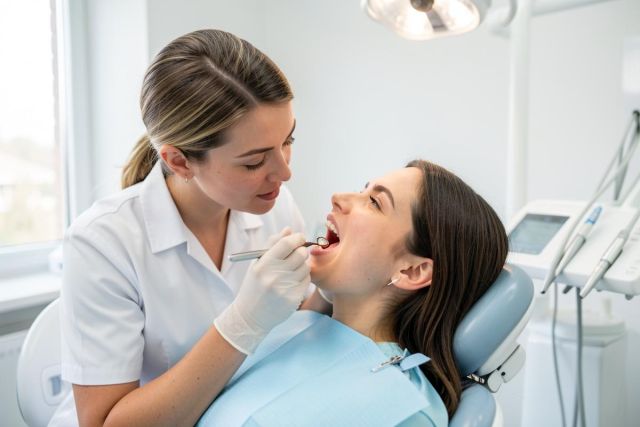
Ensuring your teeth whitening experience is safe for your gums starts with choosing the right approach and following best practices. When opting for professional whitening, select a licensed dental provider who uses appropriate protective barriers to shield your gums from bleaching agents. This reduces the risk of chemical irritation and bleeding.
For at-home whitening kits, carefully follow the manufacturer's instructions regarding application time and amount of gel used. Avoid overusing products or leaving them on longer than recommended. Make sure whitening trays fit well and do not allow the gel to seep onto your gums.
Maintain excellent oral hygiene by gently brushing and flossing before and after whitening treatments, but avoid aggressive brushing immediately after the procedure. If you have sensitive gums or a history of gum disease, discuss this with your dentist to identify the safest whitening options for you.
Regular dental check-ups also help monitor gum health and address any issues early. By following these tips, you can minimize the risk of gum bleeding and enjoy the benefits of a brighter smile safely.
Debunking Myths and Clarifying Facts About Teeth Whitening and Gums
There are many misconceptions about teeth whitening and its effects on gum health that can cause unnecessary worry. One common myth is that whitening always damages gums permanently. In reality, when done correctly, whitening is safe and any gum irritation is usually temporary and reversible.
Another misunderstanding is that all whitening products are equally harsh. Some over-the-counter products contain lower concentrations of bleaching agents and are less likely to irritate gums compared to professional treatments, which use higher concentrations but under controlled conditions.
Some believe that gum bleeding after whitening always indicates gum disease. While bleeding can signal gum issues, mild bleeding after whitening often results from temporary irritation. Persistent symptoms should be evaluated by a dentist, but occasional bleeding alone does not confirm gum disease.
Clarifying these facts helps you make informed decisions and avoid misinformation that might deter you from safe cosmetic dental care or lead to improper use of whitening products.
Frequently Asked Questions
Q: Can teeth whitening cause permanent gum damage?
Find the Right Teeth Whitening Option for Your Smile
Answer a few short questions and HealthNode will help you connect with the right cosmetic dentist for safe and effective teeth whitening.
Your Teeth and Dental History
A few details help us understand whether whitening, cleaning, veneers, bonding, or another option may be more suitable.
Dental Health Check
This helps the dentist understand whether any dental issue should be checked before whitening.
Contact information
Your information is only used to contact you and is never shared with third parties.
Your request has been received!
Thank you. If you have recent dental photos, dental X-rays, previous whitening records, sensitivity history, or information about crowns, veneers, fillings, or bonding, please keep them ready. A HealthNode consultant will guide you through the next step.
A: While most whitening procedures are safe when performed correctly, improper application or overuse can cause temporary irritation or damage to the gums. Permanent damage is rare but possible if not properly managed.
Q: How can I prevent gum bleeding during teeth whitening?
A: Choose qualified professionals, follow their instructions carefully, and avoid over-bleaching. Maintaining good oral hygiene and informing your dentist of any gum sensitivities can also help prevent bleeding.
Q: Is gum bleeding after whitening a sign of a serious problem?
A: Not necessarily. Mild bleeding can be a common side effect, but persistent or severe bleeding should be evaluated by a dentist to rule out underlying issues.
Q: Are there safer alternatives to traditional whitening treatments?
A: Yes, options like whitening toothpaste, whitening pens, or professional treatments with controlled bleaching agents can be safer and less likely to cause gum issues.
Q: How long does gum bleeding typically last after whitening?
A: Mild bleeding usually resolves within a few hours to a couple of days. If it persists longer, consult your dentist for assessment.
The information provided is for educational purposes only and does not constitute medical advice. Always consult with a healthcare professional for medical guidance specific to your situation.