Quick Answer
Choosing a teeth whitening shade that looks natural involves selecting a shade a few tones lighter than your natural tooth color that complements your skin tone and age, guided by a dental professional to avoid an artificial appearance.
- A natural-looking whitening shade balances brightness with harmony to your natural tooth color and facial features.
- Whitening treatments should enhance your smile without appearing overly white or artificial.
- Skin tone and age are important factors in selecting a whitening shade that complements your overall appearance.
- Dental professionals use shade guides and assess your teeth to recommend the most suitable whitening shade.
- Avoid choosing shades that are too white or too bright to prevent an unnatural look.
- Whitening does not change the color of crowns, veneers, or fillings, so dental restorations should be considered in treatment planning.
- Maintaining a natural look after whitening involves good oral hygiene, avoiding staining foods and drinks, and occasional touch-ups as advised by a dentist.
Choosing a Teeth Whitening Shade That Still Looks Natural
Selecting a teeth whitening shade that looks natural means finding a balance between brightness and harmony with your natural tooth color and facial features. An ideal whitening shade enhances your smile without appearing artificial or overly white, which can draw unwanted attention or seem unrealistic. Matching your whitening treatment to your personal coloring and dental characteristics ensures the best aesthetic outcome.
Teeth whitening is a popular cosmetic procedure designed to remove stains and lighten the natural color of your teeth. However, the goal is not simply to achieve the brightest possible shade but to maintain a look that suits your skin tone, age, and overall appearance. This careful approach helps you enjoy a confident, radiant smile that still feels authentic.
Professional dental providers play a key role in guiding you through shade selection by assessing your teeth, discussing your preferences, and customizing your treatment. Understanding how to choose the right shade and avoid common pitfalls will help you get the most natural results from your whitening experience.
Find the Right Teeth Whitening Option for Your Smile
Answer a few short questions and HealthNode will help you connect with the right cosmetic dentist for safe and effective teeth whitening.
Your Teeth and Dental History
A few details help us understand whether whitening, cleaning, veneers, bonding, or another option may be more suitable.
Dental Health Check
This helps the dentist understand whether any dental issue should be checked before whitening.
Contact information
Your information is only used to contact you and is never shared with third parties.
Your request has been received!
Thank you. If you have recent dental photos, dental X-rays, previous whitening records, sensitivity history, or information about crowns, veneers, fillings, or bonding, please keep them ready. A HealthNode consultant will guide you through the next step.
Matching Your Teeth Shade to Your Natural Color
Choosing a whitening shade that complements your natural tooth color is crucial to avoid an artificial look. Your natural teeth have subtle variations in color and translucency that give your smile depth and character. Whitening treatments lighten these tones, so selecting a shade close to your original color but a few shades lighter typically creates the most natural enhancement.
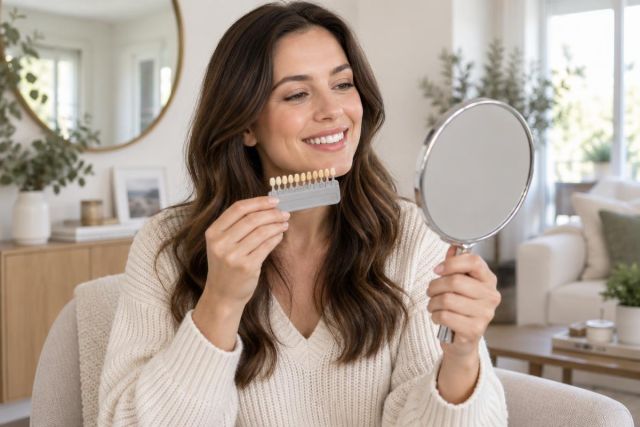
Dentists often use shade guides to compare your current tooth color with potential whitening shades. This process helps identify a shade that brightens your smile while respecting the unique characteristics of your teeth. Going too light beyond your natural base can cause a stark contrast that appears fake or overly processed.
In addition to shade matching, the texture and reflectivity of your teeth also influence how whitening results appear. Maintaining these natural properties ensures your smile looks vibrant yet realistic. A well-matched whitening shade will enhance your smile subtly, making it more attractive without drawing attention to the whiteness itself.
Factors to Consider When Selecting a Whitening Shade
Several personal factors influence which whitening shade will look most natural on you. Your skin tone is a major consideration because teeth that are too bright or too dull can clash with your complexion. For example, warmer skin tones often pair better with slightly warmer, off-white shades, while cooler skin tones can support brighter, more neutral whites.
Age also plays a role. Younger patients tend to have naturally brighter teeth and can often opt for lighter shades without looking unnatural. Older adults may find that slightly warmer or less intense whitening shades complement their natural aging features better, creating a harmonious, authentic smile.
Your personal preferences and lifestyle should also guide your choice. Some people prefer a more noticeable whitening effect, while others want a subtle improvement. Discussing these preferences openly with your dental provider ensures your final shade aligns with how you want to feel and present yourself.
How Dental Professionals Help Achieve a Natural-Looking Smile
Dental professionals provide expert guidance to help you select a whitening shade that enhances your smile naturally. They assess your teeth’s baseline color, translucency, and surface condition, which informs realistic expectations and appropriate shade choices.
Customized whitening treatments allow your dentist to tailor the concentration and application of bleaching agents to your needs, reducing the risk of overly bright or uneven results. This personalized approach helps maintain your smile’s natural appearance while achieving noticeable improvement.
Your dentist also considers how whitening will interact with any dental restorations, like crowns or veneers, which do not change color with bleaching. They can plan treatments to ensure all parts of your smile look harmonious. By collaborating with you on your aesthetic goals, dental professionals help you find the shade that balances brightness and authenticity.
Common Mistakes to Avoid When Choosing a Whitening Shade
One common mistake is selecting a shade that is too white compared to your natural teeth and facial features. Extremely bright shades can create an unnatural appearance that draws attention for the wrong reasons. Staying within a range of a few shades lighter than your original color usually produces the most flattering results.
Ignoring personal factors like skin tone or age can also lead to less satisfactory outcomes. Whitening that clashes with your complexion or appears too youthful for your age can look out of place. It’s important to consider how your overall look will integrate with your new smile.
Skipping professional advice increases the risk of uneven whitening or damage. DIY whitening products often lack customization and can result in blotchy or overly bright teeth. Consulting a dental professional helps avoid these pitfalls and ensures your shade selection supports a natural and healthy smile.
Maintaining a Natural Look After Whitening Treatment
After whitening, maintaining your natural-looking shade requires good oral hygiene and lifestyle choices. Avoiding foods and drinks that stain teeth, such as coffee, tea, red wine, and tobacco, helps preserve your enhanced shade longer.
Using a soft-bristled toothbrush and non-abrasive toothpaste designed for sensitive teeth can protect your enamel while keeping stains at bay. Regular dental cleanings also play a vital role in maintaining brightness and oral health.
Some dentists recommend occasional touch-up treatments or at-home whitening kits tailored to your shade to sustain results without over-whitening. Being mindful of your whitening level and avoiding excessive treatments helps keep your smile looking fresh, natural, and balanced over time.
Frequently Asked Questions
Q: How do I choose a teeth whitening shade that looks natural?
Find the Right Teeth Whitening Option for Your Smile
Answer a few short questions and HealthNode will help you connect with the right cosmetic dentist for safe and effective teeth whitening.
Your Teeth and Dental History
A few details help us understand whether whitening, cleaning, veneers, bonding, or another option may be more suitable.
Dental Health Check
This helps the dentist understand whether any dental issue should be checked before whitening.
Contact information
Your information is only used to contact you and is never shared with third parties.
Your request has been received!
Thank you. If you have recent dental photos, dental X-rays, previous whitening records, sensitivity history, or information about crowns, veneers, fillings, or bonding, please keep them ready. A HealthNode consultant will guide you through the next step.
A: Start by consulting with a dental professional who can assess your current tooth color and recommend a shade that enhances your smile without appearing too white or artificial. Consider your skin tone and age to find a complementary shade. Avoid extreme whitening that contrasts sharply with your natural teeth.
Q: Can teeth whitening make my smile look fake?
A: Yes, whitening that is too bright or inconsistent with your natural tooth color and facial features can look unnatural. Choosing a shade close to your original color and working with a dentist helps achieve a balanced, natural appearance.
Q: How often should I whiten my teeth to maintain a natural look?
A: Frequency varies by individual, but most people benefit from occasional touch-ups every six months to a year. Over-whitening can cause sensitivity and an unnatural look, so follow your dentist’s advice and maintain good oral hygiene to prolong results.
Q: Will whitening affect crowns or fillings?
A: Whitening treatments do not change the color of crowns, veneers, or fillings. This can result in color mismatches if these restorations are visible. Discuss existing dental work with your dentist before whitening to plan for the best overall aesthetic outcome.
Q: Are at-home whitening kits safe for achieving a natural look?
A: At-home kits can be safe if used correctly but often lack the customization of professional treatments. Overuse or incorrect shade selection may lead to uneven or excessively bright results. Consulting a dental professional ensures safer, more natural outcomes.
The information provided is for educational purposes only and does not constitute medical advice. Always consult with a healthcare professional for medical guidance specific to your situation.