Quick Answer
Teeth whitening at a beauty salon in the UK is legal only if performed by qualified dental professionals following strict regulations and using approved products. Beauty salons cannot legally offer high-strength whitening treatments without dental oversight.
- Only registered dental professionals or those working under their prescription can legally perform teeth whitening involving bleaching agents stronger than 0.1% hydrogen peroxide in the UK.
- Beauty salons must ensure practitioners hold valid qualifications and comply with General Dental Council standards to legally offer teeth whitening.
- Unregulated teeth whitening treatments can cause tooth enamel damage, gum burns, sensitivity, and other dental health issues.
- Consumers should verify practitioner qualifications, ask for proof of registration, and ensure the use of approved whitening products before undergoing treatment.
- Professional dental clinics provide safer and more effective whitening treatments with comprehensive oral health assessments and tailored bleaching agents.
- Recent regulatory efforts in the UK aim to tighten enforcement against illegal teeth whitening practices and may introduce stricter licensing and penalties.
- Choosing licensed providers and staying informed about legal requirements helps protect dental health and ensures safe cosmetic teeth whitening.
Is Teeth Whitening at a Beauty Salon Legal in the UK?
Teeth whitening at a beauty salon in the UK is legal only if the procedure is carried out in compliance with specific regulations and by appropriately qualified practitioners. The UK has clear legal frameworks designed to protect patients from unsafe cosmetic treatments, including teeth whitening. These rules ensure that only trained professionals perform such procedures, using approved products and methods that meet safety standards.
This regulatory environment aims to prevent potential harm such as tooth or gum damage that can arise from unregulated whitening treatments. Given the popularity of teeth whitening as a cosmetic procedure, it is important to understand the legal landscape and what safety standards apply to beauty salons offering this service. Awareness of these regulations helps consumers avoid unlicensed providers who may use unsafe products or techniques.
If you are considering teeth whitening at a beauty salon, knowing the legal requirements helps you make informed choices and avoid risks associated with unlicensed or unsafe treatments. This guide explains the UK’s legal framework, safety considerations, how to verify service legality, and alternative professional options for safe teeth whitening. By understanding these factors, you can protect your dental health while achieving the cosmetic results you desire.
Find the Right Teeth Whitening Option for Your Smile
Answer a few short questions and HealthNode will help you connect with the right cosmetic dentist for safe and effective teeth whitening.
Your Teeth and Dental History
A few details help us understand whether whitening, cleaning, veneers, bonding, or another option may be more suitable.
Dental Health Check
This helps the dentist understand whether any dental issue should be checked before whitening.
Contact information
Your information is only used to contact you and is never shared with third parties.
Your request has been received!
Thank you. If you have recent dental photos, dental X-rays, previous whitening records, sensitivity history, or information about crowns, veneers, fillings, or bonding, please keep them ready. A HealthNode consultant will guide you through the next step.
UK Regulations Governing Teeth Whitening at Beauty Salons
In the UK, teeth whitening is regulated under the Cosmetic Products Enforcement Regulations and associated health and safety laws. According to the NHS, only registered dental professionals or those working under their prescription are legally permitted to carry out teeth whitening procedures involving bleaching agents stronger than 0.1% hydrogen peroxide. This means beauty salons cannot legally offer high-strength whitening treatments without dental oversight, ensuring that only qualified individuals administer potentially hazardous substances.
The key legislation requires that whitening treatments above a certain concentration are administered by dentists, dental hygienists, or dental therapists who have received appropriate training. Salons offering teeth whitening must ensure their practitioners hold valid qualifications and meet the standards set by the General Dental Council (GDC). This framework helps maintain high standards of care and protects patients from unqualified providers.
Licensing and compliance checks are enforced to maintain patient safety and product quality. Any whitening product used must be approved and safe for use on the teeth, with manufacturers required to meet strict safety criteria. Beauty salons operating outside these regulations risk legal action, including fines and closure, which serves as a deterrent against unsafe practices.
The UK’s robust regulatory framework aims to protect consumers from unqualified providers and substandard treatments, ensuring that teeth whitening is performed safely and legally. This system supports both patient safety and professional accountability, fostering trust in cosmetic dental services.
Risks and Safety Concerns of Unregulated Teeth Whitening Treatments
Unregulated teeth whitening treatments at beauty salons can pose significant health risks. Without proper training and adherence to safety standards, practitioners may use high-strength bleaching agents improperly, causing damage to tooth enamel and soft tissues such as gums. This can lead to tooth sensitivity, burns, and long-term dental issues such as enamel erosion or increased susceptibility to decay.
In some cases, unlicensed treatments may involve unsafe products not approved for cosmetic use, increasing the risk of allergic reactions or chemical injuries. These products may contain harmful ingredients or incorrect concentrations that can cause immediate pain or delayed complications. The lack of professional assessment before whitening means underlying dental problems like cavities or gum disease may go unnoticed, exacerbating complications and potentially leading to more serious oral health problems.
Unregulated whitening often results in inconsistent or unsatisfactory cosmetic outcomes. Patients may experience uneven color, patchiness, or damage that requires further dental treatment to correct. These issues not only affect appearance but can also cause discomfort and additional expense.
These risks highlight why UK regulations emphasize that teeth whitening should only be performed by qualified professionals with access to safe products and the ability to manage any complications. Adhering to these regulations helps protect patients from avoidable harm and ensures that cosmetic treatments contribute positively to oral health and appearance.
How to Identify Legal and Safe Teeth Whitening Services in the UK
Begin by verifying the qualifications of the practitioner to confirm the teeth whitening service you choose is legal and safe. Only dentists, dental hygienists, or dental therapists registered with the General Dental Council (GDC) are authorized to provide whitening using strong bleaching agents. This registration confirms that the practitioner has met the necessary education and training standards to perform such procedures safely.
Ask the salon or clinic for proof of the practitioner’s registration and any relevant certifications. Reputable providers will openly share this information and follow strict hygiene and safety protocols, including the use of disposable equipment and thorough sterilization methods. Transparency about qualifications and procedures is a key indicator of a trustworthy service.
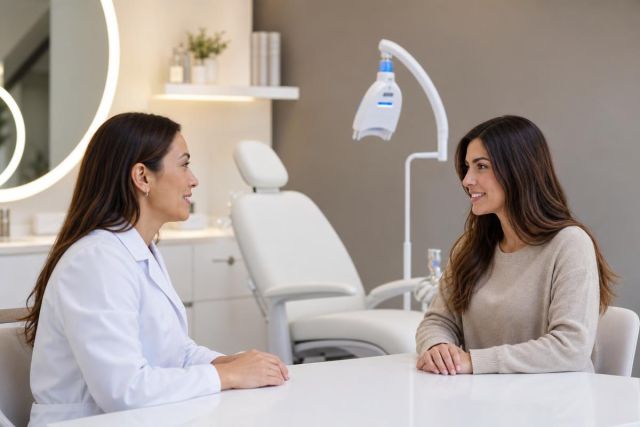
Look for salons that use approved whitening products and provide a thorough dental consultation before the procedure. This consultation should assess your dental health and suitability for whitening, preventing complications such as sensitivity or gum damage. The practitioner should explain the process, potential risks, and expected outcomes, allowing you to make an informed decision.
Checking customer reviews and accreditation from recognized professional bodies can also help confirm the service’s credibility. Positive feedback from previous clients and endorsements from dental associations indicate a higher likelihood of safe and effective treatment. Avoid salons that do not provide clear information about practitioner qualifications or use vague product descriptions, as these may indicate unregulated or unsafe practices that could put your dental health at risk.
Alternatives to Beauty Salon Teeth Whitening in the UK
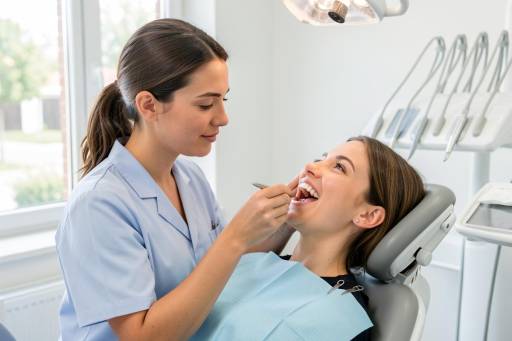
Professional teeth whitening treatments provided by dental clinics remain the safest and most effective option in the UK. Dentists use regulated bleaching agents tailored to your dental health, ensuring optimal results with minimal risk. These treatments include in-office whitening procedures, custom-made take-home trays, and supervised whitening kits that allow for gradual and controlled lightening of tooth enamel.
Dental clinics also provide a comprehensive oral health assessment before treatment, which identifies any issues that need addressing prior to whitening. This approach reduces complications such as increased sensitivity, gum irritation, or damage to existing dental restorations. By addressing cavities, gum disease, or enamel erosion beforehand, dental professionals help ensure that whitening treatments are both safe and effective.
If you prefer a non-dental setting, some beauty salons may offer whitening products with lower concentrations of bleaching agents that can be legally sold over the counter. However, these are generally less effective than professional treatments and may require longer application times or repeated use to achieve noticeable results. Additionally, without a professional assessment, there is a higher risk of adverse effects or suboptimal outcomes.
Choosing a dental professional ensures compliance with UK laws and your safety, with expert guidance throughout the whitening process and follow-up care if needed. Dentists can monitor your progress, manage any side effects, and adjust treatment plans based on your individual response. This level of care is not typically available in beauty salon settings, making dental clinics the preferred choice for those seeking reliable and safe teeth whitening.
Legal Changes and Future Outlook for Cosmetic Teeth Whitening in the UK
Recent years have seen increased attention from regulators on illegal teeth whitening practices in beauty salons across the UK. Authorities and professional bodies are working together to tighten enforcement and raise public awareness about the risks of unregulated treatments. These efforts include targeted inspections and public information campaigns aimed at educating consumers on the importance of choosing licensed providers. The goal is to reduce the number of unsafe procedures performed by unqualified individuals, which can lead to serious dental health problems.
There is ongoing discussion about updating legislation to clarify responsibilities and further restrict the availability of high-strength bleaching agents outside dental practices. Proposed changes could involve stricter licensing requirements for practitioners and enhanced penalties for non-compliance, including heavier fines and potential criminal charges. These measures are intended to close loopholes that currently allow some beauty salons to offer treatments that exceed legal limits or are administered without proper professional oversight.
These legal developments aim to promote patient safety and maintain professional standards within cosmetic dentistry. For consumers, this means an evolving but increasingly robust regulatory environment designed to protect your health and ensure safe access to cosmetic teeth whitening. It also means that individuals seeking whitening treatments should stay informed about the latest legal requirements and verify that any provider they choose is compliant with current laws.
Staying informed about these changes and choosing licensed providers is the best way to benefit from safe, effective whitening treatments in the UK. Patients should also be aware that the regulatory landscape may continue to evolve, so ongoing vigilance is important. Understanding the legal framework helps consumers avoid unregulated services that may jeopardize dental health or lead to unsatisfactory cosmetic results.
Find the Right Teeth Whitening Option for Your Smile
Answer a few short questions and HealthNode will help you connect with the right cosmetic dentist for safe and effective teeth whitening.
Your Teeth and Dental History
A few details help us understand whether whitening, cleaning, veneers, bonding, or another option may be more suitable.
Dental Health Check
This helps the dentist understand whether any dental issue should be checked before whitening.
Contact information
Your information is only used to contact you and is never shared with third parties.
Your request has been received!
Thank you. If you have recent dental photos, dental X-rays, previous whitening records, sensitivity history, or information about crowns, veneers, fillings, or bonding, please keep them ready. A HealthNode consultant will guide you through the next step.
Frequently Asked Questions
Q: Is teeth whitening at a beauty salon legal in the UK?
A: The legality depends on whether the salon complies with UK regulations, which generally require certain qualifications and licensing for teeth whitening procedures.
Q: What qualifications should a salon have to legally offer teeth whitening?
A: A salon should have a qualified dental professional or a licensed practitioner authorized to perform cosmetic dental procedures, following UK health and safety standards.
Q: Are over-the-counter teeth whitening products safe to use?
A: Over-the-counter products are generally regulated but may not be as effective or safe as professional treatments. It's advisable to consult a dental professional before use.
Q: What are the risks of getting teeth whitening at an unregulated salon?
A: Risks include potential damage to teeth and gums, ineffective results, and legal issues if the procedure is not compliant with UK regulations.
Q: How can I verify if a teeth whitening service is legal and safe?
A: Check if the salon employs qualified dental professionals, ask about their licensing, and look for reviews or accreditation from professional bodies.
The information provided is for educational purposes only and does not constitute medical advice. Always consult with a healthcare professional for medical guidance specific to your situation.