Quick Answer
Teeth whitening methods include professional in-office treatments, dentist-supervised at-home kits, over-the-counter products, and natural remedies involving lifestyle changes. Each method varies in speed, cost, effectiveness, and suitability depending on individual dental health and preferences.
- In-office teeth whitening uses high-concentration bleaching agents under professional supervision for rapid and noticeable results.
- At-home whitening includes over-the-counter products and dentist-supervised kits that offer gradual improvement with convenience and lower cost.
- Natural whitening methods focus on gentle approaches like baking soda brushing, oil pulling, and dietary changes to reduce staining and promote oral health.
- Professional treatments are ideal for quick results and severe discoloration but may cause temporary sensitivity and are more expensive.
- At-home methods require consistent use and adherence to instructions to ensure safety and effectiveness.
- Natural methods produce subtle whitening effects and are best used as complements to other treatments rather than standalone solutions.
- Choosing the right whitening method depends on factors such as desired speed of results, budget, dental health, and personal preferences.
What Are the Different Types of Teeth Whitening?
Teeth whitening is a widely sought-after cosmetic dental procedure designed to enhance the brightness and overall appearance of your smile by reducing various forms of tooth discoloration. This discoloration can stem from multiple sources including natural aging processes, consumption of certain foods and beverages like coffee, tea, and red wine, tobacco use, as well as side effects from some medications. With the increasing emphasis on personal appearance and confidence, many individuals turn to teeth whitening as a way to rejuvenate their smile and boost self-esteem.
There are several teeth whitening methods available, each with its own set of advantages, application processes, and timelines for visible results. These range from professional in-office treatments performed by dental experts, to dentist-supervised at-home kits, over-the-counter products, and natural remedies that rely on lifestyle adjustments. Each option caters to different needs, budgets, and preferences, providing varying degrees of convenience and effectiveness.
Understanding the differences between these methods is crucial for making an informed choice that aligns with your dental health, aesthetic goals, and daily routine. For instance, professional treatments offer rapid and controlled whitening with the benefit of expert supervision, which can be particularly important for individuals with sensitive teeth or underlying dental issues. On the other hand, at-home kits provide flexibility and gradual improvement but require consistent use and adherence to instructions to ensure safety and effectiveness.
Find the Right Teeth Whitening Option for Your Smile
Answer a few short questions and HealthNode will help you connect with the right cosmetic dentist for safe and effective teeth whitening.
Your Teeth and Dental History
A few details help us understand whether whitening, cleaning, veneers, bonding, or another option may be more suitable.
Dental Health Check
This helps the dentist understand whether any dental issue should be checked before whitening.
Contact information
Your information is only used to contact you and is never shared with third parties.
Your request has been received!
Thank you. If you have recent dental photos, dental X-rays, previous whitening records, sensitivity history, or information about crowns, veneers, fillings, or bonding, please keep them ready. A HealthNode consultant will guide you through the next step.
Ultimately, selecting the appropriate teeth whitening method involves weighing factors such as desired speed of results, cost considerations, safety, and the current condition of your teeth. By gaining a comprehensive understanding of these options, you can better navigate the choices available and achieve a brighter, more confident smile that complements your overall health and lifestyle.
Teeth Whitening: Essential Insights into Cosmetic Dentistry
Teeth whitening is a fundamental aspect of cosmetic dentistry that focuses on enhancing the visual appeal of your teeth by lightening their color and reducing discoloration. This discoloration can be caused by external factors such as the consumption of coffee, tea, red wine, tobacco products, and certain foods that stain the enamel over time. Internal factors, including aging, genetic predisposition, and the use of specific medications like tetracycline antibiotics, can also contribute to changes in tooth color.
The primary goal of cosmetic dentistry is not only to improve the appearance of your smile but also to support overall oral health. Teeth whitening treatments can restore a youthful and vibrant look by effectively removing or diminishing stains and discoloration that accumulate throughout life. Many individuals pursue whitening procedures to enhance their confidence, especially when preparing for significant life events, social interactions, or professional engagements where a bright smile can make a positive impression.
Modern teeth whitening techniques have evolved to be both safe and effective, particularly when performed under the supervision of a dental professional or when using products that adhere to established guidelines. These advancements have contributed to the growing popularity of whitening treatments as more people recognize the impact of a radiant smile on their self-image and social well-being.
It is important to note that while whitening can significantly improve tooth color, results may vary depending on the cause and extent of discoloration, as well as individual factors such as enamel thickness and oral hygiene habits. Consulting with a dentist can help determine the most suitable approach for your specific needs, ensuring both aesthetic satisfaction and dental safety.
In-Office Teeth Whitening: Fast and Effective Solutions
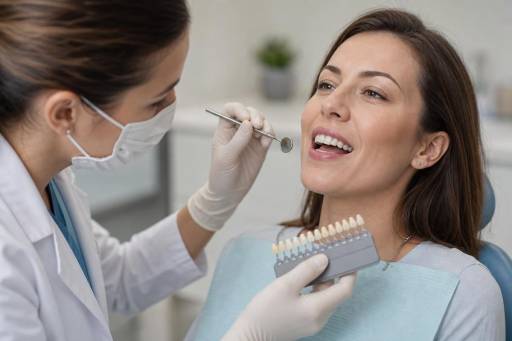
In-office teeth whitening is a professional dental procedure that utilizes high-concentration bleaching agents, typically containing hydrogen peroxide or carbamide peroxide, to achieve rapid and noticeable lightening of the teeth. This method is performed under the direct supervision of a dentist or dental hygienist, ensuring precise application and enhanced safety throughout the treatment.
The process begins with a thorough examination of your oral health to identify any issues such as cavities, gum disease, or enamel erosion that may need to be addressed prior to whitening. During the procedure, the dentist carefully prepares your teeth by cleaning them and protecting your gums and soft tissues with barriers or gels to prevent irritation from the bleaching agents.
Some in-office treatments incorporate advanced technologies such as special lights or laser devices that activate the whitening gel, accelerating the chemical reaction and enhancing the effectiveness of the procedure. This combination often results in teeth becoming several shades lighter within a single session, making it an ideal choice for individuals seeking immediate improvements, such as before a special event or important occasion.
While in-office whitening offers fast and dramatic results, it is generally more costly compared to at-home or over-the-counter options. Additionally, some patients may experience temporary tooth sensitivity or gum discomfort following treatment, which typically resolves with appropriate post-care measures. Dentists provide tailored advice on managing sensitivity and maintaining the whitening effects, including recommendations on oral hygiene practices and lifestyle adjustments.
Overall, in-office whitening is a highly effective solution for those dealing with severe discoloration or who desire quick enhancement of their smile, provided they are willing to invest in professional care and follow post-treatment guidelines to ensure long-lasting results and oral health.
At-Home Teeth Whitening: Convenience and Customization
At-home teeth whitening offers a convenient and accessible alternative to professional dental treatments, allowing individuals to whiten their teeth at their own pace and in the comfort of their homes. This approach includes a variety of products such as over-the-counter whitening strips, gels, trays, and toothpastes that contain bleaching agents in lower concentrations than those used in dental offices.
Over-the-counter options are widely available and generally affordable, making them popular for individuals seeking gradual improvement without the need for dental visits. Whitening strips and gels are typically applied daily for a specified period, often ranging from one to two weeks, and work by gradually breaking down stains on the tooth surface.
For enhanced safety and effectiveness, dentist-supervised whitening kits provide a middle ground between professional and over-the-counter methods. These kits often include custom-fitted trays made from impressions of your teeth, ensuring better contact with the whitening gel and reducing the risk of gum irritation. The gels used in these kits are usually stronger than those found in retail products but still less concentrated than in-office treatments.
It is essential to follow the instructions provided with any at-home whitening product carefully to minimize potential side effects such as gum irritation, tooth sensitivity, or uneven whitening. Consistency in application and adherence to recommended usage times are key factors in achieving optimal results.
While at-home whitening methods are generally more affordable and convenient, they may not be as effective for stubborn stains, deep discoloration, or intrinsic tooth color changes. In such cases, consulting a dental professional can help determine whether at-home treatments are suitable or if more intensive procedures are necessary. Additionally, individuals with sensitive teeth or dental restorations should seek professional advice before beginning any whitening regimen to ensure safety and compatibility.
Natural Teeth Whitening Methods: Gentle Alternatives
Natural teeth whitening methods focus on gentle, non-chemical approaches that aim to reduce staining and promote overall dental health. These methods often involve lifestyle modifications and home remedies that can complement more conventional whitening treatments or serve as mild alternatives for those with sensitive teeth or a preference for natural care.
Common natural techniques include brushing with baking soda, which has mild abrasive properties that can help remove surface stains. Oil pulling, typically using coconut oil, involves swishing the oil in the mouth for several minutes to reduce bacteria and plaque, potentially contributing to a cleaner and brighter smile. Additionally, consuming crunchy fruits and vegetables like apples, carrots, and celery can aid in mechanically cleaning teeth and stimulating saliva production, which helps neutralize acids and wash away food particles.
Dietary habits play a significant role in tooth coloration. Limiting the intake of staining beverages such as coffee, tea, red wine, and cola can prevent further discoloration. Quitting smoking is also crucial, as tobacco products are a major contributor to yellowing and staining of teeth. Maintaining a consistent oral hygiene routine, including regular brushing and flossing, supports natural whiteness by removing plaque and preventing the buildup of stains.
While these natural methods are generally safe and gentle, their whitening effects tend to be subtle and develop slowly over time. They are best used as part of a comprehensive oral care plan rather than as standalone solutions for significant discoloration. It is important to manage expectations regarding the degree of whitening achievable through natural means and to consult with a dental professional if more pronounced results are desired or if there are underlying dental concerns.
Choosing the Right Teeth Whitening Method for You
Selecting the right teeth whitening method involves a careful evaluation of several personal factors including your aesthetic goals, budget constraints, current dental health, and how quickly you wish to see results. Each whitening option offers distinct advantages and considerations that can influence your decision.
If your priority is achieving rapid and noticeable improvement in tooth color, and you have no significant dental issues such as sensitive teeth, gum disease, or extensive restorations, in-office whitening performed by a dental professional is often the most effective choice. This method provides controlled application of high-concentration bleaching agents, resulting in several shades of lightening within a single appointment. However, the higher cost and potential for temporary tooth sensitivity should be taken into account.
For individuals seeking a more cost-effective and flexible approach, at-home whitening kits, including those supervised by dentists, present a balanced option. These kits allow for gradual whitening over days or weeks, typically using custom-fitted trays and professional-grade gels that enhance safety and efficacy. They offer the convenience of treatment at your own schedule but require commitment to daily application and adherence to instructions to avoid side effects such as gum irritation or uneven whitening.
If you prefer to avoid chemical agents or have particularly sensitive teeth, natural whitening methods and lifestyle adjustments may be more suitable. While these approaches tend to produce milder and slower results, they contribute positively to oral health and can help maintain whiteness after professional treatments. Avoiding staining foods and drinks, quitting smoking, and maintaining excellent oral hygiene are essential components of this strategy.
Find the Right Teeth Whitening Option for Your Smile
Answer a few short questions and HealthNode will help you connect with the right cosmetic dentist for safe and effective teeth whitening.
Your Teeth and Dental History
A few details help us understand whether whitening, cleaning, veneers, bonding, or another option may be more suitable.
Dental Health Check
This helps the dentist understand whether any dental issue should be checked before whitening.
Contact information
Your information is only used to contact you and is never shared with third parties.
Your request has been received!
Thank you. If you have recent dental photos, dental X-rays, previous whitening records, sensitivity history, or information about crowns, veneers, fillings, or bonding, please keep them ready. A HealthNode consultant will guide you through the next step.
Before initiating any whitening regimen, consulting with a dental professional is advisable. A dentist can assess your oral health, identify any contraindications, and recommend the most appropriate method tailored to your needs. They can also provide guidance on managing potential side effects and maintaining whitening results over time.
Ultimately, the best teeth whitening method for you balances effectiveness, safety, convenience, and cost, while aligning with your personal preferences and dental condition. Ongoing care, including regular dental check-ups and avoiding habits that cause staining, will help sustain a bright and healthy smile.
Frequently Asked Questions
Q: How long do teeth whitening results typically last?
A: Teeth whitening results usually last several months to a few years, depending on your diet, oral hygiene, and lifestyle habits. Avoiding stain-causing foods and tobacco can help prolong the effects. Touch-up treatments may be needed to maintain brightness over time.
Q: Are teeth whitening procedures safe for sensitive teeth?
A: Many whitening options are safe for sensitive teeth when used as directed. Dentists may recommend specific products formulated for sensitivity. If you experience discomfort, reducing treatment frequency or using desensitizing toothpaste can help.
Q: Can natural teeth whitening methods replace professional treatments?
A: Natural methods can support dental health and mildly improve tooth color but generally do not replace the effectiveness of professional whitening. They are best used as complementary approaches alongside other treatments. Consult your dentist for guidance on combining methods safely.
Q: Is teeth whitening suitable for everyone?
A: Teeth whitening is not recommended for children under 16, pregnant or breastfeeding women, or individuals with certain dental conditions such as cavities or gum disease. A dental evaluation can determine if whitening is appropriate and safe for you.
Q: How do I maintain my teeth whitening results long term?
A: Maintaining good oral hygiene, avoiding tobacco, and limiting intake of staining foods and drinks help preserve whitening results. Using whitening toothpaste and scheduling periodic professional cleanings also supports long-lasting brightness.
The information provided is for educational purposes only and does not constitute medical advice. Always consult with a healthcare professional for medical guidance specific to your situation.