Quick Answer
Teeth whitening can brighten the color of crooked or unevenly shaped teeth but does not change their shape or alignment. It improves tooth color but does not correct structural dental issues.
- Teeth whitening effectively lightens stains and discoloration on the surface of teeth, enhancing smile brightness. Whitening does not alter the physical shape, position, or alignment of teeth. Crooked, crowded, or uneven teeth require orthodontic or restorative treatments for correction. Whitening can sometimes highlight irregularities by making teeth brighter without changing their contours. Complementary procedures like veneers, bonding, crowns, or orthodontics can address shape and alignment alongside whitening. A dental consultation is important before whitening to assess oral health and plan appropriate treatments. Whitening results vary on uneven surfaces, and post-treatment care is essential to maintain brightness and oral health.
What Teeth Whitening Can Change When Your Teeth Are Crooked or Unevenly Shaped
Teeth whitening is a widely used cosmetic dental procedure that effectively brightens the natural color of your teeth, enhancing the overall appearance of your smile. This improvement can be particularly beneficial for individuals with crooked or unevenly shaped teeth, as whitening helps reduce visible discoloration and surface stains, making the smile appear cleaner and more vibrant. However, it is important to understand that while whitening can improve tooth color, it does not correct structural issues such as misalignment, crowding, or irregular tooth shapes.
Many people with dental misalignment seek teeth whitening to boost their confidence and improve their smile aesthetics. Whitening can be a valuable first step in enhancing the appearance of your teeth, but it is crucial to have realistic expectations about what the procedure can achieve. Whitening treatments target surface and deeper stains but do not alter the physical form or positioning of teeth. Therefore, if your teeth are crooked or irregular, whitening alone will improve brightness but will not change the shape or alignment.
Understanding the realistic outcomes of teeth whitening helps you make informed decisions about your dental care. In some cases, additional cosmetic or orthodontic treatments may be necessary to address alignment or shape concerns fully. Whitening can complement these procedures by enhancing the color of your teeth, contributing to a more harmonious and attractive smile.
Find the Right Teeth Whitening Option for Your Smile
Answer a few short questions and HealthNode will help you connect with the right cosmetic dentist for safe and effective teeth whitening.
Your Teeth and Dental History
A few details help us understand whether whitening, cleaning, veneers, bonding, or another option may be more suitable.
Dental Health Check
This helps the dentist understand whether any dental issue should be checked before whitening.
Contact information
Your information is only used to contact you and is never shared with third parties.
Your request has been received!
Thank you. If you have recent dental photos, dental X-rays, previous whitening records, sensitivity history, or information about crowns, veneers, fillings, or bonding, please keep them ready. A HealthNode consultant will guide you through the next step.
Professional whitening treatments are designed to safely and effectively target stains caused by food, drink, smoking, or aging. However, for crooked or uneven teeth, addressing the form and positioning of your teeth requires different approaches, such as orthodontics or restorative dentistry. This guide aims to clarify what whitening can achieve, its limitations, and the complementary options available to enhance your smile safely and effectively, helping you set appropriate expectations and plan your dental care accordingly.
How Teeth Whitening Brightens Your Smile Despite Dental Misalignment
Teeth whitening works primarily by targeting discoloration and stains on the tooth surface, which are often caused by factors such as consumption of coffee, tea, red wine, tobacco use, and natural aging. The bleaching agents in whitening products penetrate the enamel and dentin layers of the teeth to break down these pigmented molecules, effectively lightening the overall shade of your teeth. This process lifts the color of your natural teeth, making your smile appear cleaner, fresher, and more vibrant.
Even if your teeth are crooked or uneven, whitening can still significantly enhance the brightness and reduce yellowing or dullness. The cosmetic improvement is most noticeable on the surfaces of your teeth that are visible when you smile or speak, which helps draw positive attention to your smile despite any underlying alignment issues. Whitening lightens the enamel and dentin but does not impact the shape, position, or structural aspects of your teeth.
While whitening can boost your confidence and improve the aesthetic appeal of your smile, it does not address other dental concerns such as crowding, gaps, or uneven tooth edges. These issues require different dental treatments, including orthodontics or restorative procedures, to correct the form and alignment of your teeth.
Therefore, teeth whitening should be viewed primarily as a color enhancement treatment rather than a solution for crooked or uneven teeth. It can be a valuable first step in a broader cosmetic dental plan, providing an immediate improvement in tooth color that complements other treatments aimed at reshaping or repositioning teeth. By understanding the scope and benefits of whitening, you can make informed decisions about how to best enhance your smile.
Limitations of Teeth Whitening for Crooked or Uneven Teeth
Teeth whitening treatments are designed solely to improve the color of your teeth by lightening stains and discoloration; they do not have the capability to straighten crooked teeth or alter their physical shape. The bleaching agents used in whitening products penetrate the enamel layer to break down pigmented molecules, effectively lightening the natural color of the tooth. However, these chemicals do not affect the tooth’s structure, alignment, or any underlying dental issues.
If your teeth are unevenly shaped, crowded, or misaligned, whitening alone will not address these cosmetic concerns. In fact, whitening may sometimes accentuate irregularities because while the teeth become brighter, their original contours and surface textures remain unchanged. For example, uneven edges, chips, or surface roughness may become more noticeable against the lighter background. Additionally, whitening cannot close gaps between teeth or correct bite problems, which require orthodontic or restorative interventions.
Because of these limitations, teeth whitening should not be viewed as a comprehensive solution for improving crookedness or reshaping teeth. If your primary goal is to correct alignment or tooth form, it is important to consult with a dental professional who can evaluate your specific needs. Treatments such as braces, clear aligners, dental veneers, or bonding may be recommended to address these concerns effectively.
Understanding these boundaries helps set realistic expectations for whitening outcomes and guides patients toward appropriate treatment plans. Whitening can significantly enhance the brightness of your smile, but it is best used as part of a broader cosmetic strategy when dealing with crooked or uneven teeth. Combining whitening with other dental procedures can provide a more balanced and aesthetically pleasing result.
Complementary Cosmetic Procedures to Enhance Your Smile
Several cosmetic dental procedures can complement teeth whitening to enhance the appearance of crooked or uneven teeth, providing a more comprehensive smile makeover. One popular option is dental veneers, which are thin shells made of porcelain or composite resin custom-crafted to cover the front surfaces of teeth. Veneers can mask irregularities in tooth shape, size, and color, creating a uniform and bright smile. They are particularly effective for correcting moderate alignment issues and improving the overall aesthetics of your teeth when combined with whitening treatments.
Another option is dental bonding, a minimally invasive procedure where tooth-colored resin is applied and sculpted onto the teeth to reshape them or fill gaps. Bonding is a more affordable and quicker alternative to veneers, suitable for minor cosmetic corrections such as chipped edges, small gaps, or uneven surfaces. While bonding does not last as long as veneers, it can be an excellent choice for patients seeking subtle improvements alongside whitening.
Orthodontic treatments, including traditional braces or clear aligners like Invisalign, gradually move teeth into better alignment over time. These options address the structural issues that whitening cannot fix. After completing orthodontic treatment, whitening can be performed to enhance the brightness of your newly aligned smile, resulting in a harmonious and attractive appearance.
Additional procedures such as dental crowns or enamel contouring may be recommended for teeth that are damaged, worn, or uneven due to natural wear or trauma. Crowns cover the entire tooth, restoring its shape and function, while contouring involves reshaping the enamel to smooth out irregularities. When combined with whitening, these treatments help achieve a balanced smile that addresses both color and form.
Consulting with your dentist about these complementary options allows you to develop a personalized treatment plan tailored to your cosmetic goals. By combining whitening with other procedures, you can enhance not only the brightness but also the shape and alignment of your teeth, resulting in a more confident and attractive smile.
Preparing for a Teeth Whitening Procedure When You Have Dental Concerns
Preparing for a teeth whitening procedure is especially important if you have dental concerns such as crooked or uneven teeth. Before starting treatment, a thorough dental consultation is essential to assess the overall health of your teeth and gums. Your dentist will examine for issues like cavities, gum disease, or tooth sensitivity, which may need to be addressed prior to whitening to ensure safety and effectiveness.
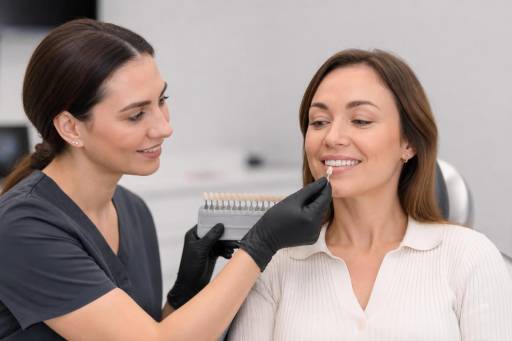
During this consultation, your dentist will also evaluate any existing dental restorations, including fillings, crowns, veneers, or bonding. These materials do not respond to whitening agents in the same way natural tooth enamel does, meaning they will not lighten in color. This can result in uneven coloration after treatment if restorations are present. Discussing these factors upfront allows your dentist to plan accordingly and may involve replacing or adjusting restorations to match the new tooth shade.
It is important to openly communicate your cosmetic goals and concerns, particularly regarding tooth shape and alignment. This dialogue helps your dentist recommend a comprehensive treatment plan that may combine whitening with other procedures, such as bonding or orthodontics, to achieve optimal aesthetic results. Treatment planning also includes evaluating the risk of increased tooth sensitivity or uneven whitening outcomes, especially on irregular tooth surfaces.
An individualized dental assessment ensures that the whitening procedure is both safe and effective for your unique dental condition. Your dentist may suggest preliminary treatments to improve oral health or recommend specific whitening methods tailored to your needs, such as in-office versus at-home options or lower concentrations of bleaching agents to minimize sensitivity.
Clear communication and thorough preparation help set realistic expectations and prepare you for the process ahead. This approach maximizes the likelihood of a successful whitening outcome while protecting your oral health and addressing any cosmetic concerns related to crooked or uneven teeth.
What to Expect During and After Your Teeth Whitening Treatment
Teeth whitening treatments typically involve the application of a bleaching agent, such as hydrogen peroxide or carbamide peroxide, to the surfaces of the teeth. This can be done professionally in a dental office, where higher concentrations of the bleaching agent are used under controlled conditions, or at home using custom-fitted trays provided by your dentist. The in-office procedure usually takes about an hour and may involve multiple short applications of the bleaching gel to achieve the desired level of whitening. Home treatments generally require daily use for several days or weeks, depending on the product strength and your specific goals.
The procedure itself is generally painless, but some patients may experience mild tooth sensitivity or gum irritation during or shortly after treatment. This sensitivity is typically temporary and can be managed with desensitizing toothpaste or by adjusting the frequency and duration of whitening sessions. It is important to inform your dentist if you experience significant discomfort so they can modify the treatment plan accordingly.
For teeth that have uneven surfaces, such as those with ridges, grooves, or irregular shapes, the whitening results may vary slightly. This occurs because the bleaching agent may not contact all areas equally, leading to subtle differences in shade across the tooth surface. Despite this, the overall brightening effect should still be noticeable and enhance the appearance of your smile. Your dentist may recommend additional follow-up sessions or touch-ups to achieve a more uniform shade if desired.
After the whitening procedure, it is crucial to follow post-treatment care instructions to maintain your results and minimize potential side effects. This includes avoiding foods and beverages known to stain teeth, such as coffee, tea, red wine, and certain berries, for at least 24 to 48 hours post-treatment. Maintaining good oral hygiene by brushing twice daily and flossing regularly helps prevent new stains from forming. Your dentist might also suggest using whitening toothpaste or occasional touch-up products to prolong the brightness.
Regular dental check-ups are important not only to monitor the brightness of your smile but also to ensure your overall oral health remains optimal. The longevity of whitening effects varies depending on individual lifestyle habits, such as diet, smoking, and oral care routines. For many patients, the whitening results can last from several months up to a few years. If you notice your teeth gradually returning to their previous shade, professional touch-ups or at-home maintenance treatments can help restore the brightness safely and effectively.
Find the Right Teeth Whitening Option for Your Smile
Answer a few short questions and HealthNode will help you connect with the right cosmetic dentist for safe and effective teeth whitening.
Your Teeth and Dental History
A few details help us understand whether whitening, cleaning, veneers, bonding, or another option may be more suitable.
Dental Health Check
This helps the dentist understand whether any dental issue should be checked before whitening.
Contact information
Your information is only used to contact you and is never shared with third parties.
Your request has been received!
Thank you. If you have recent dental photos, dental X-rays, previous whitening records, sensitivity history, or information about crowns, veneers, fillings, or bonding, please keep them ready. A HealthNode consultant will guide you through the next step.
Frequently Asked Questions
Q: Can teeth whitening fix crooked or uneven teeth?
A: No, teeth whitening only lightens the existing color of your teeth and does not alter their shape or alignment.
Q: Are there specific whitening products suitable for teeth with uneven surfaces?
A: Most professional whitening treatments are suitable regardless of tooth shape, but consult your dentist for personalized advice.
Q: What cosmetic options are available if I want to improve crooked or uneven teeth?
A: Options include veneers, dental bonding, crowns, or orthodontic treatments like braces or aligners.
Q: Will whitening make my crooked teeth look worse?
A: No, whitening can improve the overall appearance, but it does not affect the shape or alignment, which may require other treatments.
Q: How can I combine teeth whitening with other cosmetic dental procedures?
A: Discuss your goals with your dentist to develop a comprehensive treatment plan that may include whitening and other cosmetic procedures.
Q: Is teeth whitening safe for all dental conditions?
A: Generally yes, but your dentist will evaluate your dental health to ensure safety and effectiveness.
The information provided is for educational purposes only and does not constitute medical advice. Always consult with a healthcare professional for medical guidance specific to your situation.