Quick Answer
Existing crowns, veneers, or fillings should be checked before teeth whitening because these restorations do not respond to whitening agents like natural teeth, which can cause uneven color results and potential damage if untreated. A dental evaluation ensures restorations are in good condition and helps plan a safe, effective whitening treatment.
- Crowns, veneers, and fillings are made from materials that do not whiten like natural enamel, leading to possible uneven coloring after whitening.
- Damaged or poorly fitted restorations can worsen during whitening, causing sensitivity, discomfort, or damage.
- Whitening agents may cause surface changes in composite restorations, potentially increasing staining or roughness.
- A dental professional can assess restorations, recommend repairs or replacements, and tailor whitening treatments to protect oral health.
- Skipping evaluation risks color mismatch, damage to restorations, and increased dental costs due to premature repair or replacement.
- Dentists often suggest whitening natural teeth first, then adjusting restorations to achieve a uniform smile.
- Consulting a dentist before whitening helps set realistic expectations and ensures safe, effective cosmetic outcomes.
Why Should Existing Crowns, Veneers or Fillings Be Checked Before Teeth Whitening?
Existing crowns, veneers, or fillings should always be evaluated before undergoing teeth whitening procedures to ensure safe and effective treatment. These dental restorations do not respond to whitening agents the same way natural teeth do, which can lead to uneven color results or potential damage if left unchecked. A professional dental assessment ensures that your restorations are in good condition and helps your dentist plan a whitening treatment that protects your oral health while optimizing cosmetic outcomes.
Teeth whitening is a popular cosmetic dental procedure designed to brighten your smile by lightening the natural pigments in your teeth. However, materials used in crowns, veneers, and fillings are often resistant to bleaching agents and can behave differently during whitening. Without a proper evaluation, whitening treatments might highlight differences between natural teeth and restorations, causing uneven coloring or compromising the integrity of your dental work.
By consulting a dental professional before whitening, you can avoid risks such as restoration discoloration, damage, or the need for replacement. Your dentist can examine your restorations, identify any weaknesses or issues, and advise on the safest and most effective whitening approach tailored to your dental status. This careful preparation helps ensure a brighter, more uniform smile without unexpected complications.
Find the Right Teeth Whitening Option for Your Smile
Answer a few short questions and HealthNode will help you connect with the right cosmetic dentist for safe and effective teeth whitening.
Your Teeth and Dental History
A few details help us understand whether whitening, cleaning, veneers, bonding, or another option may be more suitable.
Dental Health Check
This helps the dentist understand whether any dental issue should be checked before whitening.
Contact information
Your information is only used to contact you and is never shared with third parties.
Your request has been received!
Thank you. If you have recent dental photos, dental X-rays, previous whitening records, sensitivity history, or information about crowns, veneers, fillings, or bonding, please keep them ready. A HealthNode consultant will guide you through the next step.
A dental consultation also provides an opportunity to discuss your cosmetic goals, understand the limitations of whitening treatments, and explore alternative options if needed. This collaborative approach empowers you to make informed decisions and maintain the health and beauty of your smile over the long term.
Assessing the Condition of Existing Dental Restorations Before Whitening
Evaluating the condition of your existing dental restorations before teeth whitening is essential to ensure the safety and effectiveness of the treatment. Crowns, veneers, and fillings are made from materials such as porcelain, composite resin, or metal alloys, which do not whiten like natural enamel. If these restorations are damaged, worn, or poorly fitted, applying whitening agents can worsen their condition or expose underlying tooth structures, leading to sensitivity or discomfort.
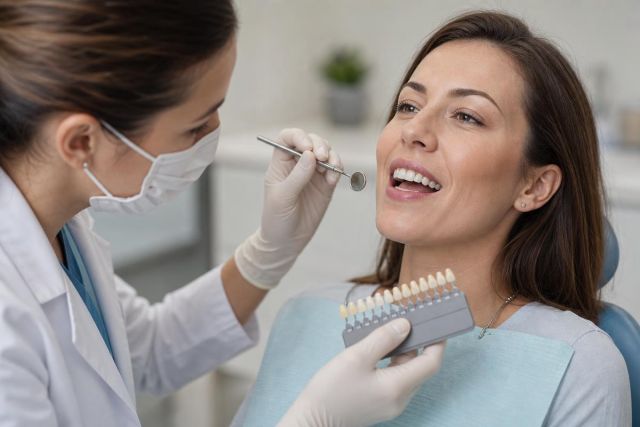
A thorough dental examination allows your dentist to check for cracks, chips, marginal gaps, or signs of wear around restorations that could increase tooth sensitivity or allow whitening agents to seep beneath them, causing irritation to the tooth pulp or surrounding gum tissue. This assessment also helps determine if any restorations require repair or replacement before whitening begins to maintain oral health and prevent complications.
Skipping this evaluation may result in uneven tooth color, as natural teeth lighten but restorations remain the same shade. This mismatch can be visually unappealing and might require additional dental work to correct, such as replacing restorations to match the new tooth color. Furthermore, untreated damage to restorations could worsen during whitening, leading to increased sensitivity, discomfort, or the need for emergency dental care.
Therefore, a professional assessment protects your investment in dental restorations and helps achieve the best cosmetic results from whitening. It also allows your dentist to tailor the whitening approach to your specific dental condition, minimizing risks and enhancing the overall success of the procedure.
How Existing Crowns and Veneers React to Teeth Whitening Treatments
Crowns and veneers are typically made from materials such as porcelain or composite resins, which do not chemically respond to bleaching agents used in teeth whitening. Whitening products primarily target organic pigments within natural tooth enamel, breaking down stains and lightening the color. Because restorations are made from inert materials, they remain unaffected by these bleaching agents, meaning your natural teeth may lighten while crowns and veneers retain their original shade.
In some cases, whitening agents can cause surface changes on composite-based restorations. These changes may lead to slight discoloration, a dull or roughened appearance, or increased surface porosity, which can make the restoration more prone to staining over time. Porcelain crowns and veneers tend to be more resistant to chemical changes but can still suffer from surface roughness or staining if exposed repeatedly to strong bleaching chemicals or abrasive whitening products.
Understanding these chemical and physical reactions is important because it explains why whitening treatments must be carefully planned when you have existing restorations. Dentists may recommend whitening your natural teeth first and then replacing or adjusting restorations afterward to achieve an even and harmonious smile. This approach helps maintain the durability and appearance of your dental work while enhancing the brightness of your natural teeth.
Patients should also be aware that whitening treatments will not alter the color of restorations, so any mismatch in shade after whitening may require restorative adjustments. Discussing these possibilities with your dentist helps you make informed decisions and set realistic expectations for your smile enhancement.
Risks of Whitening Over Unchecked Restorations
Whitening teeth without first checking the condition of crowns, veneers, or fillings carries several risks that can compromise both the appearance and health of your smile. One of the most common issues is uneven coloring, where your natural teeth become visibly lighter but restorations remain the same shade, resulting in an unbalanced and unnatural-looking smile. This color mismatch can be difficult to correct without further dental work.
Whitening agents may also aggravate damaged or compromised restorations. For example, bleaching gels can increase tooth sensitivity, weaken the bonding material that holds restorations in place, or even cause cracks and chips to develop. If there are marginal gaps or poor seals around restorations, bleaching gels may seep beneath them, irritating the underlying tooth structure or gum tissue and potentially causing discomfort, inflammation, or even infection.
Failing to assess restorations before whitening may also lead to the need for premature replacement or repair after the procedure, increasing your overall dental costs and treatment time. This can be frustrating and inconvenient, especially if the damage could have been prevented with a prior evaluation.
For these reasons, dental professionals strongly advise a thorough examination of all existing restorations before any whitening procedure. This precaution helps minimize complications, protects your oral health, and ensures that whitening treatments produce the most harmonious and aesthetically pleasing results possible.
Steps for a Safe and Effective Teeth Whitening Process
A safe teeth whitening process begins with a comprehensive dental check-up focused on your existing restorations. Your dentist will carefully examine your crowns, veneers, and fillings for any signs of damage, poor fit, or discoloration that could affect the outcome of whitening treatments. This initial evaluation is crucial because restorations do not respond to whitening agents the same way natural teeth do, and untreated issues may lead to uneven results or sensitivity.
The dentist may recommend polishing or repairing restorations before starting the whitening procedure to optimize their appearance and ensure a uniform color match. In some cases, restorations may need to be adjusted or even replaced after whitening to achieve a consistent and aesthetically pleasing smile. This step is especially important if the natural teeth lighten significantly while the restorations remain unchanged.
During the consultation, your dentist will discuss the most appropriate whitening methods tailored to your dental condition, taking into account factors such as tooth sensitivity, restoration type, and your cosmetic goals. They will also provide guidance on how to minimize potential side effects, such as increased tooth sensitivity or gum irritation, and protect your restorations throughout the process.
Following professional guidance throughout the whitening journey not only enhances safety but also maximizes the cosmetic benefits. It helps you set realistic expectations about the achievable results and the maintenance required to keep your smile bright. By working closely with your dental professional, you can ensure a whitening experience that is both effective and gentle on your existing dental work.
When to Consult a Dentist About Your Restorations and Whitening Options
You should consult a dentist before undergoing teeth whitening if you have existing crowns, veneers, or fillings to discuss how these restorations might influence your treatment outcomes. A professional evaluation is particularly important if you notice any discoloration, damage, discomfort, or changes related to your dental work, as these factors can affect both the safety and effectiveness of whitening procedures.
Dentists can provide personalized advice on whether whitening is suitable for your specific situation and may recommend alternative cosmetic treatments if whitening is unlikely to produce satisfactory results or could compromise your restorations. Early consultation helps you set realistic expectations regarding color improvement and the potential need for restoration replacement or adjustment.
Find the Right Teeth Whitening Option for Your Smile
Answer a few short questions and HealthNode will help you connect with the right cosmetic dentist for safe and effective teeth whitening.
Your Teeth and Dental History
A few details help us understand whether whitening, cleaning, veneers, bonding, or another option may be more suitable.
Dental Health Check
This helps the dentist understand whether any dental issue should be checked before whitening.
Contact information
Your information is only used to contact you and is never shared with third parties.
Your request has been received!
Thank you. If you have recent dental photos, dental X-rays, previous whitening records, sensitivity history, or information about crowns, veneers, fillings, or bonding, please keep them ready. A HealthNode consultant will guide you through the next step.
If you experience increased tooth sensitivity, uneven tooth color, gum irritation, or any other unusual symptoms during or after whitening, it is important to contact your dental professional promptly for assessment and management. These issues may indicate that your restorations are reacting adversely or that the whitening process needs to be modified.
Working closely with your dentist throughout the whitening process ensures that your smile enhancement is both safe and satisfying. Your dental professional can monitor your oral health, recommend appropriate products, and provide aftercare instructions to maintain the longevity and appearance of your restorations alongside your natural teeth.
Frequently Asked Questions
Q: Can teeth whitening change the color of my crowns or veneers?
A: Teeth whitening products generally do not change the color of crowns or veneers because these restorations are made from materials that do not respond to bleaching agents. This can result in uneven coloring if only your natural teeth lighten. Dentists often recommend whitening natural teeth first and then adjusting restorations to match the new shade.
Q: Is it safe to whiten teeth if I have old fillings?
A: It is important to have old fillings checked before whitening because damaged or worn fillings may react poorly to whitening agents, potentially causing sensitivity or damage. Your dentist can assess whether your fillings are in good condition and advise if any need repair before proceeding with whitening.
Q: How do dentists ensure even whitening with existing dental restorations?
A: Dentists evaluate the condition and color of your dental restorations before whitening. They may polish or repair restorations beforehand and plan the treatment to minimize uneven results. Sometimes restorations are replaced after whitening to achieve a harmonious smile.
Q: When should I see a dentist about whitening if I have dental restorations?
A: You should consult a dentist prior to any whitening procedure if you have crowns, veneers, or fillings. Professional advice helps prevent complications and ensures treatment is safe and effective. If you notice any problems with your restorations or experience sensitivity during whitening, see your dentist promptly.
The information provided is for educational purposes only and does not constitute medical advice. Always consult with a healthcare professional for medical guidance specific to your situation.