Table of Contents
How Do Dental Veneers Change the Appearance of Teeth?
Dental veneers are thin shells made of durable materials like porcelain or composite resin that cover the front surface of your teeth. They change the appearance of teeth by masking imperfections such as discoloration, chips, gaps, and minor misalignments, resulting in a more uniform and attractive smile. This cosmetic dental solution offers an immediate and effective way to enhance your teeth’s look with a natural finish.
When you choose dental veneers, you are opting for a technique widely used in cosmetic dentistry to improve both the color and shape of your teeth. Veneers are custom-made to fit your teeth perfectly, allowing your smile to look brighter and more harmonious. Their application is minimally invasive, preserving most of the natural tooth structure while providing a significant aesthetic upgrade.
Considering veneers can be especially appealing if you want to address multiple dental concerns simultaneously without extensive orthodontics or whitening treatments. They offer a versatile and long-lasting option to boost your smile’s appearance and, consequently, your confidence.
Find Out If Dental Veneers Are Right for Your Smile
Answer a few short questions and HealthNode will help you connect with the right cosmetic dentist or smile design specialist.
Your Teeth and Current Situation
This helps us understand whether veneers, bonding, crowns, whitening, or orthodontics may be more suitable.
Dental Health Check
A few details help the specialist understand whether any dental treatment may be needed before veneers.
Final Details
Share anything important so the specialist can better understand your expectations.
Contact information
Your information is only used to contact you and is never shared with third parties.
Your request has been received!
Thank you. If you have recent dental photos, dental X-rays, smile design plans, previous veneer or crown records, gum treatment notes, or orthodontic records, please keep them ready. A HealthNode consultant will guide you through the next step.
Dental Veneers Explained: What They Are and How They Enhance Your Smile
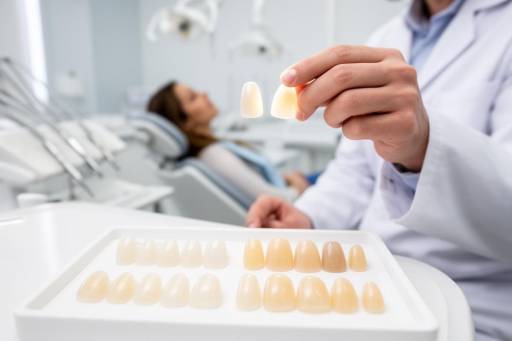
Dental veneers are ultra-thin layers crafted to cover only the front portion of your teeth. Typically made from porcelain or composite resin, these materials are chosen for their strength and ability to mimic natural tooth enamel. Porcelain veneers are fired in a dental lab to achieve a translucent, lifelike appearance, while composite veneers are sculpted directly onto the teeth by the dentist.
The process begins with a dental consultation to evaluate your oral health and goals. Your dentist will prepare your teeth by lightly etching the surface to help the veneer bond securely. For porcelain veneers, impressions are taken to fabricate the shells precisely, which are then bonded with special dental cement.
Veneers work by concealing flaws such as stains that do not respond well to whitening, worn edges, or uneven spacing. Because they are bonded to the enamel, they reinforce the tooth’s surface while providing a smooth, aesthetically pleasing look. This cosmetic dentistry method improves not just appearance but also the texture and shape of your smile.
Types of Dental Veneers and Their Aesthetic Benefits
There are two main types of dental veneers: porcelain and composite resin, each offering distinct advantages. Porcelain veneers are highly durable and resistant to stains, making them an excellent choice for a long-lasting, natural-looking finish. Their translucency closely replicates real tooth enamel, providing a vibrant, seamless smile enhancement.
Composite veneers, on the other hand, are more affordable and can often be completed in a single dental visit. They allow for easy repairs and adjustments but may not last as long as porcelain and are more prone to discoloration over time. Composite veneers are sculpted directly onto your teeth, giving your dentist control over the shape and contour during the procedure.
Choosing between these types depends on your aesthetic goals, budget, and how long you want the results to last. Both types can effectively improve teeth color, close small gaps, and correct minor shape irregularities, but porcelain veneers tend to offer superior cosmetic benefits for those seeking a premium smile transformation.
How Dental Veneers Can Improve Your Smile and Confidence
Dental veneers can dramatically enhance the appearance of your smile by correcting common cosmetic issues such as discoloration, chipped or worn teeth, and minor misalignments. By providing a uniform and bright surface, veneers help your teeth look healthier and more symmetrical, which is often associated with attractiveness and youthfulness.
This transformation can boost your confidence, encouraging you to smile more openly and engage socially without feeling self-conscious about dental imperfections. The psychological benefit of a renewed smile often extends beyond aesthetics, positively impacting self-esteem and overall quality of life.
Veneers can also be tailored to your desired shade and shape, allowing you to achieve a smile that complements your facial features naturally. Whether you want a subtle enhancement or a complete smile makeover, veneers provide a versatile solution that can meet diverse cosmetic needs.
The Dental Veneers Procedure: What to Expect
The dental veneers procedure typically involves multiple steps starting with an initial consultation where your dentist evaluates your teeth and discusses your goals. This visit includes X-rays and impressions to plan the treatment effectively. Preparation of your teeth involves removing a small amount of enamel to make room for the veneer and ensure a smooth fit.
For porcelain veneers, impressions are sent to a dental lab where the custom shells are fabricated, which can take one to two weeks. Meanwhile, temporary veneers may be placed to protect your teeth. Once ready, the permanent veneers are bonded to your teeth using special dental cement, which is hardened with a curing light for strong adhesion.
After placement, your dentist will check the fit, shape, and color to ensure a natural look and comfortable bite. Follow-up visits might be scheduled to monitor your veneers and oral health. You can expect some sensitivity initially, but with proper care, your veneers should feel like a natural part of your smile.
Risks, Maintenance, and Longevity of Dental Veneers
While dental veneers offer excellent cosmetic benefits, they come with some risks and maintenance needs. Veneers can chip or crack if exposed to excessive force, such as biting hard objects or grinding your teeth. It's important to avoid habits that place undue stress on your veneers to preserve their integrity.
Maintenance involves good oral hygiene practices including regular brushing and flossing to prevent decay around the veneer edges. Routine dental check-ups are essential to monitor your veneers and address any issues early. Avoiding staining substances like excessive coffee or tobacco helps maintain their appearance.
Typically, porcelain veneers can last between 10 and 15 years, while composite veneers may need replacement sooner, around 5 to 7 years. Their longevity depends largely on your oral care habits and lifestyle. Consulting with your dentist about the best maintenance routine and protective measures can help you enjoy your enhanced smile for many years.
Frequently Asked Questions
Q: What are dental veneers made of and how durable are they?
Find Out If Dental Veneers Are Right for Your Smile
Answer a few short questions and HealthNode will help you connect with the right cosmetic dentist or smile design specialist.
Your Teeth and Current Situation
This helps us understand whether veneers, bonding, crowns, whitening, or orthodontics may be more suitable.
Dental Health Check
A few details help the specialist understand whether any dental treatment may be needed before veneers.
Final Details
Share anything important so the specialist can better understand your expectations.
Contact information
Your information is only used to contact you and is never shared with third parties.
Your request has been received!
Thank you. If you have recent dental photos, dental X-rays, smile design plans, previous veneer or crown records, gum treatment notes, or orthodontic records, please keep them ready. A HealthNode consultant will guide you through the next step.
A: Dental veneers are usually made from porcelain or composite resin. Porcelain veneers are more durable and stain-resistant, typically lasting 10 to 15 years. Composite veneers are less durable but can be repaired easily and usually last 5 to 7 years with proper care.
Q: Who is a good candidate for dental veneers?
A: Good candidates have healthy teeth and gums without significant decay or periodontal disease. Veneers are ideal for people looking to correct cosmetic issues like discoloration, small chips, or gaps. A dental consultation can help determine if veneers suit your specific dental condition.
Q: How painful is the veneers procedure?
A: The procedure is generally well tolerated. Your dentist removes only a thin layer of enamel, often under local anesthesia to minimize discomfort. Some sensitivity after treatment is normal but usually subsides within a few days.
Q: How do I care for my veneers to make them last longer?
A: Maintain good oral hygiene by brushing twice daily and flossing. Avoid biting hard foods or objects and limit staining substances like coffee and tobacco. Regular dental check-ups will help ensure your veneers stay in good condition.
Q: Are dental veneers reversible?
A: Because some enamel is removed during preparation, veneers are considered a permanent cosmetic treatment. If you remove them, your natural teeth may require replacement restorations. Discuss all options with your dentist before proceeding.
The information provided is for educational purposes only and does not constitute medical advice. Always consult with a healthcare professional for medical guidance specific to your situation.