Table of Contents
How Is Denture Treatment Planned?
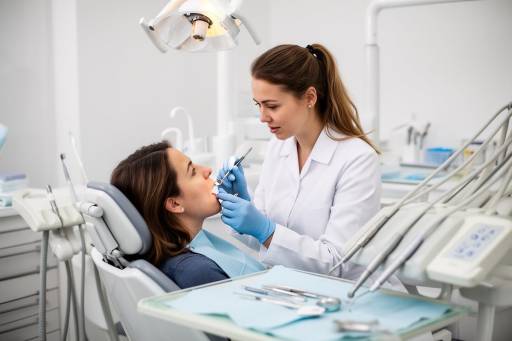
Denture treatment planning begins with a thorough and personalized assessment designed to ensure the best possible fit, function, and comfort for each patient. This process involves a detailed evaluation of your oral health, including the condition of your gums, any remaining teeth, and the structure of your jawbone. By understanding these factors, your dental professional can create a treatment plan tailored specifically to your unique needs. A well-planned denture treatment can restore your ability to eat, speak, and smile confidently, significantly improving your quality of life.
Planning your denture treatment is a collaborative effort between you and your dental professional. It includes clinical examinations, diagnostic imaging such as X-rays, and in-depth discussions about your preferences, lifestyle, and expectations. This open communication helps ensure that you are fully informed and comfortable with each step of the process, from initial assessment through to final placement.
Because every patient's situation is unique, denture treatment planning focuses on personalized care that balances medical considerations with your individual goals. This approach aims to maximize the success and longevity of your dentures while maintaining your oral health. By investing time and attention in this planning phase, both you and your dentist can work together to achieve a result that supports your long-term well-being and satisfaction with your dental prosthetics.
Restore Your Smile With Dentures or Full-Mouth Prosthetics
Answer a few short questions and HealthNode will help you connect with the right prosthodontic or restorative dental specialist.
Comfort, Function, and Appearance
This helps us understand whether you may need new dentures, denture adjustment, implant-supported dentures, or full-mouth prosthetics.
Dental History and Treatment Planning
A few details help the specialist understand whether you may need extractions, denture relining, implants, or full-mouth reconstruction.
Health and Prosthetic Factors
These details help the specialist understand any factors that may affect healing, denture fit, or implant-supported options.
Contact information
Your information is only used to contact you and is never shared with third parties.
Your request has been received!
Thank you. If you have dental X-rays, panoramic X-ray, CBCT scan, previous denture records, implant records, extraction notes, gum treatment records, or photos of your current dentures, please keep them ready. A HealthNode consultant will guide you through the next step.
Key Principles of Effective Denture Treatment Planning
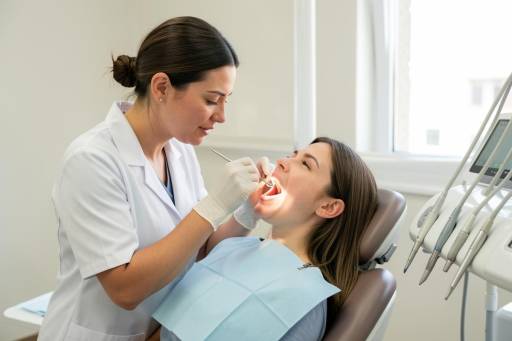
Denture treatment planning is a highly personalized process that begins with a comprehensive assessment of your oral condition. This initial evaluation is crucial because it establishes the foundation for creating dentures that fit well, function properly, and feel comfortable. During this assessment, your dental professional will carefully examine your gums, any remaining natural teeth, and your jawbone structure to understand your unique oral anatomy and health status.
Personalized dental care lies at the heart of denture treatment planning. This approach ensures that the dentures are specifically designed to accommodate your individual oral structures and meet your expectations for comfort, appearance, and functionality. Relying on a generic or one-size-fits-all approach often results in dentures that do not fit properly, causing discomfort, difficulty chewing, or speech problems.
The planning phase also involves a detailed discussion about your lifestyle, dietary habits, and any concerns or preferences you may have. For example, if you enjoy certain foods or have specific aesthetic goals, these factors will be integrated into the treatment plan. By combining your personal preferences with clinical findings, your dentist can tailor the treatment to support your long-term oral health and satisfaction with the dentures.
This thorough and individualized planning process helps ensure that the final dentures not only restore your oral function but also enhance your quality of life by enabling you to eat, speak, and smile with confidence.
Key Factors Dental Professionals Consider When Planning Dentures
When planning dentures, dental professionals consider several key factors to ensure the best possible outcome for each patient. The first step is a thorough oral health assessment, which involves checking for gum disease, infections, or other conditions that may require treatment before denture placement. A healthy oral environment is essential because it provides a stable and comfortable foundation for the dentures, reducing the risk of complications.
Bone structure analysis is another critical consideration. The shape, density, and volume of your jawbone influence how well dentures will fit and stay in place. If significant bone loss has occurred, which can happen over time after tooth loss, your dentist might recommend additional treatments such as bone grafting or the use of implant-supported dentures to improve stability and function.
Patient preferences and lifestyle factors also play a significant role in the planning process. Your dentist will discuss your aesthetic desires, comfort expectations, and daily activities to ensure the dentures meet your personal needs. For example, if you lead an active lifestyle or have specific dietary habits, these considerations will influence the choice of denture type and materials.
This collaborative approach between you and your dental professional helps balance clinical requirements with your individual goals. The result is a denture design that not only fits well and functions effectively but also feels natural and supports your confidence in everyday life.
Step-by-Step Process of Planning Your Denture Treatment
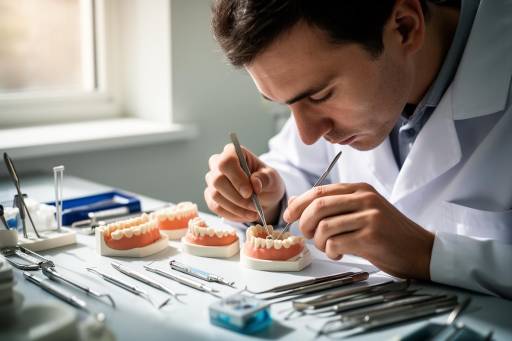
The process of planning your denture treatment typically begins with an initial consultation during which your dentist conducts a detailed oral examination and reviews your dental history. This step helps identify any existing oral health issues that need to be addressed before denture fabrication. Impressions of your gums and any remaining teeth are taken to create accurate models of your mouth, which serve as the basis for designing your dentures.
Following this, diagnostic imaging such as X-rays may be used to evaluate the condition of your bone structure and oral tissues. This imaging helps detect any underlying problems, such as bone loss or abnormalities, that could affect how well your dentures fit or whether preliminary treatments are necessary.
After completing the assessment, your dentist will develop a comprehensive treatment plan outlining the type of dentures recommended, the materials to be used, and the steps involved in fabrication and fitting. This plan includes scheduling appointments for try-in sessions, during which you can evaluate the fit, appearance, and comfort of the dentures before finalizing them.
Adjustment visits after denture placement are an essential part of the process. These follow-ups allow your dentist to address any discomfort, pressure points, or fit issues that may arise as you adapt to wearing your new dentures. Regular adjustments help fine-tune the prosthetics so they function well and feel comfortable during everyday use, ultimately contributing to your overall satisfaction and oral health.
Questions to Ask Your Dentist Before Starting Treatment
Engaging actively in your denture treatment planning by asking your dentist key questions is an important step toward a successful outcome. You might begin by asking about the different types of dentures available and which options are best suited to your oral condition, lifestyle, and aesthetic preferences. Understanding the range of choices, such as full versus partial dentures or implant-supported options, can help you make an informed decision that aligns with your needs.
Inquiring about the expected timeline from initial assessment to final placement is also valuable. This allows you to plan your schedule accordingly and understand each stage of the process, including any preliminary treatments that may be necessary. Knowing the steps involved helps set realistic expectations and reduces uncertainty.
It is helpful to ask about the potential discomfort or adjustment period after receiving your dentures and how your dentist will support you during this time. Understanding what to expect regarding soreness, speech adaptation, or eating challenges can prepare you mentally and physically. Additionally, clarifying maintenance requirements, such as daily cleaning routines and follow-up visits, ensures you are equipped to care for your dentures properly and maintain oral health.
Discussing any concerns about the aesthetics or function of your dentures is crucial to ensure the final result meets your personal goals. Whether you prioritize a natural appearance, ease of use, or durability, communicating these preferences allows your dentist to tailor the treatment accordingly. Good patient-dentist communication fosters trust and collaboration, which are vital for a positive treatment experience and long-term satisfaction with your dentures.
Maintaining Your Dentures for Long-Term Success
Proper denture maintenance is essential not only to ensure the durability of your dentures but also to maintain your overall oral health. Daily cleaning of your dentures using recommended methods helps prevent the buildup of plaque, staining, and unpleasant odors, all of which can affect both the appearance and hygiene of your dental prosthetics. It is important to use gentle cleaning techniques and avoid harsh or abrasive materials that could scratch or damage the surface of your dentures, as this can create areas where bacteria can accumulate.
Even if you wear full dentures, maintaining regular oral hygiene remains crucial. Cleaning your gums, tongue, and any remaining natural teeth helps reduce the risk of infections such as stomatitis or other oral irritations. This practice also promotes comfort by keeping your mouth healthy and free of irritants that could cause soreness or inflammation.
Your dentist will provide guidance on the most appropriate denture care products and techniques tailored to your specific type of dentures and oral condition. Following these instructions carefully, including soaking your dentures in recommended solutions as directed, helps preserve their quality and prolong their lifespan. Avoiding the use of bleach or boiling water is important, as these can warp or discolor your dentures.
Scheduling regular dental check-ups is another vital aspect of denture maintenance. These visits allow your dentist to assess the fit and function of your dentures, ensuring they remain comfortable and effective. Over time, changes in your mouth’s shape may require adjustments or relining of your dentures to prevent discomfort or slipping. Ongoing professional care supports your oral health and helps you enjoy the benefits of your dental prosthetics for many years.
Restore Your Smile With Dentures or Full-Mouth Prosthetics
Answer a few short questions and HealthNode will help you connect with the right prosthodontic or restorative dental specialist.
Comfort, Function, and Appearance
This helps us understand whether you may need new dentures, denture adjustment, implant-supported dentures, or full-mouth prosthetics.
Dental History and Treatment Planning
A few details help the specialist understand whether you may need extractions, denture relining, implants, or full-mouth reconstruction.
Health and Prosthetic Factors
These details help the specialist understand any factors that may affect healing, denture fit, or implant-supported options.
Contact information
Your information is only used to contact you and is never shared with third parties.
Your request has been received!
Thank you. If you have dental X-rays, panoramic X-ray, CBCT scan, previous denture records, implant records, extraction notes, gum treatment records, or photos of your current dentures, please keep them ready. A HealthNode consultant will guide you through the next step.
Frequently Asked Questions
Q: How long does it take to plan and get dentures?
A: The planning process for dentures varies depending on your individual needs and complexity of treatment. It can take anywhere from a few days to several weeks from initial assessment to final fitting. Your dentist will provide a timeline based on your specific situation.
Q: What should I consider before getting dentures?
A: Before getting dentures, consider your overall oral health and any treatments needed beforehand. Think about your budget, aesthetic preferences, and how the dentures will fit your lifestyle. Discuss all concerns with your dental professional to make an informed decision.
Q: Are there different types of dentures to choose from?
A: Yes, there are several types of dentures including full dentures, partial dentures, and implant-supported dentures. Each type serves different needs depending on how many teeth you need to replace and your jawbone condition. Your dentist can help determine which option is best for you.
Q: Is denture treatment painful or uncomfortable?
A: Some initial discomfort or adjustment period is common when you start wearing dentures. However, significant pain should be minimal. Your dentist can provide advice and adjustments to help improve comfort throughout the process.
Q: How can I ensure my dentures fit properly?
A: Proper denture fit is maintained through regular dental check-ups and adjustments. It's important to report any discomfort or changes in fit to your dentist promptly. Good maintenance and follow-up care support a comfortable and secure denture fit.
The information provided is for educational purposes only and does not constitute medical advice. Always consult with a healthcare professional for medical guidance specific to your situation.