Table of Contents
What Are Dentures and Full-Mouth Prosthetics?
Dentures and full-mouth prosthetics are dental appliances designed to replace missing teeth and restore oral function and appearance. They serve as effective solutions for people who have lost some or all of their natural teeth, helping to improve chewing, speech, and smile aesthetics. These prosthetics come in various forms tailored to individual needs, ranging from removable partial dentures to implant-supported full-mouth restorations.
Tooth loss can result from factors like decay, gum disease, or injury, and it affects not only dental function but also quality of life. Dentures and prosthetics offer a practical way to regain confidence and maintain oral health. Understanding the types available, their benefits, potential limitations, and the treatment process can empower you to make informed decisions about your dental restoration options, including when considering treatment abroad.
Essential Insights into Dentures and Full-Mouth Prosthetics
Dentures are removable dental appliances that replace missing teeth and the surrounding tissues. They restore basic functions such as chewing and speaking while improving the appearance of your smile. Full-mouth prosthetics refer to comprehensive dental restorations that replace all teeth in one or both jaws, often used when multiple teeth are lost or damaged. These can be removable dentures or fixed solutions like implant-supported prosthetics.
Restore Your Smile With Dentures or Full-Mouth Prosthetics
Answer a few short questions and HealthNode will help you connect with the right prosthodontic or restorative dental specialist.
Comfort, Function, and Appearance
This helps us understand whether you may need new dentures, denture adjustment, implant-supported dentures, or full-mouth prosthetics.
Dental History and Treatment Planning
A few details help the specialist understand whether you may need extractions, denture relining, implants, or full-mouth reconstruction.
Health and Prosthetic Factors
These details help the specialist understand any factors that may affect healing, denture fit, or implant-supported options.
Contact information
Your information is only used to contact you and is never shared with third parties.
Your request has been received!
Thank you. If you have dental X-rays, panoramic X-ray, CBCT scan, previous denture records, implant records, extraction notes, gum treatment records, or photos of your current dentures, please keep them ready. A HealthNode consultant will guide you through the next step.
The primary purpose of dentures and full-mouth prosthetics is to restore oral function and aesthetics. They help maintain facial structure by supporting muscles and prevent shifting of remaining teeth. With modern materials and techniques, these prosthetics can closely mimic natural teeth in appearance and feel.
Dental restoration with these devices is an important option for many people worldwide, especially those seeking cost-effective and reliable tooth replacement. They can significantly enhance oral health, self-esteem, and overall quality of life by enabling better nutrition and social interaction. Whether you need a partial replacement or a full set, understanding these devices helps you navigate your choices with confidence.
Types of Dentures and Prosthetic Options: Which One Is Right for You?
There are several types of dentures and full-mouth prosthetic options, each suited to different dental needs and personal preferences. Understanding these will help you identify what might work best for your situation.
-
Complete Dentures: These are full sets of removable teeth used when all natural teeth in a jaw are missing. They rest directly on the gums and are typically made of acrylic or a combination of acrylic and metal.
-
Partial Dentures: Used to replace one or more missing teeth when some natural teeth remain. They attach to the remaining teeth with metal clasps or precision attachments, preserving your existing teeth and filling gaps.
-
Implant-Supported Prosthetics: These involve dental implants surgically placed into the jawbone, which then support fixed or removable prosthetics. They offer greater stability, improved chewing function, and can help prevent bone loss.
-
Custom Dentures: Tailored individually for fit, shape, and color, custom dentures provide a more natural look and comfortable wear compared to standard options. They may be made using advanced digital imaging and materials.
Choosing the right type depends on factors like the number of missing teeth, jawbone health, budget, and lifestyle. Consulting with a dental professional can help determine the most suitable prosthetic for your oral health needs.
The Benefits and Limitations of Dentures and Full-Mouth Prosthetics
Dentures and full-mouth prosthetics offer several advantages that improve oral function and quality of life. They restore the ability to chew a wide variety of foods, which supports nutrition and digestion. These prosthetics also enhance speech clarity that can be compromised by missing teeth.
Aesthetically, they restore a natural-looking smile and support facial muscles, preventing the sunken appearance that can occur from tooth loss. This boost in confidence often translates to improved social interactions and mental well-being.
However, there are limitations to consider. Removable dentures may require a period of adjustment and can sometimes cause sore spots or discomfort. They also need regular maintenance and proper hygiene to prevent oral infections. Full-mouth prosthetics supported by implants offer better stability but involve surgical procedures and higher costs.
Choosing between options involves weighing these benefits and limitations alongside your personal health, preferences, and financial considerations. Understanding these factors helps you make a balanced decision tailored to your lifestyle and goals.
What to Expect During Treatment and Follow-Up Care
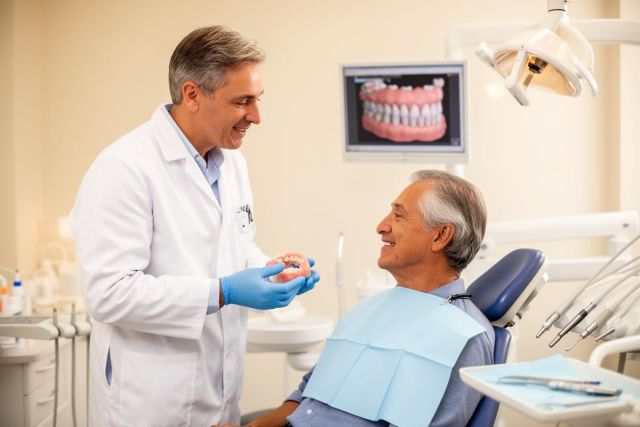
The treatment process for dentures and full-mouth prosthetics typically begins with an initial consultation and oral examination. Your dentist will assess your oral health, take impressions, and discuss your needs and expectations. This personalized evaluation guides the design and type of prosthetic recommended.
Fitting dentures involves multiple appointments to ensure comfort, proper bite alignment, and function. Adjustments may be necessary as you get used to wearing the new teeth. Implant-supported prosthetics require surgical placement of implants, followed by a healing period before the prosthetic teeth are attached.
Follow-up care includes regular check-ups to monitor fit and oral health. Dentures should be cleaned daily and removed at night to maintain gum health. Your dentist will provide detailed instructions on care and adjustments. Maintaining good oral hygiene and attending follow-ups help prolong the life of your prosthetics and prevent complications.
Choosing a Dental Provider Abroad: Tips for a Successful Experience
If you are considering dentures or full-mouth prosthetics abroad, selecting a reputable dental provider is crucial for safe and effective treatment. Start by researching clinics with accredited facilities and qualified, board-certified specialists in prosthodontics.
Check patient reviews and testimonials to gauge satisfaction and reliability. Ask about the clinic's experience with international patients and the languages spoken by staff to ensure clear communication.
Verify what technologies and materials the clinic uses, as these affect the quality and durability of your prosthetics. It’s also wise to inquire about treatment timelines, costs, and follow-up care arrangements.
Preparing questions ahead and seeking transparent information helps you build trust and make an informed choice for your dental restoration abroad. A thorough provider verification process supports a positive treatment outcome and peace of mind.
Restore Your Smile With Dentures or Full-Mouth Prosthetics
Answer a few short questions and HealthNode will help you connect with the right prosthodontic or restorative dental specialist.
Comfort, Function, and Appearance
This helps us understand whether you may need new dentures, denture adjustment, implant-supported dentures, or full-mouth prosthetics.
Dental History and Treatment Planning
A few details help the specialist understand whether you may need extractions, denture relining, implants, or full-mouth reconstruction.
Health and Prosthetic Factors
These details help the specialist understand any factors that may affect healing, denture fit, or implant-supported options.
Contact information
Your information is only used to contact you and is never shared with third parties.
Your request has been received!
Thank you. If you have dental X-rays, panoramic X-ray, CBCT scan, previous denture records, implant records, extraction notes, gum treatment records, or photos of your current dentures, please keep them ready. A HealthNode consultant will guide you through the next step.
Frequently Asked Questions
Q: How long do dentures typically last before replacement?
A: Dentures generally last between 5 to 10 years, depending on the material and care. Over time, changes in your mouth shape may require adjustments or new dentures to maintain fit and comfort. Regular dental check-ups help identify when replacement is needed.
Q: Are implant-supported prosthetics more comfortable than traditional dentures?
A: Implant-supported prosthetics tend to be more stable and comfortable because they are anchored directly to the jawbone. This reduces slipping and improves chewing efficiency compared to traditional removable dentures. However, they require surgical placement and sufficient bone health.
Q: Can I eat normally with full-mouth dentures?
A: While full-mouth dentures restore much of your chewing ability, it may take time to adapt to eating certain foods. Soft foods are easier initially, and avoiding very hard or sticky items helps protect your dentures. With practice, many people resume a varied diet comfortably.
Q: What daily care do dentures require?
A: Dentures should be removed and cleaned daily using a soft brush and denture cleanser to remove food particles and plaque. Soaking them overnight in a cleaning solution helps maintain their shape and hygiene. Proper care reduces the risk of gum irritation and infections.
Q: Is dental treatment abroad safe for getting dentures?
A: Dental treatment abroad can be safe if you choose accredited clinics with experienced specialists. Researching provider credentials, reading patient reviews, and understanding the treatment plan are essential steps. Ensure you have access to follow-up care and clear communication throughout your treatment journey.
The information provided is for educational purposes only and does not constitute medical advice. Always consult with a healthcare professional for medical guidance specific to your situation.
