Quick Answer
Glaucoma treatment cannot typically restore lost vision but is effective in preventing further vision loss by lowering intraocular pressure. Early detection and adherence to treatment are crucial for preserving remaining eyesight.
- Glaucoma causes irreversible damage to the optic nerve leading to permanent vision loss if untreated.
- Current glaucoma treatments, including eye drops, laser therapy, and surgery, focus on preventing further damage rather than restoring lost vision.
- Early detection and proactive management are essential to reduce the risk of severe vision loss from glaucoma.
- Regular eye exams and adherence to prescribed treatments are vital for monitoring and managing glaucoma effectively.
- Eye drops reduce intraocular pressure and help preserve remaining vision but do not restore lost sight.
- Laser therapy improves fluid drainage to lower eye pressure but may not be suitable for advanced glaucoma cases.
- Promising research in neuroprotection and gene therapy aims to develop future treatments that could potentially restore vision.
Can Glaucoma treatment restore lost vision?
Glaucoma treatment plays a crucial role in preserving vision for millions of people. This eye disease often leads to irreversible vision loss if left untreated. Early detection and proactive management are essential for maintaining eye health. Patients diagnosed with glaucoma must understand their treatment options and potential outcomes.
Exploring whether glaucoma treatment can restore lost vision is vital for those affected. Many people ask if treatments like eye drops or laser therapy can reverse damage. While some therapies effectively prevent further loss, they may not restore vision already lost. Understanding the limitations of glaucoma treatments helps patients set realistic expectations for their eye care journey.
The long-term effects of glaucoma treatment can vary from person to person. Factors such as the severity of the disease and compliance with prescribed treatments play key roles. Patients can improve their outcomes by following recommended care plans and attending regular eye exams. Engaging with your healthcare provider about concerns ensures the best approach to managing glaucoma effectively.
Get Support From an Eye Health Specialist
Answer a few short questions and HealthNode will help you connect with the right eye care specialist for your needs.
Share Your Symptoms
This helps us understand whether you may need routine care, vision correction, surgery consultation, or urgent eye review.
Eye History & Preferences
A few details help us route you to the right type of eye care specialist.
Final Details
Share anything important so the specialist can better understand your case.
Contact information
Your information is only used to contact you and is never shared with third parties.
Your request has been received!
Thank you. If you have recent eye exam results, glasses or contact lens prescription, eye pressure test, OCT, retinal images, visual field test, diabetes-related eye records, or previous surgery notes, please keep them ready. A HealthNode consultant will guide you through the next step.
5 Vital Facts About Glaucoma and Vision Loss
Glaucoma and vision loss are closely linked conditions that can have devastating effects. This eye disease gradually damages the optic nerve, leading to irreversible sight impairment. Recognizing the significance of early detection of glaucoma is crucial in preventing severe vision loss. Many patients may not realize the extent of damage until it becomes advanced.
Optic nerve damage occurs silently, making regular eye check-ups essential. Glaucoma often develops without noticeable symptoms in its early stages. Routine eye exams help identify this disease before it progresses. Patients diagnosed with glaucoma often report that they had no warning signs before vision loss began.
How does glaucoma cause vision loss? This condition typically increases intraocular pressure, which harms the optic nerve. As the nerve sustains damage, blind spots begin to appear in a person’s field of vision. Over time, these blind spots can expand, resulting in total loss of sight if untreated.
Adhering to prescribed treatment plans and attending regular follow-up appointments are vital. Patients must prioritize early detection of glaucoma to protect their eyesight. Engaging with healthcare professionals about any vision concerns is always a wise approach. Taking action now can lead to better outcomes in managing glaucoma effectively.
Can Glaucoma Treatment Reverse Vision Loss? The Truth Revealed
Can glaucoma treatment reverse vision loss? This question weighs heavily on many patients. Unfortunately, the reality is that most vision loss from glaucoma is permanent. Treatments primarily focus on preventing further damage rather than restoring lost vision.
Does glaucoma treatment restore vision? Current therapies, including medications and surgeries, are effective in managing the disease. These methods can lower intraocular pressure, which is crucial for protecting the optic nerve. However, they do not typically reverse existing damage that has already occurred.
Vision recovery after glaucoma treatment is largely dependent on the stage of the disease. Early intervention can significantly reduce the risk of severe vision loss. In some cases, patients may notice stabilization of their vision, but full restoration is rare. Regular monitoring and adherence to treatment plans are essential for the best possible outcomes.
Patients must remain proactive in their eye care journey. Seeking timely treatment and following prescribed therapies can help maintain remaining vision. Engage with your eye care provider to discuss any concerns or changes in vision. Taking these steps is vital for managing glaucoma effectively and minimizing future risks.
Top 4 Glaucoma Treatments: What They Can and Cannot Do
Top glaucoma treatment options are crucial for managing this eye disease. Each treatment method has its own strengths and limitations. Patients should be aware of how these options work and what they can expect. Knowing the differences helps in making informed decisions about eye care.
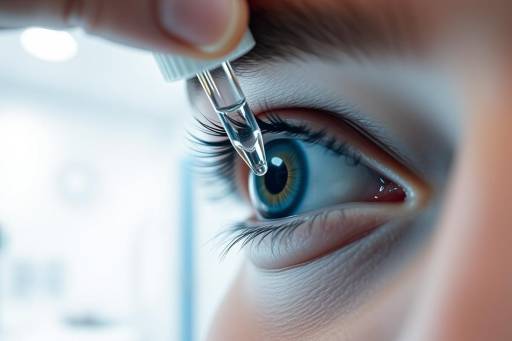
Eye drops for glaucoma are the most common initial treatment. These medications work by reducing intraocular pressure effectively. They help preserve remaining vision but do not restore lost sight. Consistent use is essential for achieving the best outcomes and minimizing further damage.
Laser therapy for glaucoma is another effective option. This treatment involves using focused light to improve fluid drainage. Many patients experience a significant reduction in eye pressure after the procedure. However, it may not be suitable for advanced cases. Patients should discuss the risks and benefits with their eye care provider.
Glaucoma surgery risks and benefits vary depending on individual cases. Surgical procedures aim to create new drainage pathways for fluid. While surgery can provide long-term pressure control, it carries potential complications. Patients need to weigh these factors against their current vision status. Staying informed about all available glaucoma treatment options is vital.
How to Protect Your Eyesight: Essential Glaucoma Eye Care Tips
How to protect your eyesight involves essential glaucoma eye care. Maintaining eye health is crucial for those diagnosed with this condition. Implementing effective strategies can help preserve vision and prevent further damage. Patients should prioritize proactive measures to manage their eye health.
Regular eye exams are vital for monitoring glaucoma progression. These check-ups allow healthcare providers to assess intraocular pressure and optic nerve health. Early detection of changes can lead to timely adjustments in treatment. Consistent follow-ups empower patients with the knowledge they need for managing glaucoma effectively.
Adhering to prescribed medications plays a significant role in preventing glaucoma progression. Eye drops must be used as directed to lower eye pressure. Missing doses can lead to increased risks of vision loss. Patients should create reminders to ensure they never skip a dose, as this will help maintain stable eye pressure.
Healthy lifestyle choices also contribute to effective glaucoma management. Eating a balanced diet rich in vitamins can support overall eye health. Engaging in regular physical activity helps improve circulation, benefiting the eyes. Staying informed about eye health tips for glaucoma is essential for long-term prevention. Consulting with your eye care provider about your individual care plan is always advisable.
Get Support From an Eye Health Specialist
Answer a few short questions and HealthNode will help you connect with the right eye care specialist for your needs.
Share Your Symptoms
This helps us understand whether you may need routine care, vision correction, surgery consultation, or urgent eye review.
Eye History & Preferences
A few details help us route you to the right type of eye care specialist.
Final Details
Share anything important so the specialist can better understand your case.
Contact information
Your information is only used to contact you and is never shared with third parties.
Your request has been received!
Thank you. If you have recent eye exam results, glasses or contact lens prescription, eye pressure test, OCT, retinal images, visual field test, diabetes-related eye records, or previous surgery notes, please keep them ready. A HealthNode consultant will guide you through the next step.
Promising Advances in Glaucoma Research for Vision Recovery
Promising advances in glaucoma research are paving the way for vision recovery. Ongoing studies are exploring innovative therapies that may restore lost eyesight. Researchers aim to find effective solutions for patients facing irreversible damage. These developments could significantly impact the future of glaucoma treatment.
Recent glaucoma research has focused on neuroprotection strategies. Neuroprotective agents aim to protect the optic nerve from damage. Trials are underway to assess their effectiveness in preventing further vision loss. Such advances in glaucoma therapy could lead to groundbreaking ways to preserve sight.
Gene therapy represents another exciting frontier in glaucoma research. This approach involves modifying genes to improve optic nerve health. Early studies show potential in reversing some aspects of optic nerve damage. If successful, gene therapy could revolutionize the way glaucoma is treated and managed.
Patients should stay informed about these advancements in glaucoma cure developments. Engaging with healthcare providers about new treatments can empower patients. Being proactive allows individuals to consider all available options for preserving their vision. Following ongoing research can lead to opportunities for improved eye health in the future.
Frequently Asked Questions
Q: What are the most common glaucoma treatment options?
A: Common glaucoma treatment options include eye drops and laser therapy. These methods help lower intraocular pressure effectively. Surgery is also available for advanced cases. Each option has unique benefits and potential risks.
Q: Can glaucoma be reversed if caught early?
A: Most glaucoma cases cannot be reversed once damage occurs. Early detection is crucial for preventing further vision loss. Treatments can help manage the disease effectively. Patients should prioritize regular eye exams for the best outcomes.
Q: How to manage glaucoma effectively at home?
A: Managing glaucoma effectively requires adhering to prescribed treatments. Regular eye check-ups are essential for monitoring progress. Maintaining a healthy lifestyle can also support eye health. Discussing concerns with your healthcare provider is important.
Q: What are the long-term effects of glaucoma treatment?
A: Long-term effects of glaucoma treatment vary by individual. Most treatments aim to stabilize vision and prevent decline. Some patients may experience side effects from medications. Regular evaluations help assess treatment effectiveness and adjust as needed.
Q: How does vision recovery after glaucoma treatment occur?
A: Vision recovery after glaucoma treatment is usually limited. Treatments primarily focus on preventing further damage rather than restoring sight. Patients may experience stabilization of their vision with effective management. Engaging in ongoing care is vital for maintaining eye health.
The information provided is for educational purposes only and does not constitute medical advice. Always consult with a healthcare professional for medical guidance specific to your situation.