Quick Answer
Doctors classify glaucoma into several types, including primary open-angle glaucoma, angle-closure glaucoma, and normal-tension glaucoma, each with distinct symptoms and risk factors. They use eye tests such as tonometry and visual field assessments to accurately identify the specific type and guide treatment.
- Primary open-angle glaucoma is the most common type and progresses slowly, often without symptoms until significant vision loss occurs.
- Angle-closure glaucoma can develop suddenly and causes severe eye pain, blurred vision, headaches, and nausea, requiring immediate medical attention.
- Normal-tension glaucoma involves optic nerve damage despite normal eye pressure and may not show symptoms until late stages.
- Eye tests like tonometry measure intraocular pressure, while visual field tests assess peripheral vision to help classify glaucoma types accurately.
- Family history and risk factors such as age, ethnicity, high blood pressure, and diabetes play a vital role in glaucoma risk and classification.
- Treatment options include prescription eye drops to reduce eye pressure and laser therapies to improve fluid drainage, tailored to the glaucoma type.
- Regular eye exams and early detection are crucial for managing glaucoma effectively and preventing irreversible vision loss.
How do doctors classify Glaucoma types?
Glaucoma classification is crucial for effective diagnosis and management. This eye condition affects millions, often leading to irreversible vision loss if untreated. Recognizing the types of glaucoma allows healthcare professionals to tailor treatment plans for each patient. Understanding these classifications empowers individuals to take charge of their eye health.
Different glaucoma types present unique symptoms and risk factors. For instance, primary open-angle glaucoma is the most common form, while angle-closure glaucoma can develop suddenly. Identifying how to recognize glaucoma types can lead to timely intervention and better outcomes. Early detection often saves sight and enhances the quality of life.
Patients should also be aware of how family history impacts their risk. Those with relatives who have glaucoma are at a higher risk for developing the condition. Discussing these factors with an eye care provider can lead to more personalized care. Staying informed about treatment options for various glaucoma types is essential for maintaining eye health and preventing complications.
Get Support From an Eye Health Specialist
Answer a few short questions and HealthNode will help you connect with the right eye care specialist for your needs.
Share Your Symptoms
This helps us understand whether you may need routine care, vision correction, surgery consultation, or urgent eye review.
Eye History & Preferences
A few details help us route you to the right type of eye care specialist.
Final Details
Share anything important so the specialist can better understand your case.
Contact information
Your information is only used to contact you and is never shared with third parties.
Your request has been received!
Thank you. If you have recent eye exam results, glasses or contact lens prescription, eye pressure test, OCT, retinal images, visual field test, diabetes-related eye records, or previous surgery notes, please keep them ready. A HealthNode consultant will guide you through the next step.
Top 4 Glaucoma Types Doctors Diagnose Frequently
Doctors frequently diagnose several types of glaucoma, each requiring specific care. Knowing the different types of glaucoma helps patients understand their condition. Primary open-angle glaucoma is the most common form. This type progresses slowly and often shows no symptoms until significant damage occurs.
Angle-closure glaucoma is another serious type that demands immediate attention. This condition can occur suddenly, causing severe eye pain and vision changes. Patients may experience nausea and headaches during an acute attack. Recognizing angle-closure glaucoma is crucial for preventing permanent vision loss.
Normal-tension glaucoma is less common but equally important. In this type, optic nerve damage occurs despite normal eye pressure. Patients may not notice symptoms until significant vision loss happens. This highlights the importance of regular eye exams in detecting this type early.
For proactive health management, understanding these common glaucoma types is vital. Regular check-ups with an eye care professional can lead to early detection. Knowing the symptoms and risk factors associated with each type is essential. Stay informed about your eye health and seek advice if you notice any changes.
Crucial Symptoms That Signal Different Glaucoma Types
Crucial symptoms that signal different glaucoma types vary significantly. Recognizing these symptoms is vital for early detection and treatment. Primary open-angle glaucoma often progresses without noticeable symptoms until significant damage has occurred. Patients may not realize they have a problem until vision loss is evident.
Angle-closure glaucoma presents distinct and alarming symptoms. This type can cause sudden eye pain and blurred vision. Patients might also experience headaches accompanied by nausea. These glaucoma warning signs require immediate medical attention to prevent irreversible damage.
Normal-tension glaucoma may not exhibit clear symptoms at first. Individuals often do not notice any changes until late stages. It is essential to maintain regular eye exams, as these can help detect early glaucoma symptoms. Awareness of risk factors can also be beneficial in identifying potential issues.
Being proactive about eye health involves recognizing these symptoms of different glaucoma types. Regular check-ups with an eye care professional can lead to timely diagnosis. If you notice any unusual changes in your vision, consult a doctor immediately. Taking these steps can help protect your eyesight and overall well-being.
How Doctors Use Eye Tests to Classify Glaucoma Accurately
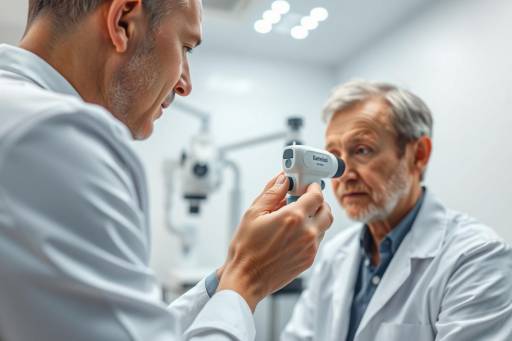
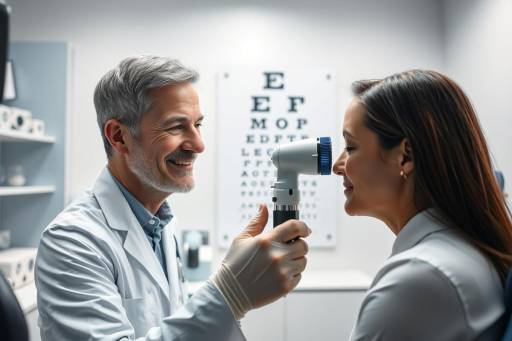
How doctors use eye tests to classify glaucoma accurately is essential for effective treatment. Eye exams are the foundation for glaucoma diagnosis and management. These tests help identify the specific type of glaucoma a patient may have. Accurate glaucoma classification enables tailored treatment plans for better health outcomes.
Tonometry is a common eye test for glaucoma that measures eye pressure. Elevated intraocular pressure often indicates a risk for glaucoma. However, this test alone does not confirm a diagnosis. Additional diagnostic tests for glaucoma types provide a more comprehensive picture of the patient’s condition.
Visual field tests are another critical component in glaucoma diagnosis. These tests assess peripheral vision and help detect vision loss. Changes in peripheral vision can signify optic nerve damage. Detecting these changes early is vital for preventing further deterioration.
Patients should prioritize regular eye exams to facilitate early glaucoma detection. Routine assessments allow doctors to monitor eye health closely. If you experience any symptoms or have risk factors, schedule an eye exam promptly. Being proactive can greatly enhance your chances of maintaining vision health.
Why Family History and Risk Factors Play a Vital Role in Glaucoma Types
Why family history and risk factors play a vital role in glaucoma types is crucial for patient awareness. Individuals with a family history of glaucoma are at a higher risk. Genetic factors can significantly influence the likelihood of developing this condition. Recognizing these risk factors is essential for timely diagnosis and intervention.
Glaucoma risk factors include age, ethnicity, and certain medical conditions. For example, older adults and individuals of African descent have a higher incidence. High blood pressure and diabetes can also increase susceptibility. Discussing these personal risk factors for glaucoma with a healthcare provider is vital for proactive care.
Screening for family history glaucoma can lead to early detection. If relatives have experienced vision loss from glaucoma, regular eye exams become paramount. Awareness of family history allows doctors to classify glaucoma types more effectively. This classification aids in creating tailored treatment plans based on individual needs.
Patients should prioritize their eye health, especially if they have risk factors. Regular check-ups can help monitor eye pressure and optic nerve health. If you have a family history of glaucoma, schedule an eye exam today. Taking these steps can significantly enhance your chances of preserving your vision.
Get Support From an Eye Health Specialist
Answer a few short questions and HealthNode will help you connect with the right eye care specialist for your needs.
Share Your Symptoms
This helps us understand whether you may need routine care, vision correction, surgery consultation, or urgent eye review.
Eye History & Preferences
A few details help us route you to the right type of eye care specialist.
Final Details
Share anything important so the specialist can better understand your case.
Contact information
Your information is only used to contact you and is never shared with third parties.
Your request has been received!
Thank you. If you have recent eye exam results, glasses or contact lens prescription, eye pressure test, OCT, retinal images, visual field test, diabetes-related eye records, or previous surgery notes, please keep them ready. A HealthNode consultant will guide you through the next step.
Essential Treatment Options for Various Glaucoma Types
Essential treatment options for various glaucoma types are crucial for preserving vision. Each type of glaucoma requires a tailored approach to manage eye pressure effectively. Patients may benefit from a combination of medications and therapies. Timely treatment can significantly slow disease progression and protect eyesight.
Glaucoma medication options are often the first line of defense. Prescription eye drops help reduce intraocular pressure by improving fluid drainage. Common medications include prostaglandin analogs and beta-blockers. Adhering to the prescribed regimen is vital for managing glaucoma effectively.
Laser therapy glaucoma is another effective treatment method. Procedures like selective laser trabeculoplasty help increase fluid outflow. This approach is often recommended when medications alone are insufficient. Laser therapy can provide lasting results and improve overall eye health.
Regular follow-ups are essential for monitoring progress and making necessary adjustments. If you have been diagnosed with glaucoma, discuss your treatment options today. Taking proactive steps can help manage glaucoma types and protect your vision for the future.
Frequently Asked Questions
Q: What are the main types of glaucoma classified by doctors?
A: Doctors classify glaucoma into several types, including primary open-angle glaucoma and angle-closure glaucoma. Each type has distinct characteristics and symptoms. Understanding the types of glaucoma is crucial for effective treatment.
Q: How do doctors identify different glaucoma types accurately?
A: Doctors use eye tests to identify glaucoma types accurately. These tests include tonometry and visual field assessments. They help determine the specific type of glaucoma and the best treatment options.
Q: What symptoms of different glaucoma types should I watch for?
A: Symptoms of different glaucoma types can vary widely. Primary open-angle glaucoma often shows no symptoms until advanced stages. Angle-closure glaucoma may cause sudden eye pain and blurred vision.
Q: How can I get treatment for various glaucoma types effectively?
A: Effective treatment for various glaucoma types includes medications and laser therapies. Eye drops are often the first line of treatment. Regular follow-ups with an eye care professional are essential for monitoring.
Q: When should I seek help for glaucoma symptoms?
A: Seek help immediately if you experience sudden changes in vision. Early detection is vital for managing glaucoma effectively. Regular eye exams can help identify potential issues before they worsen.
The information provided is for educational purposes only and does not constitute medical advice. Always consult with a healthcare professional for medical guidance specific to your situation.