Table of Contents
Can AI help in Glaucoma diagnosis?
Artificial intelligence (AI) is revolutionizing glaucoma diagnosis, making it a vital topic for patients. Glaucoma is a leading cause of irreversible blindness worldwide. Early detection is crucial for effective treatment and preserving vision. With advancements in AI technology, healthcare providers can offer more accurate and timely diagnoses. Patients can benefit from these innovations by gaining better access to eye care.
A key aspect of AI in glaucoma diagnosis is how AI assists in glaucoma detection. Advanced algorithms analyze images and data to identify potential issues. This technology can detect subtle changes in the eye that human eyes might miss. The integration of AI tools for eye disease detection enhances the accuracy and speed of assessments. Patients can feel more secure knowing that AI enhances their eye health.
Many eye care professionals recognize the benefits of AI-powered glaucoma screening. It not only streamlines the diagnostic process but also helps tailor treatment plans more effectively. Embracing these technological advancements can lead to improved outcomes for patients. As AI continues to evolve, its role in eye care will only grow. Staying informed about these developments is essential for anyone concerned about glaucoma diagnosis and management.
Get Support From an Eye Health Specialist
Answer a few short questions and HealthNode will help you connect with the right eye care specialist for your needs.
Share Your Symptoms
This helps us understand whether you may need routine care, vision correction, surgery consultation, or urgent eye review.
Eye History & Preferences
A few details help us route you to the right type of eye care specialist.
Final Details
Share anything important so the specialist can better understand your case.
Contact information
Your information is only used to contact you and is never shared with third parties.
Your request has been received!
Thank you. If you have recent eye exam results, glasses or contact lens prescription, eye pressure test, OCT, retinal images, visual field test, diabetes-related eye records, or previous surgery notes, please keep them ready. A HealthNode consultant will guide you through the next step.
5 Essential Ways AI Improves Early Glaucoma Diagnosis
AI in glaucoma diagnosis plays a transformative role in eye care. This technology enhances the ability of healthcare professionals to detect glaucoma early. By leveraging advanced algorithms, AI tools analyze data with remarkable precision. Early glaucoma diagnosis using AI leads to better treatment options and outcomes.
One major benefit of AI in glaucoma detection is improved accuracy. AI systems can evaluate optical coherence tomography scans, identifying subtle changes in the retina. These changes often indicate the onset of glaucoma before visible symptoms appear. The ability to detect these early signs greatly enhances patient outcomes and minimizes vision loss.
Speed is another advantage offered by artificial intelligence in eye care. AI can process large volumes of data quickly. This allows eye care providers to make timely decisions regarding patient treatment. Fast diagnosis is critical, as prompt intervention can prevent glaucoma progression. Patients benefit from more efficient screenings and quicker access to care.
Implementing AI tools for eye disease detection can empower patients and doctors alike. Eye care professionals should consider integrating these technologies into their practices. Patients should inquire about AI-assisted screenings during their next eye exam. Embracing these innovations can lead to better management of glaucoma and enhanced vision health. Stay informed about advancements in AI to make the best choices for eye care.
How AI-Powered Glaucoma Detection Technology Works
AI-powered glaucoma detection technology revolutionizes how eye care professionals diagnose this condition. This innovative approach leverages complex algorithms to analyze eye images. By utilizing AI tools for eye disease detection, healthcare providers can identify glaucoma at earlier stages. Early identification is essential for effective treatment and preserving vision.
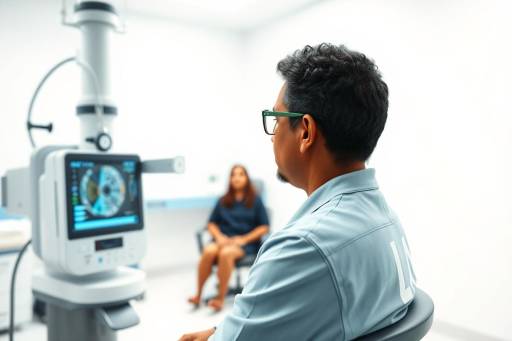
The process begins with AI eye scan analysis, where advanced software evaluates retinal images. High-resolution imaging techniques capture detailed views of the eye. AI algorithms then compare these images to large databases of historical data. This comparison allows the technology to identify patterns that indicate potential glaucoma risk, enhancing diagnostic accuracy.
AI tools can also assess other critical metrics, such as intraocular pressure. These measurements provide additional context that enhances the overall evaluation. The integration of various data points leads to a comprehensive assessment. The technology aids doctors in making informed decisions about treatment plans and interventions.
Patients should consider seeking AI-assisted glaucoma screenings during their routine eye exams. These screenings can provide more accurate assessments and quicker results. Embracing AI in glaucoma detection offers patients a proactive approach to managing their eye health. Staying informed about these advancements can lead to better outcomes and preservation of vision.
Top 4 Challenges Facing AI in Glaucoma Screening Today
Top challenges facing AI in glaucoma screening today limit its effectiveness. Despite significant advancements, several factors hinder widespread implementation. These challenges can affect AI accuracy in eye care, leading to potential misdiagnoses. Addressing these issues is crucial for improving patient outcomes and trust in technology.
Data privacy concerns remain a significant obstacle in AI implementation. Many AI tools rely on vast datasets to learn and improve. Protecting patient information is essential to maintain confidentiality and trust. Ensuring compliance with regulations can complicate the deployment of glaucoma screening with artificial intelligence.
Another challenge involves the need for expert oversight. AI tools can analyze data quickly, but human interpretation remains vital. Eye care professionals must validate AI findings to ensure accurate diagnoses. This reliance on human expertise can slow down the process, impacting the efficiency of AI tools.
Technical limitations also pose challenges for AI in glaucoma detection. Not all AI systems perform equally well across diverse populations. Variability in data quality can lead to discrepancies in results. Overcoming these limitations requires continuous improvement and adaptation of AI tools.
Vital Benefits of AI for Patients and Eye Care Professionals
Vital benefits of AI for patients and eye care professionals are transforming glaucoma management. Artificial intelligence eye care enhances diagnostic accuracy and efficiency. With AI tools, both patients and doctors can achieve better health outcomes. Improved detection methods lead to more effective treatment plans for glaucoma patients.
One significant advantage is the speed of diagnosis. AI algorithms can analyze eye images faster than traditional methods. This faster glaucoma diagnosis helps eye care professionals make timely decisions. Quick assessments are essential for preventing vision loss and ensuring proper treatment.
Another important benefit is personalized glaucoma management. AI can tailor treatment plans based on individual patient data. By analyzing specific characteristics, AI helps create customized approaches. This personalization improves engagement and adherence to treatment protocols, leading to better patient satisfaction.
Discussing AI's role in their glaucoma care can lead to improved health outcomes. Embracing the benefits of AI tools can empower patients to take control of their eye health. Staying informed about advancements in artificial intelligence can enhance the overall experience in glaucoma management.
Get Support From an Eye Health Specialist
Answer a few short questions and HealthNode will help you connect with the right eye care specialist for your needs.
Share Your Symptoms
This helps us understand whether you may need routine care, vision correction, surgery consultation, or urgent eye review.
Eye History & Preferences
A few details help us route you to the right type of eye care specialist.
Final Details
Share anything important so the specialist can better understand your case.
Contact information
Your information is only used to contact you and is never shared with third parties.
Your request has been received!
Thank you. If you have recent eye exam results, glasses or contact lens prescription, eye pressure test, OCT, retinal images, visual field test, diabetes-related eye records, or previous surgery notes, please keep them ready. A HealthNode consultant will guide you through the next step.
How to Prepare for an AI-Assisted Glaucoma Screening
Preparing for an AI-assisted glaucoma screening can enhance the experience. This process involves specific steps to ensure accuracy and comfort. Patients should know what to expect with AI eye exams to feel more at ease. Being well-prepared can lead to better outcomes during glaucoma screening with artificial intelligence.
First, gather relevant medical information before your appointment. Bring a list of medications you currently take. Inform your eye care provider about any existing health conditions. Sharing this information helps the AI tools analyze your risk more effectively.
Next, consider your lifestyle habits. Patients should avoid caffeine or stimulants before the exam. These substances can affect eye pressure measurements. Staying hydrated is essential, but limit heavy meals right before the screening.
Discuss any concerns or questions with your eye care provider. Open communication allows for a more tailored experience during AI-assisted glaucoma screening. Patients should feel empowered to ask about the technology and its benefits. Embracing this advanced approach can significantly improve the management of their eye health.
Frequently Asked Questions
Q: What is AI in glaucoma diagnosis?
A: AI in glaucoma diagnosis refers to technology that improves detection. It analyzes eye images to identify early signs of glaucoma. This technology enhances accuracy and speeds up assessments. Patients benefit from timely interventions and better treatment outcomes.
Q: How does glaucoma detection technology work?
A: Glaucoma detection technology uses advanced algorithms to analyze images. AI tools for eye disease detection evaluate data efficiently. This analysis helps identify potential glaucoma risks early. Patients receive faster and more accurate diagnoses through this process.
Q: How does AI assist in glaucoma screening?
A: AI assists in glaucoma screening by analyzing eye scans. It detects subtle changes that may indicate glaucoma. These insights help eye care professionals make informed decisions. Early glaucoma diagnosis using AI can prevent vision loss.
Q: When should I consider AI-assisted glaucoma screening?
A: Consider AI-assisted glaucoma screening during routine eye exams. If you have a family history of glaucoma, early detection is crucial. Discuss any concerns with your eye care provider. They can advise on the best screening options available.
Q: Can AI tools improve my glaucoma management?
A: Yes, AI tools can significantly improve glaucoma management. They provide personalized treatment plans based on individual data. This technology allows for more tailored approaches to care. Patients often experience better outcomes with AI-assisted management.
The information provided is for educational purposes only and does not constitute medical advice. Always consult with a healthcare professional for medical guidance specific to your situation.