Beard Transplant

A beard transplant restores facial hair by transplanting hair follicles, typically from the scalp, to patchy or thin areas of the beard. Discover how this procedure can help you achieve a fuller, well-defined beard.

Need guidance beyond these articles?

Connect with our coordination team to understand your options and choose a suitable next step for your condition.

Get Free Consultation
Private request • Coordination support

Need guidance beyond these articles?

Connect with our coordination team to understand your options and choose a suitable next step for your condition.

Get Free Consultation
Private request • Coordination support

Beard Transplant

Beard hair transplant is a specialized hair restoration procedure designed to create, enhance, or repair facial hair growth in the beard, mustache, and sideburn areas. For many men, a full and well-shaped beard is an important feature that represents masculinity, confidence, and style. However, genetics, hormonal imbalances, scarring, or previous medical conditions can lead to patchy, uneven, or thin facial hair. A beard hair transplant provides a permanent solution by using advanced techniques to transplant healthy hair follicles from the scalp—usually the back of the head—into areas of the face where hair growth is sparse. This modern cosmetic procedure has become increasingly popular worldwide, offering men the opportunity to achieve a natural, dense, and well-defined beard.

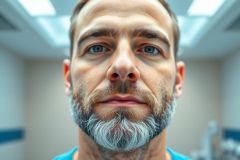
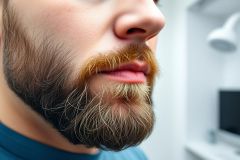
The causes of patchy or thin beards vary. For many men, genetics play the primary role, as inherited traits determine the density and distribution of facial hair. Hormonal factors, particularly low levels of testosterone or dihydrotestosterone (DHT), can also contribute to poor beard growth. Injuries, burns, acne scars, or surgical scars may create areas where hair no longer grows. Some men experience medical conditions such as alopecia areata, which causes hair loss in patches. Regardless of the cause, beard transplantation has proven to be a highly effective treatment for restoring a consistent and natural-looking beard.

The techniques used in beard hair transplantation are typically based on Follicular Unit Extraction (FUE) or Direct Hair Implantation (DHI). In FUE, individual hair follicles are harvested one by one from the donor area and then implanted into the facial region. In DHI, the Choi implanter pen is used to directly place follicles without the need for creating separate incisions. Both methods offer high precision, minimal scarring, and quick recovery. Surgeons carefully plan the direction, angle, and density of the transplanted hairs to ensure the results look authentic and match the natural growth pattern of facial hair. FUT (Follicular Unit Transplantation) is less commonly used due to its invasive nature and visible scarring, making FUE and DHI the preferred techniques for facial hair restoration.

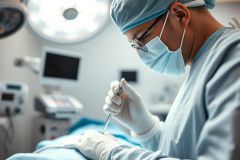
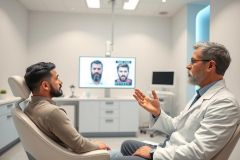
The procedure of beard hair transplant is performed under local anesthesia, ensuring comfort throughout the process. It begins with the extraction of healthy hair follicles from the donor area—typically the back of the scalp, where hair is thick and genetically resistant to balding. The surgeon then designs the desired beard shape in collaboration with the patient, considering facial symmetry, natural contours, and personal preferences. Grafts are meticulously implanted into the beard, mustache, and sideburn regions, with attention to creating a natural hairline and even density. Depending on the extent of the transplant, the procedure can last anywhere from 4 to 8 hours, and several thousand grafts may be transplanted in a single session.

The results of beard hair transplant are permanent and natural. In the weeks following the procedure, transplanted hairs may shed temporarily—a normal phase known as “shock loss”—before regrowth begins within three to four months. Over time, the new beard thickens, and full results typically appear within 9 to 12 months. Once fully grown, transplanted beard hair can be trimmed, shaved, and styled just like natural facial hair, giving men full control over their desired look. Because scalp hair is used, the transplanted beard maintains the same texture, which closely resembles natural facial hair over time.

The advantages of beard hair transplantation extend beyond cosmetic improvement. For many men, having a fuller beard enhances self-esteem, boosts confidence, and creates a more masculine or mature appearance. It also provides the flexibility to experiment with different styles, from subtle stubble to a thick, defined beard. Unlike temporary solutions such as topical treatments or cosmetic fillers, beard transplantation offers a permanent and lifelong solution. Modern surgical methods also ensure minimal discomfort, faster healing, and nearly invisible scarring, making the procedure safe and effective when performed by skilled specialists.

However, beard transplants also come with considerations and potential risks. Temporary redness, swelling, and scabbing in both donor and recipient areas are common and usually resolve within a week. Rare complications may include infection, uneven growth, or ingrown hairs. Proper aftercare is essential for achieving the best results, including following cleaning instructions, avoiding direct sunlight, and refraining from shaving the transplanted area until it has healed. Choosing an experienced surgeon with expertise in facial hair transplantation is critical to ensuring natural, symmetrical, and long-lasting outcomes.

The future of beard hair transplant technology is advancing with innovations such as robotic-assisted FUE, stem cell research, and regenerative medicine. These advancements aim to increase graft survival rates, expand donor availability, and further improve the precision of implantation. As global demand for beard restoration continues to grow, the procedure is becoming more accessible, affordable, and refined, making it one of the fastest-growing segments of cosmetic hair transplantation.

Beard hair transplant has transformed the way men approach facial aesthetics, offering a permanent, natural, and reliable solution for patchy or thin beards. By combining medical expertise with artistic design, this procedure allows men to achieve the beard they have always desired, enhancing not only their appearance but also their confidence and overall quality of life.

Loading...