DHI

Direct Hair Implantation (DHI) is an advanced technique that uses a specialized pen to implant hair follicles directly into the scalp. Explore how DHI offers precise placement, natural results, and minimal downtime.

Need guidance beyond these articles?

Connect with our coordination team to understand your options and choose a suitable next step for your condition.

Get Free Consultation
Private request • Coordination support

Need guidance beyond these articles?

Connect with our coordination team to understand your options and choose a suitable next step for your condition.

Get Free Consultation
Private request • Coordination support

DHI

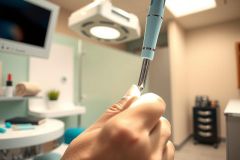
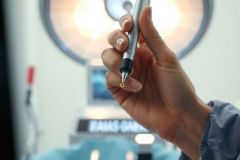
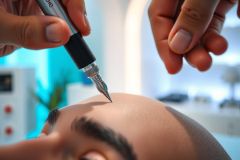
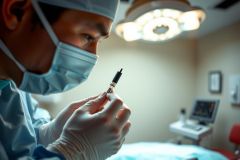
DHI hair transplant (Direct Hair Implantation) is one of the most advanced and innovative methods in modern hair restoration. Building upon the principles of Follicular Unit Extraction (FUE), DHI uses a specialized tool called the Choi implanter pen, which allows surgeons to extract and implant hair follicles directly into the recipient area without the need to create incisions or channels beforehand. This unique approach provides greater control over the depth, angle, and direction of each graft, resulting in denser, natural-looking, and long-lasting hair growth. DHI hair transplant has become highly popular worldwide, especially among patients seeking minimally invasive treatment with faster recovery and refined cosmetic outcomes.

The procedure of DHI hair transplantation is meticulously performed by trained specialists. First, hair follicles are carefully extracted from the donor area—typically the back or sides of the scalp—using micro punches that leave tiny, nearly invisible scars. Unlike traditional FUE, where extracted follicles are stored before implantation, in DHI each follicle is immediately placed into the thinning or balding areas using the Choi pen. This direct method ensures minimal handling of grafts, reduces their exposure time outside the body, and improves their survival rate. The precision of the implantation process also allows for higher density and natural alignment of hair follicles, especially along the hairline where aesthetic detail is most important.

The results of DHI hair transplant are both permanent and natural, as transplanted follicles are resistant to the hormone dihydrotestosterone (DHT), which causes pattern baldness. Patients may notice initial shedding of transplanted hair within the first few weeks—a normal stage known as shock loss—but new hair growth typically begins within three to four months. Full results are usually visible after 9 to 12 months, with dense, thick hair that blends seamlessly with existing growth. One of the key advantages of DHI is its ability to achieve higher graft survival rates and greater precision in shaping natural-looking hairlines.

The advantages of DHI hair transplantation are numerous. Because there is no need for pre-made incisions, the procedure is less invasive, reduces bleeding, and minimizes trauma to the scalp. This method also offers faster healing times, allowing patients to return to normal activities within just a few days. The Choi pen technique provides surgeons with full control over the angle and direction of each follicle, ensuring that the new hair matches the patient’s natural growth pattern. Additionally, the reduced handling of follicles significantly improves graft survival, resulting in thicker, healthier outcomes compared to some traditional methods. For many patients, DHI represents the most advanced option available in hair restoration.

Despite its benefits, DHI hair transplant also has considerations and limitations. The procedure can be more time-consuming than standard FUE, as each follicle is implanted individually with extreme precision. This makes it best suited for patients requiring moderate coverage rather than large-scale transplants in a single session. The cost of DHI is generally higher than FUE or FUT due to the specialized tools, advanced techniques, and additional training required for surgeons. Temporary side effects such as swelling, redness, or scabbing in the donor and recipient areas are common but resolve within a week. Choosing an experienced clinic is essential to achieving the best possible results.

The future of DHI hair transplant continues to evolve with advancements in surgical tools, robotic assistance, and regenerative medicine. Emerging research into stem cell therapy and hair cloning may eventually complement DHI, allowing for even greater density and availability of donor hair. As awareness and demand for minimally invasive hair restoration grow globally, DHI stands out as a premium option for patients who value precision, natural results, and quicker recovery times. Many clinics now combine DHI with other modern techniques to tailor treatments for maximum effectiveness.

DHI hair transplant has set a new benchmark in hair restoration, combining medical science with artistic precision to deliver results that look and feel completely natural. For patients seeking a minimally invasive, highly effective, and permanent solution to hair loss, DHI remains one of the most advanced and reliable treatments available today.

Loading...