Quick Answer
Emotional impact plays a significant role in female hair transplant decisions by affecting self-esteem, mental health, and overall well-being. Addressing emotional challenges and seeking support before and after the procedure is crucial for a successful hair restoration journey.
- Hair loss in women often leads to distress, anxiety, and lowered self-esteem, influencing their decision to pursue hair restoration.
- Emotional challenges before a hair transplant include feelings of inadequacy, embarrassment, and social withdrawal.
- Hair restoration can improve confidence, social interactions, and mental health by restoring a woman's sense of identity and attractiveness.
- Preparing emotionally involves building a support system, setting realistic expectations, and practicing self-care to manage anxiety and stress.
- Post-transplant emotional support, such as counseling and support groups, is vital for long-term satisfaction and recovery.
- Mental health benefits after hair restoration include reduced anxiety and depression, improved self-image, and enhanced social engagement.
- Open communication about feelings and experiences fosters a positive outlook and empowers women throughout their hair restoration journey.
How Does Emotional Impact Play a Role in Female Hair Transplant?
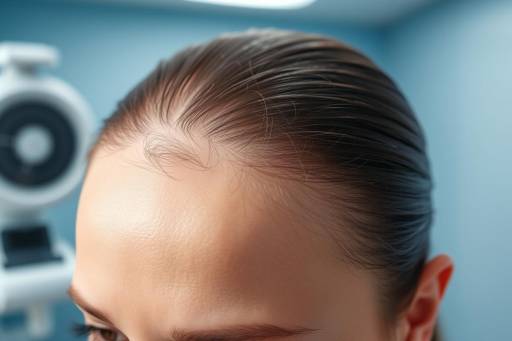
The emotional impact on hair loss is often profound for women. Many individuals experience distress and anxiety when facing thinning hair. This distress can significantly alter self-esteem and overall mental health. Addressing the emotional aspects of hair loss is crucial for those considering options like female hair transplant.
Women frequently seek hair restoration due to the psychological effects of hair loss. The journey toward recovery extends beyond physical appearance and touches mental well-being. Emphasizing the emotional benefits of hair restoration can lead to more informed decisions. Such understanding fosters a supportive environment for patients navigating their options.
Post-transplant emotional support plays a vital role in long-term success. Restored hair can enhance confidence and improve social interactions. Engaging with mental health resources can help women transition smoothly after the procedure. Exploring these dimensions provides valuable insights into the holistic impact of hair restoration.
Find Out If You Are Suitable for a Hair Transplant
Answer a few quick questions and receive a personalized hair transplant assessment from Healthnode.
Choose Your Hair Loss Level
Select the option that looks closest to your current hair. A specialist can review photos later for a more accurate estimate.
Quick Suitability Check
These details help us understand whether a hair transplant consultation may be suitable for you.
Final Details
Share anything important so the specialist can better understand your situation.
Contact information
Your information is only used to contact you and is never shared with third parties.
Your request has been received!
Your request has been received! Our coordination team will contact you as soon as possible.
5 Emotional Challenges Women Face Before Hair Transplant
Women often face significant emotional challenges before a hair transplant. The emotional impact on hair loss can lead to feelings of inadequacy and frustration. Many women feel isolated and embarrassed about their thinning hair. These feelings can deter them from seeking effective solutions like female hair restoration.
The psychological effects of hair loss can vary widely among individuals. Some experience anxiety and depression as their self-image changes. Concerns about how others perceive them can heighten these emotions. Many women report feeling less attractive and struggle with social interactions, deepening their distress and reluctance to pursue hair transplant options.
Mental health and hair transplant are interconnected, as emotional well-being affects recovery. Women may find it challenging to cope with the transition from hair loss to restoration. Support systems, such as counseling or support groups, can be beneficial. Engaging in these resources promotes a healthier mindset before and after the procedure.
Practical strategies can ease emotional burdens during this journey. Setting realistic expectations and seeking support are essential steps. Women should consider talking openly about their feelings and experiences. Emphasizing the long-term psychological effects of hair restoration can empower women to take action. Fostering a positive outlook prepares them for the journey ahead.
How Hair Loss Impacts Self-Esteem and Confidence in Women
Hair loss significantly impacts self-esteem and confidence in women. Many women feel a deep emotional connection to their hair, which influences their self-image. As hair thins, feelings of inadequacy and self-doubt often emerge. The impact of hair loss on self-esteem can be profound and lasting.
Psychological effects of hair loss can manifest in various ways. Women may experience anxiety about social interactions and public appearances. For instance, some avoid gatherings or events, fearing judgment from others. This avoidance further isolates them and can lead to increased feelings of low self-worth.
Women's hair restoration offers a pathway to regain confidence and self-esteem. Successful procedures can restore not just hair, but also a sense of identity. Many women report feeling more attractive and empowered after restoration. The emotional benefits of hair restoration are evident in improved social interactions and overall happiness.
Taking proactive steps can help women cope with hair loss. Seeking support from friends or professionals is essential. Exploring options for women's hair restoration can lead to positive change. Focusing on the potential for renewed confidence encourages women to take action. Emphasizing this journey can inspire others to embrace their path toward recovery.
Vital Mental Health Benefits After Female Hair Transplant
Vital mental health benefits follow a female hair transplant. Many women experience a significant boost in self-esteem after the procedure. This transformation can lead to improved social interactions and a renewed sense of identity. The emotional benefits of hair restoration extend well beyond physical appearance.
Improved self-image after hair transplant is often reported by patients. Restored hair can enhance feelings of attractiveness and confidence. For instance, many women feel less anxious about public appearances. This newfound confidence can lead to a more active social life, reducing feelings of isolation.
The relationship between mental health and hair transplant is crucial. Women often find that their overall well-being improves after the procedure. Some may even notice a decrease in anxiety and depressive symptoms. Positive changes in self-perception can foster healthier relationships and a happier lifestyle.
Taking steps to embrace these mental health benefits is essential. Women should celebrate their progress and engage in supportive communities. Exploring the emotional benefits of hair restoration can inspire others to seek help. A focus on personal growth and renewed confidence can encourage women to take control of their hair restoration journey.
Top 4 Ways to Prepare Emotionally for Your Hair Restoration Journey
Preparing emotionally for your hair restoration journey is essential. Many women face significant emotional challenges during this time. A proactive approach can create a smoother experience. Addressing the emotional impact on hair loss sets a positive tone for recovery.
Building a strong support system is vital in this journey. Friends and family can provide encouragement and reassurance. Sharing feelings about hair loss can help ease anxiety. Engaging with a community of women undergoing similar experiences fosters connection and support.
Setting realistic expectations plays a crucial role in emotional preparation. Understanding the timeline for results can alleviate disappointment. Women should recognize that hair restoration is a gradual process. Awareness of these expectations can help manage feelings of frustration during recovery.
Taking time for self-care is also important. Practicing mindfulness techniques can help reduce anxiety related to hair loss. Activities such as meditation or journaling promote emotional well-being. Focusing on the mental health and hair transplant relationship encourages a healthier mindset. Embracing these practices empowers women to embark on their hair restoration journey with confidence.
Find Out If You Are Suitable for a Hair Transplant
Answer a few quick questions and receive a personalized hair transplant assessment from Healthnode.
Choose Your Hair Loss Level
Select the option that looks closest to your current hair. A specialist can review photos later for a more accurate estimate.
Quick Suitability Check
These details help us understand whether a hair transplant consultation may be suitable for you.
Final Details
Share anything important so the specialist can better understand your situation.
Contact information
Your information is only used to contact you and is never shared with third parties.
Your request has been received!
Your request has been received! Our coordination team will contact you as soon as possible.
Crucial Post-Transplant Emotional Support for Lasting Results
Crucial post-transplant emotional support for lasting results is essential. Following a hair transplant, many women face emotional challenges. These challenges can affect overall satisfaction and recovery. Providing adequate emotional support after hair transplant can lead to better outcomes.
Support groups can be invaluable during this period. Connecting with others who share similar experiences can ease feelings of isolation. Many women report that sharing their journeys helps improve mental health. Engaging in discussions about the psychological effects of hair loss fosters a sense of community.
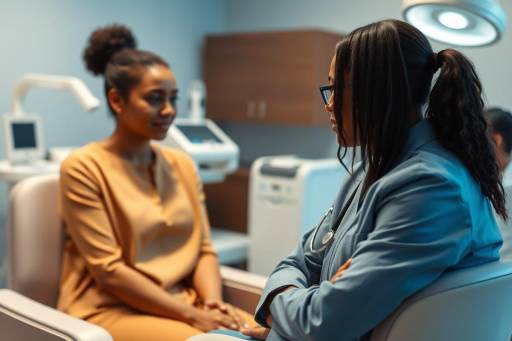
Professional counseling may also be beneficial after a hair transplant. Therapists can help women navigate emotional ups and downs during recovery. Addressing feelings of anxiety and self-doubt is crucial for long-term success. The relationship between mental health and hair transplant is significant, influencing overall satisfaction with results.
Establishing a solid support network is vital for emotional well-being. Women should seek resources that promote positive mental health. Emphasizing the importance of emotional support after hair transplant helps women stay motivated. Taking proactive steps ensures a smoother transition and lasting confidence in their hair restoration journey.
Frequently Asked Questions
Q: What are the emotional impacts of hair loss in women?
A: The emotional impact on hair loss can be significant. Many women experience anxiety and diminished self-esteem. Feelings of inadequacy often arise due to changes in appearance. Addressing these emotions is crucial for mental health and hair transplant success.
Q: How can women prepare emotionally for a hair transplant?
A: Preparing emotionally for a female hair transplant is essential. Building a support network can ease anxiety and stress. Setting realistic expectations about recovery helps manage potential disappointments. Engaging in self-care practices promotes a positive mindset during the journey.
Q: What are the psychological effects of hair loss?
A: Psychological effects of hair loss often include depression and social withdrawal. Women may feel less confident in their appearance and interactions. These feelings can lead to isolation and impact overall well-being. Seeking support and exploring restoration options can help alleviate these effects.
Q: What are the emotional benefits of hair restoration?
A: The emotional benefits of hair restoration are profound for many women. Restored hair can enhance self-image and boost confidence. Many report feeling more socially engaged and less anxious. Overall mental health improves significantly after successful hair restoration.
Q: When should women seek support after a hair transplant?
A: Women should seek support immediately after a hair transplant. Emotional support is crucial for coping with recovery challenges. Engaging with support groups can provide encouragement and connection. Addressing feelings early fosters a smoother emotional transition.
The information provided is for educational purposes only and does not constitute medical advice. Always consult with a healthcare professional for medical guidance specific to your situation.