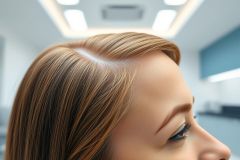
Female Hair Transplant
Female hair transplant restores thinning or receding hair using precise follicle transplantation. Discover how tailored solutions can help women regain fuller, natural-looking hair and confidence.
Overview
View All
-
What Are the Latest Trends in Female Hair Transplant?
Discover the latest trends in female hair transplant techniques, including PRP therapy and FUE, to achieve fuller hair and boost your confidence. Explore now!

-
How Does Female Hair Transplant Compare with Wigs?
Discover the key differences between female hair transplants and wigs. Learn which hair restoration method offers lasting results and boosts confidence today.

-
Is Female Hair Transplant Done Worldwide?
Discover the best countries for female hair transplant, explore costs, and learn vital recovery tips. Empower your hair restoration journey today.
-
What Medical Approval Exists for Female Hair Transplant?
Explore medical approvals for female hair transplants and learn essential guidelines to choose safe, accredited clinics for effective hair restoration.

Female Hair Loss Causes
View All
-
Can Female Hair Transplant Help with Thinning Part Lines?
Discover how female hair transplants can effectively restore thinning part lines. Explore techniques, benefits, and tips for enhancing your confidence today.
-
Is Female Hair Transplant Better Than Hair Serums?
Explore the key differences between female hair transplant and hair serums for hair loss. Discover which solution offers lasting results and boosts confidence.
-
Can Medication Side Effects Cause Female Hair Transplant Need?
Medication side effects can lead to hair loss in women. Discover the causes and effective hair restoration options to regain confidence and hair health.
-
Can Sudden Weight Loss Trigger Female Hair Transplant?
Discover how sudden weight loss can lead to hair loss in women and learn effective solutions, including hair transplant options, to restore your confidence.
Need guidance beyond these articles?
Connect with our coordination team to understand your options and choose a suitable next step for your condition.
Get Free ConsultationUnique Considerations
View All
-
How Does Emotional Impact Play a Role in Female Hair Transplant?
Discover how emotional impact influences female hair transplant decisions. Learn strategies to boost self-esteem and seek support for a successful journey.
-
Are Cultural Factors Considered in Female Hair Transplant?
Discover how cultural factors shape female hair transplant decisions. Understand beauty standards and gender differences, and choose the right clinic for your needs.
-
Does Female Hair Transplant Require Long Downtime?
Discover essential insights on female hair transplant downtime, including recovery tips and what to expect post-surgery. Empower your healing journey today.
-
Can Female Hair Transplant Be Repeated Later?
Explore the benefits and risks of a repeat female hair transplant. Discover how to assess candidacy and choose the right clinic for optimal results.
Procedure Techniques
View All
-
How Is Graft Survival Ensured in Female Hair Transplant?
Discover essential tips for ensuring graft survival in female hair transplants. Learn best practices and avoid common pitfalls for optimal results.
-
Is Beard Hair Used in Female Hair Transplant?
Discover how beard hair can enhance female hair transplants, offering density and texture. Explore this innovative option and consult specialists for effective results.
-
Can Female Hair Transplant Improve Eyebrows?
Discover how a female hair transplant can enhance eyebrow appearance, boost confidence, and provide natural, long-lasting results. Explore your options today.
-
Can Female Hair Transplant Be Combined with SMP?
Discover how combining female hair transplants with scalp micropigmentation enhances hair density and conceals scars. Explore the best techniques for lasting results.
Need guidance beyond these articles?
Connect with our coordination team to understand your options and choose a suitable next step for your condition.
Get Free ConsultationResults & Styling
View All
-
Does Female Hair Transplant Improve Overall Femininity?
Discover how female hair transplant can enhance your femininity and boost self-esteem. Learn about the emotional benefits and lasting results of restoration.
-
Are Female Hair Transplant Results Visible in a Ponytail?
Discover how female hair transplant results look in a ponytail. Learn key factors influencing visibility and styling tips to enhance your confidence.
-
Can Female Hair Transplant Results Be Enhanced with PRP?
Discover how combining PRP therapy with female hair transplants enhances results. Learn about improved growth, healing, and long-lasting outcomes for fuller hair.
-
Are Female Hair Transplant Results Different for Curly Hair?
Discover how female hair transplant results differ for curly hair. Learn effective techniques and tips for achieving natural-looking, satisfying outcomes.
Recovery & Lifestyle
View All
-
Are Diet Changes Needed After Female Hair Transplant?
Discover essential diet changes after a female hair transplant to enhance recovery and hair growth. Learn which foods to eat and avoid for optimal results.
-
How Does Female Hair Transplant Affect Daily Routines?
Discover how a female hair transplant transforms daily routines, from hair care to emotional well-being. Adapt effectively for successful recovery and renewed confidence.
-
Can Yoga Be Practiced After Female Hair Transplant?
Discover how to safely practice yoga after a female hair transplant. Learn essential tips to support healing and avoid risks for optimal recovery.
-
Does Female Hair Transplant Require Long-term Care?
Discover essential tips for female hair transplant care and maintenance. Learn how to promote healing and achieve lasting results for vibrant hair.
Female Hair Transplant
Female hair transplant is a specialized hair restoration procedure designed to treat women experiencing hair thinning, receding hairlines, or bald patches. While hair loss is often associated with men, studies show that up to 40% of women experience noticeable hair loss by the age of 50. Unlike male pattern baldness, which typically causes receding hairlines and crown thinning, female hair loss often presents as diffuse thinning across the entire scalp. This unique pattern requires a different surgical approach and artistic planning to achieve natural, dense, and permanent results. Female hair transplant procedures have advanced significantly in recent years, offering women safe and effective solutions to restore both hair and confidence.
The causes of female hair loss are varied and often more complex than in men. The most common is female pattern hair loss (FPHL), a genetic condition influenced by hormonal changes and sensitivity to dihydrotestosterone (DHT). Other causes include thyroid disorders, nutritional deficiencies, autoimmune conditions such as alopecia areata, polycystic ovary syndrome (PCOS), stress, and pregnancy-related hormonal fluctuations. Hairstyles that pull tightly on the hair, known as traction alopecia, can also contribute to hair thinning over time. Identifying the root cause is crucial, as some conditions may require medical treatment alongside surgical restoration.
The techniques used in female hair transplantation are similar to those used in men but tailored to address female-specific hair loss patterns. The most common methods include FUT (Follicular Unit Transplantation) and FUE (Follicular Unit Extraction). In FUT, a strip of scalp is removed from the donor area and dissected into follicular units for transplantation. In FUE, individual hair follicles are extracted using micro-punches and implanted directly into thinning areas, leaving minimal scarring and allowing faster healing. Advanced techniques such as Direct Hair Implantation (DHI) and sapphire FUE provide even greater precision, density, and natural results. For women, designing a natural-looking hairline and maintaining adequate density across wider areas of thinning is particularly important.
The procedure of female hair transplant begins with a thorough consultation, during which the surgeon evaluates the degree of hair loss, the quality of donor hair, and the patient’s medical history. A personalized treatment plan is created, focusing on natural hairline design and density enhancement. On the day of surgery, local anesthesia is administered, and healthy follicles are harvested from the donor area—usually the back or sides of the scalp, where hair is resistant to hormonal thinning. The grafts are then meticulously implanted into the thinning regions at the correct angle and direction to ensure a seamless blend with the existing hair. Depending on the number of grafts required, the procedure may take several hours or be spread across multiple sessions for more extensive coverage.
The results of female hair transplantation are permanent and natural. After the procedure, patients typically experience temporary shedding of the transplanted hairs within a few weeks—a normal process known as “shock loss.” New growth begins within three to four months, and full results are usually visible after 9 to 12 months. The transplanted hair continues to grow for a lifetime, resistant to the effects of hormonal hair loss. Patients can style, color, and treat their transplanted hair just like their natural hair, enjoying long-term results with improved density and volume.
The benefits of female hair transplant surgery extend beyond aesthetics. Many women report a significant boost in self-confidence and emotional well-being after restoring their hair. Unlike temporary solutions such as wigs, hair extensions, or topical treatments, transplantation offers a permanent solution without the need for constant maintenance. Modern techniques also ensure minimal discomfort, reduced downtime, and natural-looking results. Recovery is relatively quick, with most women able to return to daily activities within a few days, although strenuous activities should be avoided for a few weeks.
However, female hair transplants also come with considerations and potential challenges. Women often experience diffuse thinning rather than localized baldness, which means careful planning is required to ensure the donor area remains sufficient. Temporary side effects such as swelling, redness, scabbing, or itching in the donor and recipient areas are common but resolve within days. In rare cases, complications such as infection, uneven growth, or scarring can occur. Choosing an experienced surgeon with expertise in female-specific hair transplant procedures is critical to achieving the best outcomes. Proper aftercare, including gentle hair washing, avoiding direct sunlight, and following medical advice, plays a vital role in successful healing.
The future of female hair transplant technology continues to evolve with exciting innovations. The integration of robotic-assisted FUE, regenerative treatments like platelet-rich plasma (PRP) therapy, and ongoing research into stem cell therapy and hair cloning promise to make procedures even more effective and accessible. These advancements may expand donor hair availability and further improve density and naturalness of results. As awareness grows and stigma around female hair loss decreases, more women are turning to hair transplant surgery as a trusted, permanent solution.
Female hair transplant combines medical science, surgical expertise, and artistic precision to deliver long-lasting, natural results. By addressing the unique patterns of female hair loss, this procedure provides women with not only restored hair but also renewed self-confidence and improved quality of life.