FUE
Follicular Unit Extraction (FUE) is a minimally invasive hair transplant method that individually harvests hair follicles for natural-looking results. Discover how FUE offers faster recovery and minimal scarring.
Overview
View All
-
Are there Different Variations Or Techniques Within FUE?
Discover essential FUE hair transplant techniques tailored to your needs. Learn about advanced methods for natural results and regain your confidence today.

-
How Natural Does Hair Look After a FUE Transplant?
Discover how natural hair looks after a FUE transplant. Learn key factors influencing results and tips for maximizing your hair restoration success.
-
Can FUE Be Used for Beard Or Eyebrow Transplantation?
Discover how FUE can enhance your beard and eyebrows with natural-looking results. Learn about the benefits, risks, and expert tips for successful restoration.
-
Is FUE Suitable for Early Stages of Hair Loss?
Discover if FUE is right for you in early hair loss stages. Learn key benefits, signs to watch for, and explore treatment options for renewed confidence.

Procedure Steps
View All
-
Can FUE Be Performed Manually and Robotically?
Discover the key differences between manual and robotic FUE hair transplants. Learn which method offers better precision, recovery, and results for your hair restoration.
-
How Is Bleeding Managed During FUE?
Effective bleeding management during FUE is key for recovery. Discover essential techniques and tips to minimize bleeding and ensure a smooth healing process.
-
Is Shaving the Entire Head Necessary for FUE?
Discover essential insights on shaving your head for FUE hair transplants. Learn about options, benefits, and how to prepare for optimal results.
-
How Many Grafts Are Usually Extracted in one FUE Session?
Discover how many grafts are typically extracted in a single FUE session and what factors influence this count. Empower your hair restoration journey today.
Need guidance beyond these articles?
Connect with our coordination team to understand your options and choose a suitable next step for your condition.
Get Free ConsultationRecovery & Aftercare
View All
-
Can Hats Be Worn After a FUE Procedure?
Discover when you can wear hats after a FUE hair transplant. Learn safe practices and hat types that protect your grafts for optimal recovery.
-
How Does Sun Exposure Affect FUE Recovery?
Discover how sun exposure affects FUE recovery. Learn essential sun protection tips to enhance healing, prevent complications, and ensure optimal hair transplant results.
-
Are Antibiotics Prescribed After FUE?
Antibiotics after FUE are vital for preventing infections and ensuring smooth recovery. Discover essential guidelines for safe use and optimal healing.
-
How Soon Do Grafts Settle After FUE?
Discover the FUE graft settling timeline and essential care tips for optimal recovery. Understand what to expect and ensure your hair transplant success.
Results & Timeline
View All
-
Are Results Different for Different Hair Types in FUE?
Discover how your hair type affects FUE hair transplant outcomes. Learn about the challenges of different textures and achieve the best results for your restoration.
-
Does Hair Grow in Cycles After FUE?
Discover how hair grows in cycles after FUE and what to expect during recovery. Learn key stages and tips to enhance your hair restoration journey.
-
When Can Before-and-after Photos Be Taken Post-FUE?
Discover when to capture FUE hair transplant photos for optimal results. Learn key milestones to track your journey and celebrate your hair restoration progress.
-
How Is Graft Survival Rate Measured in FUE?
Discover how graft survival rate in FUE hair transplants is measured. Understand key factors that impact success and enhance your hair restoration journey.
Need guidance beyond these articles?
Connect with our coordination team to understand your options and choose a suitable next step for your condition.
Get Free ConsultationCandidates & Eligibility
View All
-
Can People with Autoimmune Disorders Consider FUE?
Considering FUE hair transplant with an autoimmune disorder? Discover essential safety tips and preparation steps to enhance your hair restoration journey today.
-
Is a Scalp Analysis Required Before FUE?
A scalp analysis is essential for FUE hair transplant success. Discover how evaluating scalp health can enhance results and prevent complications. Schedule yours today!
-
Can Younger Patients Benefit from FUE?
Discover how FUE hair transplants can help younger patients combat hair loss with natural results, minimal scarring, and quick recovery. Explore your options today.
-
How Does Hair Texture Impact FUE Results?
Discover how hair texture impacts FUE hair transplant results. Understand the benefits of curly hair and challenges with fine hair for optimal outcomes.
Costs & Considerations
View All
-
How to Choose a Reliable Clinic for FUE?
Discover how to choose a reliable FUE clinic for effective hair restoration. Learn key qualities, crucial questions to ask, and tips for informed decision-making.
-
Is a Deposit Required to Book a FUE Procedure?
Discover why a deposit is essential for booking your FUE hair transplant. Understand the process, payment options, and secure your appointment with confidence.
-
Do More Grafts Mean Higher Cost in FUE?
Discover how the number of grafts impacts FUE hair transplant costs. Learn to budget effectively and avoid hidden fees for your hair restoration journey.
-
Are Consultations Free Before FUE?
Discover if FUE consultations are free and learn how to prepare for your hair transplant journey. Get essential insights to make informed decisions today.
FUE
FUE hair transplant (Follicular Unit Extraction) is one of the most advanced and widely preferred techniques for restoring natural hair growth in individuals experiencing hair loss or baldness. Unlike older methods, which involved removing large strips of scalp, FUE uses a minimally invasive approach that extracts individual hair follicles from the donor area—usually the back or sides of the scalp—and implants them directly into balding or thinning regions. This technique has become highly popular because it delivers natural-looking results, leaves minimal scarring, and allows for faster recovery. As a permanent solution for hair loss, FUE hair transplant is considered a gold standard in modern hair restoration.
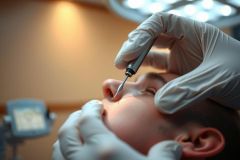
The procedure of FUE hair transplantation is highly precise and requires expert skill. First, the donor area is trimmed and prepared, and then hair follicles are extracted one by one using micro-punch tools that leave tiny, dot-like scars that are nearly invisible once healed. Each follicular unit, consisting of 1–4 hairs, is carefully implanted into the recipient area in alignment with the patient’s natural hairline and growth pattern. This meticulous process ensures that the transplanted hair blends seamlessly with the existing hair. Depending on the extent of hair loss and the number of grafts needed, the procedure may take several hours or multiple sessions. Because no linear incision is required, patients typically experience less discomfort and a shorter recovery period compared to traditional strip surgery.
The results of FUE hair transplant are long-lasting and natural, as the transplanted hair follicles are resistant to the hormone dihydrotestosterone (DHT), which causes most cases of male and female pattern baldness. Within a few weeks after the procedure, transplanted hairs may temporarily shed—a normal phase called “shock loss”—but new growth begins within three to four months. Full results are usually visible after 9 to 12 months, with dense, permanent hair that can be cut, styled, and treated just like natural hair. When performed by experienced specialists, the success rate of FUE procedures is extremely high, often exceeding 90–95%.
The benefits of FUE hair transplant extend beyond cosmetic improvements. Patients regain not only their hair but also their self-confidence, which often enhances their professional and personal lives. Unlike wigs, hairpieces, or temporary medications, FUE offers a permanent solution without ongoing maintenance costs. The procedure leaves minimal scarring, which makes it ideal for those who prefer short hairstyles. Recovery is quick—most patients can return to normal activities within a few days, and exercise or more intensive routines usually within a couple of weeks. Modern innovations, including robotic-assisted FUE systems and sapphire blade technology, have further improved precision, graft survival, and patient comfort.
Like all medical procedures, FUE hair transplantation has considerations and potential risks. Temporary side effects such as redness, swelling, and mild discomfort in the donor or recipient area are common and usually resolve within a week. Rare complications can include infection, uneven growth, or shock loss in surrounding hair. To minimize risks, it is essential to choose a qualified surgeon and a reputable clinic with proven expertise in advanced FUE techniques. Following aftercare instructions—such as avoiding sun exposure, heavy sweating, or scratching the scalp during healing—also plays a critical role in achieving the best results.
The future of FUE hair transplant continues to evolve, with exciting developments in regenerative medicine, stem cell research, and hair cloning on the horizon. These innovations could expand donor availability and further enhance the naturalness and density of results. As demand for hair restoration grows globally, FUE remains the most trusted and effective method for permanent hair restoration. With its combination of advanced medical science and aesthetic artistry, FUE hair transplant is transforming the lives of patients by restoring both hair and self-confidence.
FUE hair transplant stands out as a safe, effective, and minimally invasive solution to hair loss, offering patients permanent results that look natural and feel authentic. With modern technology and experienced specialists, this procedure has set the highest standard in hair restoration worldwide.