FUT
Follicular Unit Transplantation (FUT) involves removing a strip of scalp to harvest hair follicles for transplantation. Learn how FUT can effectively restore hair density, especially in larger treatment areas.
Overview
View All
-
How Is FUT Different from Non-surgical Hair Restoration Methods?
Discover how FUT hair restoration differs from non-surgical methods. Understand the benefits, drawbacks, and make informed choices for effective hair loss solutions.

-
What Medical Organizations Recognize FUT As a Treatment?
Discover how Follicular Unit Transplantation is endorsed by top medical organizations, ensuring effective hair loss solutions. Find certified providers for optimal results.

-
Are FUT Results Natural-looking?
Discover how to achieve natural-looking FUT hair transplant results. Learn key factors influencing appearance and tips for optimal recovery. Start your journey today!
-
How Do Doctors Determine If FUT Is Appropriate?
Discover how doctors assess FUT candidacy for hair restoration. Learn the key factors influencing eligibility and make informed decisions for effective treatment.

Procedure Technique
View All
-
How Do Assistants Support the Surgeon During FUT?
Discover how surgical assistants enhance the FUT hair transplant process by ensuring precision, safety, and efficiency. Learn about their vital roles and improve your experience.
-
Can FUT Be Combined with Other Hair Restoration Methods?
Discover how combining FUT with FUE or PRP therapy can maximize hair restoration results. Learn the best methods for enhanced density and faster recovery.
-
What Precautions Are Taken During FUT to Avoid Complications?
Discover key precautions for a safe Follicular Unit Transplantation (FUT) experience. Learn essential steps for pre-op, intra-op, and post-op care to prevent complications.
-
How Do Doctors Close the Donor Area in FUT?
Discover effective FUT donor area closure techniques that enhance healing and minimize scarring. Learn essential aftercare tips for optimal recovery today.
Need guidance beyond these articles?
Connect with our coordination team to understand your options and choose a suitable next step for your condition.
Get Free ConsultationRecovery & Healing
View All
-
Can Hair Dye Be Used Soon After FUT?
Discover safe hair dye practices after FUT to protect your scalp and enhance healing. Learn when to dye and choose gentle options for vibrant results.
-
How Does Pain Management Work After FUT?
Discover effective pain management techniques after FUT surgery. Learn about medications, self-care tips, and warning signs to ensure a smooth recovery.
-
What Complications Can Occur During FUT Recovery?
Discover key FUT recovery complications to watch for and learn effective strategies to ensure a smoother healing process. Stay informed for optimal outcomes.
-
Can FUT Scars Fade over Time?
Discover effective ways to fade FUT scars and boost your confidence. Learn key factors influencing healing and top treatment options for optimal recovery.
Results & Growth Timeline
View All
-
Does FUT Affect Existing Hair Growth?
FUT hair transplants can impact existing hair growth. Discover how to minimize side effects and support recovery for optimal results and healthier hair.
-
Can FUT Be Repeated for Better Results?
Discover how repeating a FUT hair transplant can boost hair density and improve your results. Learn essential tips for successful procedures with expert guidance.
-
How Does the Hairline Look After FUT?
Discover how your hairline will look after FUT surgery. Understand growth timelines, scar care, and maintenance tips for optimal results. Start your journey today!
-
Can FUT Provide Full Coverage in one Session?
Discover how FUT hair transplants can provide full coverage in one session. Learn about key factors influencing results and set realistic expectations today.
Need guidance beyond these articles?
Connect with our coordination team to understand your options and choose a suitable next step for your condition.
Get Free ConsultationCandidacy & Suitability
View All
-
Is FUT Suitable for Patients over 60?
Explore FUT hair transplants for seniors over 60. Learn about benefits, safety assessments, and how to prepare for optimal results in hair restoration.
-
Can FUT Be Done After Previous Hair Transplants?
Discover if FUT hair transplants can follow previous surgeries. Explore eligibility, risks, and benefits to make informed decisions about your hair restoration.
-
Is FUT Appropriate for Those with Scalp Conditions?
Discover how scalp conditions impact the suitability of FUT hair transplants. Learn essential preparation steps and explore safer alternatives for effective hair restoration.
-
Can FUT Be Done If Hair Loss Is Ongoing?
Discover if FUT hair restoration is suitable for ongoing hair loss. Learn key factors for success, expert tips, and make informed decisions for your journey.
Advantages & Disadvantages
View All
-
Does FUT Limit Future Hair Transplant Options?
Discover how FUT hair transplants impact future options, including scarring and donor area health. Explore your best choices for effective hair restoration.
-
Does FUT Allow for Larger Graft Numbers?
Discover how FUT hair transplant techniques achieve larger graft numbers for effective hair restoration. Learn key factors and maximize your results today.
-
Is FUT Recovery Longer Than FUE?
Discover the key differences between FUT and FUE recovery times. Learn how to optimize your healing process and make informed choices for effective hair restoration.
-
Does FUT Have a Higher Risk of Complications?
Understand the higher risks of FUT hair transplant complications including scarring, infection, and numbness. Get informed to make wiser choices for your hair restoration.
FUT
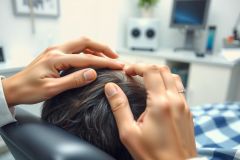
FUT hair transplant (Follicular Unit Transplantation), also known as the “strip method,” is a proven and widely practiced technique for permanent hair restoration. Unlike FUE, where individual follicles are extracted one by one, FUT involves removing a thin strip of scalp from the donor area—typically the back of the head—where hair growth is naturally dense and resistant to baldness. The strip is then carefully dissected under a microscope into follicular units, which are transplanted into thinning or balding areas of the scalp. This method allows surgeons to transplant a large number of grafts in a single session, making it particularly effective for patients with advanced hair loss seeking high coverage and density.
The procedure of FUT hair transplantation is performed with precision and care. First, the donor strip is surgically removed and the area is closed with fine sutures, leaving a linear scar that is easily concealed by surrounding hair. The extracted strip is then divided into individual follicular units, each containing 1–4 hairs, which are meticulously implanted into the recipient area. The surgeon designs the hairline and strategically places the grafts to mimic natural hair growth patterns. The entire procedure can take several hours, depending on the number of grafts needed. With experienced specialists, FUT ensures a high survival rate for transplanted follicles and long-lasting, natural-looking results.
The results of FUT hair transplant are permanent, as the transplanted follicles are resistant to the effects of dihydrotestosterone (DHT), the hormone responsible for most cases of male and female pattern baldness. Within a few weeks after surgery, the transplanted hair may temporarily shed, followed by regrowth within three to four months. Full, natural results typically become visible within 9 to 12 months. Patients who undergo FUT often achieve high-density coverage in a single session, which is especially beneficial for those with extensive balding or thinning.
The advantages of FUT hair transplantation include the ability to harvest and transplant a large number of grafts in one session, providing fuller coverage at a lower cost per graft compared to FUE. Because the follicles are prepared under a microscope, FUT also ensures high-quality grafts with strong survival rates. This makes FUT an excellent option for patients who prioritize maximum density or who may not be suitable candidates for FUE due to limited donor availability. For many individuals, FUT offers a balance between effectiveness, affordability, and long-term results.
However, FUT hair transplant also has considerations and potential drawbacks. The linear scar in the donor area, while usually hidden by surrounding hair, may be visible with very short hairstyles. Recovery time can be slightly longer than with FUE, as patients may experience mild discomfort, tightness, or swelling in the donor region. Side effects such as temporary numbness, redness, or scabbing are common but generally resolve within a few weeks. Choosing an experienced surgeon is essential to minimize risks and ensure that the scar is thin and discreet. Proper aftercare—including gentle scalp cleaning, avoiding strenuous activity, and following medical guidance—is crucial for achieving optimal results.
The future of FUT hair transplant continues to benefit from innovations in surgical techniques, advanced suturing methods, and microscopic dissection, which have improved both the efficiency and cosmetic outcomes of the procedure. While FUE has gained more popularity in recent years due to its scarless approach, FUT remains an important option for patients seeking maximum graft yield, particularly those with advanced stages of baldness. Many clinics now offer combined approaches, using FUT to harvest large numbers of grafts and FUE for refining hairlines or smaller areas, maximizing both density and aesthetics.
FUT hair transplant remains a reliable, effective, and permanent solution for restoring natural hair growth. With its ability to provide high-density coverage in a single session and its long track record of success, FUT continues to be a valuable choice for patients with significant hair loss looking for a natural, lasting transformation.