Quick Answer
Improving sleep after surgery or illness involves creating a calming sleep environment, managing pain effectively, maintaining good sleep hygiene, and incorporating proper nutrition, hydration, and gentle activity to support recovery.
- Creating a dark, quiet, and cool bedroom environment promotes restful sleep after surgery or illness.
- Limiting screen time at least 30 minutes before bed helps maintain natural sleep cycles.
- Consistent sleep schedules and relaxation techniques like deep breathing or meditation enhance sleep quality and recovery.
- Effective pain management, including over-the-counter pain relievers and relaxation methods, supports better sleep during recovery.
- Proper nutrition with magnesium-rich foods and adequate hydration improves sleep quality and healing.
- Gentle physical activity such as short walks and light stretching aids circulation and reduces stiffness, contributing to restful sleep.
- Supportive bedding and comfortable sleep positions are important for reducing discomfort and promoting restorative sleep.
How Can You Improve Sleep & Recovery After Surgery or Illness?
Improving sleep after surgery is essential for a successful recovery. Quality sleep allows your body to heal and rejuvenate. Many patients struggle with sleep disturbances following surgery or illness. Recognizing the importance of restful sleep can lead to better healing outcomes.
Post-surgery sleep strategies include creating a calming environment and managing pain. Incorporating good sleep hygiene practices helps enhance recovery after illness. Simple changes to your nighttime routine can make a big difference. Prioritizing sleep not only boosts your overall well-being but also supports physical healing.
Practicing effective recovery tips for surgery can ease discomfort and promote rest. Techniques like proper nutrition, hydration, and gentle activity play a crucial role in recovery. These strategies empower you to take control of your healing journey. Engaging in such practices will help you achieve a more restful night.
Get expert support for your treatment
Let our coordination team prepare a personalized plan for you.
Contact information
Your information is only used to contact you and is never shared with third parties.
Your request has been received!
Your request has been received! Our coordination team will contact you as soon as possible.
7 Essential Sleep Hygiene Tips for Faster Recovery
Sleep hygiene for recovery is crucial after surgery or illness. Establishing a consistent bedtime routine for healing can significantly enhance your rest. Quality sleep allows your body to recover more effectively and improves overall well-being. Implementing these essential tips can help you improve sleep after surgery and support your recovery journey.
Creating a calming sleep environment is vital for restful nights. Keep your bedroom dark and cool to promote relaxation. Consider using blackout curtains and a fan to achieve the right temperature. Reducing noise levels can also enhance your sleep quality, making it easier to drift off. These adjustments can significantly impact how to sleep better after illness.
Limiting screen time before bed is another important practice. The blue light emitted by devices can disrupt your natural sleep cycle. Aim to turn off screens at least 30 minutes before bedtime. Instead, engage in calming activities like reading or gentle stretching to encourage better sleep hygiene for recovery.
Practical takeaways include maintaining a consistent sleep schedule. Going to bed and waking up at the same time each day reinforces your body’s clock. Incorporating relaxation techniques, such as deep breathing or meditation, can also help. These strategies can facilitate quicker recovery and ensure you enjoy deeper, more restorative sleep. Prioritize your sleep hygiene and embrace these practices for a smoother healing process.
How to Create a Healing Sleep Environment After Surgery
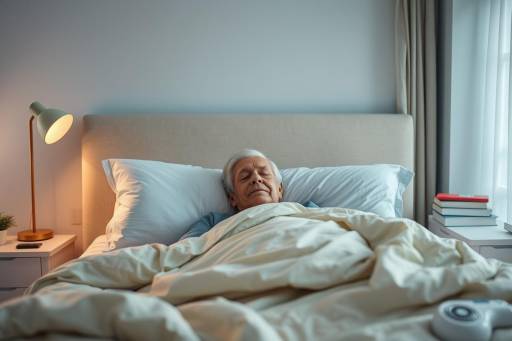
Creating a healing sleep environment after surgery is essential for recovery. A restful space can significantly impact your sleep quality. Consider how the layout and ambiance of your room affect your ability to relax. Implementing effective post-surgery sleep strategies can lead to better healing outcomes.
Begin by ensuring your bedroom is dark and quiet. Darkness signals your body that it’s time to rest. Use blackout curtains to block outside light. Sound machines or earplugs can help minimize disruptive noises. These adjustments aid in establishing a calming atmosphere for sleep.
Supportive bedding for recovery also plays a vital role. Choose a mattress that provides adequate support for your body. Soft, breathable sheets can enhance comfort and promote relaxation. Consider using pillows that offer the right elevation for your head and neck. These elements combine to create the best practices for sleep after surgery.
Establishing a comfortable temperature is another crucial factor. Aim to keep your bedroom cool, ideally between 60 and 67 degrees Fahrenheit. This temperature range helps facilitate deeper sleep and faster recovery. Prioritize creating your healing sleep environment by making these adjustments. Embrace these changes to enhance your healing process and enjoy restful nights.
Top 5 Pain Management Techniques to Sleep Better After Illness
Effective pain management for sleep is crucial after illness. Managing discomfort allows your body to rest and recover. Implementing these techniques will help you achieve better sleep quality. Learning how to sleep better after illness can significantly enhance your overall well-being.
Using over-the-counter pain relievers can be helpful. Medications such as ibuprofen or acetaminophen can reduce discomfort. Timing your doses before bedtime can facilitate easier sleep. Make sure to discuss any medication changes with your healthcare provider for optimal results.
Incorporating relaxation techniques can also alleviate pain. Practices such as deep breathing and meditation help reduce stress. Engaging in gentle stretching before bed can relieve tension in your muscles. These strategies work together to enhance sleep and pain relief during recovery.
Creating a comfortable sleep environment is vital for managing pain. A supportive mattress and pillows can reduce physical strain. Keeping your bedroom dark and cool promotes restful sleep. Combining these recovery tips for surgery with effective pain management will lead to a healthier healing process.
Prioritizing these pain management techniques will improve your sleep quality. Embrace these methods to experience more restorative nights. Actively managing your discomfort will aid your recovery and enhance your overall sleep experience.
Crucial Nutrition and Hydration Habits That Boost Sleep Quality
Crucial nutrition and hydration habits that boost sleep quality are vital after surgery. What you eat and drink directly impacts your ability to rest. Proper nutrition for recovery enhances your overall healing process. Incorporating the right foods can improve sleep quality after surgery.
Eating a balanced diet rich in vitamins and minerals supports sleep. Foods high in magnesium, such as spinach and almonds, can promote relaxation. Including complex carbohydrates, like whole grains, helps the body produce serotonin. This hormone plays a crucial role in regulating sleep patterns and enhancing recovery after illness.
Hydration for healing is equally important. Dehydration can lead to discomfort and restless nights. Aim to drink plenty of water throughout the day. Herbal teas, particularly chamomile or valerian root, can also aid relaxation and improve sleep. Keeping your body well-hydrated supports overall wellness and recovery.
Practical takeaways include planning meals rich in nutrients and staying hydrated. Focus on incorporating fruits, vegetables, and whole grains into your diet. Monitor your fluid intake to ensure you remain adequately hydrated. Embracing these habits will significantly enhance your sleep quality and promote a faster recovery. Prioritize your nutrition and hydration for a better healing experience.
Get expert support for your treatment
Let our coordination team prepare a personalized plan for you.
Contact information
Your information is only used to contact you and is never shared with third parties.
Your request has been received!
Your request has been received! Our coordination team will contact you as soon as possible.
How to Safely Incorporate Gentle Activity for Restful Recovery
How to safely incorporate gentle activity for restful recovery is key after surgery. Engaging in light exercise can enhance healing and improve sleep. Gentle activity helps promote circulation and reduces stiffness. These factors contribute to achieving restful sleep after surgery.
Starting with short walks is an excellent way to begin. Walking for 10 to 15 minutes each day can boost your mood. Gradually increase your distance as you gain strength. Incorporating stretches and light yoga can also aid recovery and flexibility, making it easier to engage in daily activities.
Listening to your body is essential when introducing exercise for healing. If you experience pain or discomfort, take a break. Focus on low-impact activities that do not strain your body. Activities such as seated leg lifts or chair yoga can be beneficial without risking injury. These methods help maintain movement while promoting recovery.
Practical takeaways include setting realistic goals and staying consistent. Aim for gentle activity for recovery that fits your energy levels. Engaging in these activities regularly will help you learn how to sleep better after illness. Prioritize gentle movement to enhance your recovery and enjoy more restful nights.
Frequently Asked Questions
Q: What are the best practices for sleep after surgery?
A: Establish a consistent sleep schedule to improve sleep after surgery. Create a calming bedroom environment that promotes relaxation. Limit screen time before bed to enhance sleep hygiene for recovery.
Q: How can I improve sleep after surgery?
A: Incorporate relaxation techniques like deep breathing before bedtime. Adjust your sleep position for comfort and support. Staying hydrated during the day can also help enhance recovery after illness.
Q: What recovery tips for surgery help with sleep quality?
A: Engage in gentle activities like walking to boost your mood. Focus on nutrition to support healing and overall wellness. Use pillows for extra support to encourage restful sleep.
Q: How to sleep better after illness while managing pain?
A: Use over-the-counter pain relief as needed for discomfort. Establish a bedtime routine that includes calming activities before sleep. These post-surgery sleep strategies can significantly improve sleep quality.
Q: When should I seek help for sleep issues after surgery?
A: If sleep disturbances persist beyond a few weeks, consult your doctor. Changes in sleep patterns may indicate underlying issues that need attention. Early intervention can enhance recovery and overall health.
The information provided is for educational purposes only and does not constitute medical advice. Always consult with a healthcare professional for medical guidance specific to your situation.