Quick Answer
Coronary Artery Disease (CAD) is diagnosed through evaluation of risk factors, symptoms, physical exams, medical history, and diagnostic tests such as EKG, stress tests, and imaging like coronary angiography. Recognizing symptoms like chest pain and shortness of breath prompts timely testing and diagnosis.
- Doctors assess risk factors including high blood pressure, elevated cholesterol, and lifestyle choices to evaluate CAD risk.
- Symptoms signaling the need for CAD testing include chest pain, shortness of breath, fatigue, and dizziness.
- Physical exams and medical history reviews help identify vital signs and risk factors relevant to CAD.
- Common diagnostic tests for CAD include EKG, stress tests, and coronary angiography to detect heart abnormalities and blockages.
- Preparing for a CAD diagnostic appointment involves gathering medical history, symptom details, and medication information.
- Early recognition and diagnosis of CAD allow for timely treatment and prevention of severe heart complications.
- Lifestyle changes such as a healthy diet and regular exercise can influence CAD symptoms and overall heart health.
How is Coronary Artery Disease (CAD) diagnosed?
Coronary Artery Disease (CAD) is a leading cause of heart-related issues worldwide. It occurs when arteries become narrowed or blocked, limiting blood flow to the heart. Timely diagnosis of CAD is crucial for effective treatment and prevention of severe complications. Recognizing symptoms early can save lives and improve overall heart health.
Doctors utilize various methods to identify CAD effectively. These may include evaluating risk factors like high blood pressure, cholesterol levels, and lifestyle choices. Diagnostic tests play a vital role in confirming the presence of coronary artery disease. Understanding these processes helps patients engage actively in their health management decisions.
Accurate diagnosis is essential for determining the right treatment approach. Patients may require medications or lifestyle changes to manage their condition effectively. Knowing how CAD is diagnosed allows individuals to seek help sooner. This proactive approach can enhance heart health and overall well-being.
Get expert support for your treatment
Let our coordination team prepare a personalized plan for you.
Contact information
Your information is only used to contact you and is never shared with third parties.
Your request has been received!
Your request has been received! Our coordination team will contact you as soon as possible.
7 Crucial Risk Factors Doctors Assess for CAD Diagnosis
Doctors assess several crucial risk factors for CAD diagnosis to evaluate heart health. Identifying these CAD risk factors allows for early detection of coronary artery disease. Recognizing these risks is essential for patients seeking to prevent serious heart complications.
High blood pressure is a significant risk factor for CAD. When blood pressure rises, it can damage arteries over time. This damage increases the chance of blockages, leading to coronary artery disease. Lifestyle changes and medication can help manage high blood pressure effectively.
Elevated cholesterol levels also contribute to coronary artery disease risk. High levels of LDL cholesterol can create plaque buildup in arteries. This buildup narrows the arteries and restricts blood flow to the heart. Regular cholesterol screenings are vital for diagnosing coronary artery disease early.
Lifestyle choices play a crucial role in assessing CAD risk. Factors such as smoking, unhealthy diet, and lack of exercise significantly impact heart health. Engaging in regular physical activity and maintaining a balanced diet can lower these risks. Patients should prioritize heart-healthy habits to support overall well-being.
Recognizing these key CAD risk factors empowers patients to take action. Regular check-ups and screenings can help with diagnosing coronary artery disease. Taking steps to address these risks can lead to healthier hearts and improved quality of life. Seek guidance from healthcare professionals to discuss personal risk factors and create a tailored plan.
What Symptoms Signal the Need for CAD Diagnostic Tests?
Certain symptoms signal the need for CAD diagnostic tests. Recognizing these symptoms of CAD is essential for timely intervention. Early detection can help prevent more severe health issues, making awareness crucial for patients.
Chest pain, often described as pressure or tightness, is a significant warning sign. This discomfort may occur during physical activity or emotional stress. Experiencing chest pain should prompt immediate consultation with a healthcare provider. It is one of the key signs of coronary artery disease that must not be ignored.
Shortness of breath can also indicate potential CAD. Difficulty breathing during routine activities may suggest that the heart struggles to supply adequate blood. This symptom often accompanies chest pain but can occur independently. Patients experiencing shortness of breath should consider when to test for CAD to assess their heart health.
Other symptoms, such as fatigue or dizziness, may also indicate CAD. These feelings can stem from reduced blood flow to the heart. Patients should seek medical advice if they notice unusual fatigue or episodes of dizziness. Recognizing these signs of coronary artery disease can lead to timely diagnostic tests and treatment.
Taking these symptoms seriously is vital for heart health. Timely consultation with a healthcare provider can lead to effective CAD diagnostic tests. Individuals experiencing any warning signs should not hesitate to seek help. Prioritizing heart health through awareness is essential for preventing complications.
How Doctors Use Physical Exams and Medical History for CAD
Doctors use physical exams and medical history for CAD diagnosis. These assessments provide critical insights into a patient’s heart health. A thorough medical history for CAD helps identify risk factors and previous health issues.
During a physical exam for coronary artery disease, doctors check vital signs. Blood pressure, heart rate, and weight are important indicators. These measurements help assess overall cardiovascular health and detect abnormalities early. Identifying these indicators is vital for determining the next steps in diagnosis.
Doctors also inquire about family history and lifestyle choices. Information on smoking, diet, and exercise habits plays a significant role. A patient's answers can highlight genetic predispositions or behavioral risks. This comprehensive approach enhances the accuracy of diagnosing coronary artery disease.
Patients should be prepared to discuss their medical history and current symptoms. This proactive approach supports effective CAD diagnosis and treatment plans. Open communication with healthcare providers ensures better overall outcomes for heart conditions.
Top 5 Essential Tests for Diagnosing Coronary Artery Disease
Several essential tests are vital for diagnosing coronary artery disease. These CAD diagnostic tests help provide a clear picture of heart health. Knowing which tests are available empowers patients to engage in their health decisions.
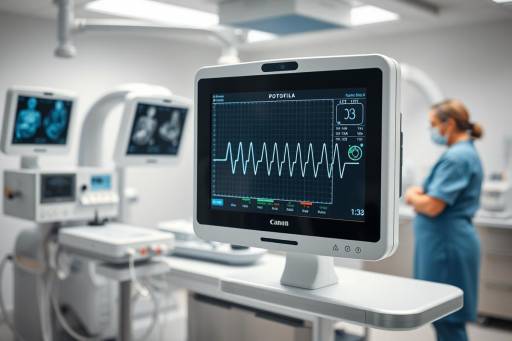
An EKG for CAD is often one of the first tests performed. This simple test measures the heart's electrical activity. It can reveal irregular heart rhythms and signs of previous heart attacks. An EKG is a crucial tool in the early stages of diagnosing coronary artery disease.
Another important test is the stress test. This test evaluates how the heart performs under physical exertion. Patients may walk on a treadmill or use a stationary bike during this test. Monitoring heart rate and blood pressure during exercise helps identify CAD risk.
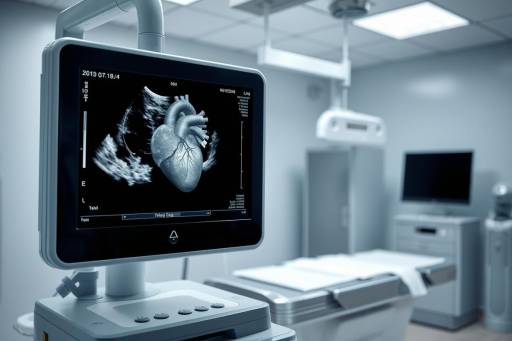
Imaging tests, such as coronary angiography, provide detailed views of the heart. This procedure involves injecting a contrast dye to visualize blood flow. It can reveal blockages and assess the severity of coronary artery disease. Imaging tests often guide treatment decisions based on the findings.
Get expert support for your treatment
Let our coordination team prepare a personalized plan for you.
Contact information
Your information is only used to contact you and is never shared with third parties.
Your request has been received!
Your request has been received! Our coordination team will contact you as soon as possible.
Discussing these CAD diagnostic tests with healthcare providers can clarify the process. Patients should not hesitate to express concerns and ask questions. Informed decisions lead to better outcomes in diagnosing coronary artery disease.
How to Prepare for Your CAD Diagnostic Appointment
Preparing for your CAD diagnostic appointment is crucial for effective evaluation. Being organized helps ensure that all necessary information is available. Clear communication with healthcare providers is essential for an accurate Coronary Artery Disease diagnosis.
Gathering your medical history is an important first step. Include details about previous health issues and family history. Bring a list of medications, including dosages and frequency. This comprehensive medical history aids doctors in diagnosing CAD accurately.
Patients should also consider their symptoms before the appointment. Writing down any symptoms experienced, such as chest pain or shortness of breath, can provide valuable insights. Sharing this information helps doctors assess the urgency and nature of testing. Preparing a list of questions can also facilitate productive discussions during the appointment.
Taking these steps can enhance the overall diagnostic experience. Being prepared for your CAD diagnostic appointment leads to clearer communication. Patients should feel empowered to ask questions and express concerns. This proactive approach supports effective diagnosis and treatment planning for coronary artery disease.
Frequently Asked Questions
Q: What are the common symptoms of Coronary Artery Disease?
A: Common symptoms of Coronary Artery Disease include chest pain. Patients often experience shortness of breath during activities. Other symptoms may include fatigue and dizziness. Recognizing these symptoms is crucial for early diagnosis.
Q: How is CAD diagnosed by healthcare professionals?
A: Healthcare professionals diagnose CAD through various methods. They typically perform a physical exam and review medical history. Diagnostic tests such as EKG and stress tests may be ordered. These steps help confirm the presence of coronary artery disease.
Q: When should I consider CAD diagnostic tests?
A: Consider CAD diagnostic tests if you experience chest pain. Symptoms like prolonged shortness of breath warrant immediate evaluation. Family history of heart disease also increases the need for testing. Early detection can significantly improve treatment outcomes.
Q: Can lifestyle changes impact CAD diagnosis and symptoms?
A: Yes, lifestyle changes can significantly impact CAD symptoms. A heart-healthy diet can reduce risk factors for coronary artery disease. Regular exercise helps improve overall cardiovascular health. These changes support better outcomes during diagnosis and treatment.
Q: What CAD diagnostic tests are commonly used?
A: Common CAD diagnostic tests include EKG and stress tests. Imaging tests like angiography may also be performed. These tests help visualize blood flow and identify blockages. Understanding these options aids in diagnosing coronary artery disease.
The information provided is for educational purposes only and does not constitute medical advice. Always consult with a healthcare professional for medical guidance specific to your situation.