Quick Answer
After hip replacement surgery in Turkey, it is essential to plan follow-up care with Canadian healthcare providers, including wound management, physical therapy, and regular monitoring, to ensure optimal recovery and long-term hip health.
- Establishing clear communication with your Canadian healthcare team is critical for continuity of care after surgery abroad.
- Sharing complete medical records from your surgery in Turkey helps local providers plan appropriate follow-up care.
- Physical therapy in Canada should be tailored to your individual needs and coordinated with your healthcare team.
- Monitoring for complications such as infection, blood clots, or implant issues is important for timely intervention.
- Lifestyle adjustments like maintaining a healthy weight and engaging in low-impact exercises support long-term hip health.
- Understanding your insurance coverage and potential costs helps manage financial aspects of post-operative care in Canada.
- Scheduling an initial follow-up appointment within one to two weeks of returning home is advisable to assess healing and address concerns.
Hip Replacement in Turkey After a Long Canadian Wait: How Should Follow-Up Care Be Planned Back Home?
After undergoing hip replacement surgery in Turkey due to long Canadian wait times, it is essential to plan your follow-up care carefully once you return home to Canada to ensure a successful recovery. A comprehensive post-operative care routine that includes wound management, physical therapy, and regular monitoring will support your hip’s healing and help restore your mobility and function over the long term.
Canadian patients who choose to have surgery abroad face unique challenges in integrating the international treatment they received with the Canadian healthcare system. Differences in medical documentation, communication barriers, and variations in care protocols can complicate coordination. Establishing clear communication with your Canadian healthcare team, including your family doctor and orthopedic specialists, is critical. This helps maintain continuity of care and allows for timely intervention if any complications or concerns arise during your recovery.
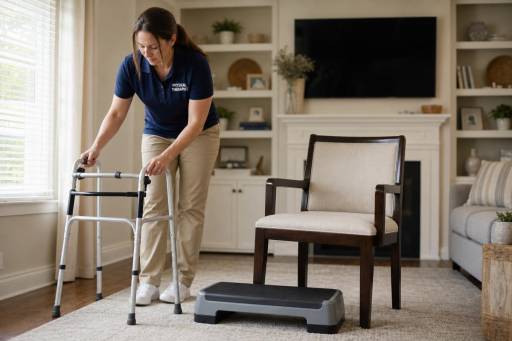
Arranging appropriate physical therapy locally is another important step, as rehabilitation is a cornerstone of regaining strength and mobility after hip replacement. Your therapist can tailor exercises to your individual needs and monitor your progress.
Find Out If Hip Replacement Surgery May Be Right for You
Answer a few short questions and HealthNode will help you connect with the right orthopedic hip specialist.
Pain and Daily Mobility
This helps us understand how much your hip affects walking, sleep, and daily activities.
Previous Diagnosis or Treatment
Tell us what has already been checked or tried before considering surgery.
Surgery Goals and Timing
Tell us what kind of support you are looking for now.
Contact information
Your information is only used to contact you and is never shared with third parties.
Your request has been received!
Thank you. If you have hip X-ray, MRI, CT scan, diagnosis notes, medication history, injection records, physical therapy notes, or previous surgery records, please keep them ready. A HealthNode consultant will guide you through the next step.
With thoughtful planning and proactive management, you can optimize your rehabilitation process and regain mobility safely. Understanding your responsibilities and the options available for ongoing care empowers you to manage your recovery confidently and effectively once you return to Canada, minimizing risks and maximizing your chances for a positive outcome.
Establishing a Post-Operative Care Routine for Hip Replacement Patients
Creating a personalized post-operative care routine after hip replacement surgery is vital for ensuring an effective and safe recovery. This routine should begin with careful management of your medications as prescribed by your surgeon and healthcare team. Proper use of pain medications helps control discomfort and facilitates mobility, while anticoagulant medications may be necessary to prevent blood clots during the early recovery period. It is important to follow dosing instructions precisely and communicate any side effects or concerns to your provider.
Following your surgeon’s instructions regarding wound care and activity restrictions is critical to reduce the risk of infection and support proper healing. This may include keeping the incision clean and dry, monitoring for signs of infection, and avoiding certain movements or weight-bearing activities until cleared.
Physical therapy plays a central role in recovery. Engaging in prescribed exercises helps restore hip strength, improve your range of motion, and prevent stiffness. Your physical therapist will guide you through a gradual progression of activities tailored to your healing stage, ensuring that you regain function safely without overexertion.
Daily monitoring of your symptoms is important. Keep track of any swelling, redness, changes in pain levels, or unusual sensations around your surgical site. Promptly reporting these observations to your healthcare provider can prevent minor issues from developing into serious complications.
Establishing a consistent routine that balances periods of rest with appropriately paced activity fosters optimal healing. Regular follow-up appointments with your care team allow for assessment of your progress and adjustments to your rehabilitation plan as needed. This structured approach supports your journey toward regaining mobility, independence, and quality of life following hip replacement surgery.
Coordinating with Local Healthcare Providers for Seamless Recovery
Seamless coordination with your Canadian healthcare providers is essential after undergoing hip replacement surgery abroad to ensure a smooth and safe recovery process. One of the first steps is to share your complete medical records with your local healthcare team. This includes surgical reports, operative notes, imaging studies, and any post-operative care instructions provided by your surgical team overseas. Having accurate and comprehensive information enables your family doctor, orthopedic specialist, and physiotherapist to understand your surgical procedure, assess your current status, and plan appropriate follow-up care.
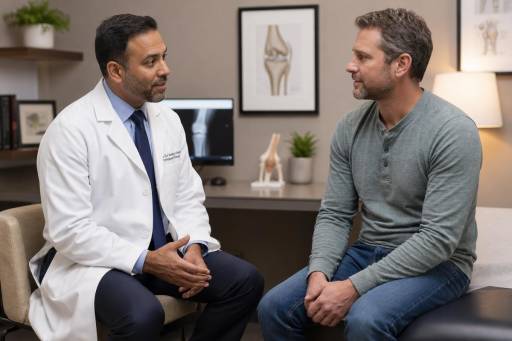
Scheduling an initial follow-up appointment with your family doctor or orthopedic specialist soon after returning home is crucial. This visit allows your healthcare provider to assess your healing progress, evaluate your pain levels and mobility, and identify any early concerns that may require attention. They can also coordinate referrals for physiotherapy or other supportive services.
Engaging a qualified physiotherapist with experience in post-hip replacement rehabilitation is important for tailoring therapy to your individual condition. Your therapist will design a rehabilitation program that gradually improves your hip strength, range of motion, and function while minimizing the risk of complications. Maintaining clear and open communication between all members of your healthcare team fosters consistent treatment goals and helps address any issues promptly.
Keeping a detailed record of all medical appointments, therapies, and any changes in your condition supports continuity of care and helps you stay organized during your recovery. Being proactive in advocating for yourself, asking questions about your care plan, and reporting new or worsening symptoms contributes to better outcomes and greater confidence in your recovery journey.
Managing Potential Complications and Recognizing Warning Signs
Being aware of potential complications after hip replacement surgery is essential for ensuring timely medical intervention and preventing serious outcomes. Common post-operative issues include infection at the surgical site, blood clots (deep vein thrombosis), implant loosening or dislocation, and nerve irritation or damage.
It is important to monitor your surgical site closely for warning signs such as increasing pain that is not relieved by prescribed medications, swelling, redness, warmth around the incision, or drainage. The presence of fever or chills may indicate an infection and should prompt immediate contact with your healthcare provider.
Watch for symptoms that could suggest a blood clot, such as sudden swelling, pain, or redness in one leg, chest pain, shortness of breath, or rapid heartbeat. These symptoms require emergency medical attention as blood clots can be life-threatening if they travel to the lungs.
Effective pain management is a key component of recovery, but it is important to use medications as prescribed and avoid overuse or self-adjusting doses without consulting your doctor. Persistent or worsening pain, numbness, or weakness should be reported promptly.
Regular follow-up appointments with your surgeon or primary care provider allow for monitoring of your recovery and early detection of subtle complications that may not be immediately obvious. Imaging studies or laboratory tests may be ordered if concerns arise. Early identification and treatment of complications can prevent long-term problems, improve your surgical outcome, and support a smoother rehabilitation process.
Lifestyle Adjustments and Long-Term Maintenance for Hip Health
Adopting lifestyle changes after hip replacement surgery is crucial to promote long-term joint health, maintain mobility, and maximize the lifespan of your implant. One of the most important factors is maintaining a healthy weight, as excess body weight increases the mechanical stress on your new hip joint, which can accelerate wear and potentially lead to earlier implant failure. Working with a dietitian or nutritionist can help you achieve and sustain an appropriate weight through balanced nutrition.
Incorporating regular low-impact exercises into your routine is highly beneficial. Activities such as swimming, cycling, and walking improve cardiovascular fitness and strengthen the muscles surrounding the hip without placing excessive strain on the joint. These exercises also enhance flexibility and balance, which can reduce the risk of falls. It is important to avoid high-impact activities, such as running or jumping, and movements involving twisting or sudden directional changes, as these can jeopardize the stability of your hip replacement.
A balanced diet rich in calcium and vitamin D supports bone health and aids in the integration of the implant with your natural bone. Smoking cessation is strongly advised because smoking impairs blood flow and slows healing, increasing the risk of complications. Limiting alcohol consumption also contributes to better overall recovery and implant longevity.
Regularly practicing hip-strengthening and flexibility exercises prescribed by your physical therapist helps maintain joint function and prevent stiffness over time. Staying active within recommended limits not only preserves your independence but also enhances your quality of life by enabling you to participate in daily activities and hobbies comfortably. Adopting these lifestyle adjustments fosters a healthier, more resilient hip joint and supports your long-term well-being.
Navigating Insurance and Medical Costs for Post-Operative Care in Canada
Managing the financial aspects of post-operative care after surgery abroad requires careful planning and a clear understanding of your insurance coverage and potential out-of-pocket expenses. In Canada, provincial health plans typically cover medically necessary follow-up care provided locally, such as visits to your family physician or specialists, diagnostic imaging like X-rays or MRIs, and physiotherapy sessions prescribed by your healthcare provider. However, the specifics of what is covered can vary significantly between provinces and territories, so it is essential to verify the details with your provincial health authority.
In addition to provincial coverage, many Canadians have supplemental private insurance plans that may reimburse additional services, including extended physiotherapy, occupational therapy, or specialized medical equipment like walkers or raised toilet seats. Contact your insurance provider well in advance to understand which services and therapies are eligible for reimbursement and what documentation is required to submit claims. Keep detailed records and receipts to facilitate this process.
Be aware that some expenses, such as prolonged rehabilitation programs, home modifications, or certain assistive devices, might not be fully covered by either provincial or private insurance plans. Budgeting for these potential costs ahead of time can help you avoid unexpected financial strain during your recovery.
Find Out If Hip Replacement Surgery May Be Right for You
Answer a few short questions and HealthNode will help you connect with the right orthopedic hip specialist.
Pain and Daily Mobility
This helps us understand how much your hip affects walking, sleep, and daily activities.
Previous Diagnosis or Treatment
Tell us what has already been checked or tried before considering surgery.
Surgery Goals and Timing
Tell us what kind of support you are looking for now.
Contact information
Your information is only used to contact you and is never shared with third parties.
Your request has been received!
Thank you. If you have hip X-ray, MRI, CT scan, diagnosis notes, medication history, injection records, physical therapy notes, or previous surgery records, please keep them ready. A HealthNode consultant will guide you through the next step.
Consider consulting a healthcare navigator, social worker, or patient advocate who can assist in understanding your benefits and exploring additional funding options, such as government assistance programs or charitable resources. Being well-informed about your coverage and financial responsibilities empowers you to access the necessary care without undue stress, allowing you to focus on your healing and rehabilitation.
Frequently Asked Questions
Q: How soon should I schedule my first follow-up after returning from Turkey?
A: It’s advisable to schedule your first follow-up appointment with a local healthcare provider within one to two weeks after returning home. This visit allows assessment of your surgical site, pain levels, and mobility to ensure proper healing. Early follow-up helps detect any issues before they become serious.
Q: Can I continue physical therapy from Turkey once I’m back in Canada?
A: Yes, continuing physical therapy with a qualified Canadian physiotherapist is important for ongoing rehabilitation. Share your therapy records and exercise plans from Turkey with your local therapist to maintain continuity. They can adapt your program based on your current progress and needs.
Q: What are the signs that I need urgent medical attention after hip replacement?
A: Urgent warning signs include increasing redness or swelling around the incision, fever, severe pain not relieved by medication, sudden chest pain, or shortness of breath. These symptoms may indicate infection or blood clots and require immediate emergency care.
Q: How long does full recovery from hip replacement typically take?
A: Full recovery varies but often takes three to six months for most patients to regain strength and function. Some activities may resume sooner with medical approval, but it’s important to follow your healthcare provider’s guidance to avoid complications.
Q: Will Canadian insurance cover my follow-up care after surgery abroad?
A: Coverage depends on your provincial health plan and individual insurance policies. Typically, medically necessary follow-up visits and therapies in Canada are covered, but confirm details with your insurer. Understanding your benefits helps you plan for any potential out-of-pocket expenses.
The information provided is for educational purposes only and does not constitute medical advice. Always consult with a healthcare professional for medical guidance specific to your situation.