Quick Answer
Patients who undergo hip replacement surgery in Turkey should plan to stay for at least one to two weeks of post-surgery rehabilitation before flying back to the USA to ensure safety and recovery. Medical clearance and meeting recovery milestones such as pain control and mobility readiness are essential before travel.
- A rehabilitation period of one to two weeks after hip replacement surgery in Turkey is typically recommended before flying home to reduce risks like blood clots and wound complications.
- Physical therapy focusing on joint mobility, strength, and balance is crucial during post-surgery rehabilitation to prepare for safe air travel.
- Patients must achieve adequate pain control, be able to walk with minimal assistance, and have no signs of infection or swelling before flying.
- Medical clearance from the surgeon or attending physician is mandatory prior to booking a flight home.
- Coordination between Turkish healthcare providers and local US medical teams ensures continuity of care and effective post-discharge management.
- During the flight, wearing compression stockings, staying hydrated, moving legs periodically, and carrying medications and medical documents help prevent complications and improve comfort.
- Planning logistics such as airport transfers and assistance with mobility aids can ease travel and support a smooth transition back to daily life.
Hip Replacement in Turkey From the USA: How Much Rehabilitation Should Be Arranged Before Flying Home?
After undergoing hip replacement surgery in Turkey, arranging an appropriate rehabilitation period before flying back to the USA is crucial for your safety and recovery. Typically, patients should plan to stay for at least one to two weeks of post-surgery rehabilitation under medical supervision. This timeframe allows your body to begin healing, regain mobility, and reduces the risks associated with air travel, such as blood clots and wound complications.
Choosing to have hip replacement surgery abroad can offer high-quality care and cost advantages, but it also requires careful planning for your recovery timeline. Understanding how your rehabilitation impacts your readiness to fly home will help you avoid complications and ensure a smoother transition back to your daily life. Proper coordination with your healthcare team both in Turkey and upon return to the USA is essential to maintain continuity of care.
This guidance will help you navigate the critical rehabilitation steps and travel considerations following hip replacement surgery in Turkey. You will gain insight into how to assess your recovery milestones, communicate effectively with your care providers, and prepare for a safe and comfortable flight home.
Find Out If Hip Replacement Surgery May Be Right for You
Answer a few short questions and HealthNode will help you connect with the right orthopedic hip specialist.
Pain and Daily Mobility
This helps us understand how much your hip affects walking, sleep, and daily activities.
Previous Diagnosis or Treatment
Tell us what has already been checked or tried before considering surgery.
Surgery Goals and Timing
Tell us what kind of support you are looking for now.
Contact information
Your information is only used to contact you and is never shared with third parties.
Your request has been received!
Thank you. If you have hip X-ray, MRI, CT scan, diagnosis notes, medication history, injection records, physical therapy notes, or previous surgery records, please keep them ready. A HealthNode consultant will guide you through the next step.
Post-Surgery Rehabilitation: Key Factors for a Safe Flight
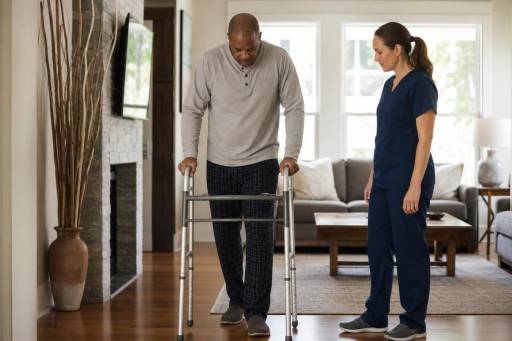
Tailored rehabilitation plans play a vital role in determining when you can safely fly home after hip replacement surgery. Physical therapy is a cornerstone of this recovery process, helping to improve joint mobility, strength, and balance. Your rehabilitation schedule typically includes exercises to enhance muscle control and walking ability with assistive devices.
Recovery rates vary from patient to patient depending on factors like age, overall health, and surgical technique. Your medical team will assess your progress through mobility tests and pain management evaluations to guide the timing of your travel. Ensuring you can walk steadily, manage pain effectively, and have no signs of infection or swelling is essential before considering air travel.
Flying too soon after surgery may increase the risk of complications such as deep vein thrombosis (DVT) or delayed wound healing. Therefore, a personalized rehabilitation timeline developed by your Turkish surgeons and physiotherapists is key to balancing recovery goals with travel safety. This tailored approach helps minimize risks and supports a smooth return journey.
Signs You Are Ready to Travel After Hip Replacement in Turkey
Determining your readiness to fly involves meeting several important recovery milestones. First, you should have adequate pain control using oral medications without relying on intravenous pain relief. This indicates your body is stabilizing and you can manage discomfort during travel.
Achieving mobility readiness is also critical. You should be able to walk with minimal assistance, such as using a walker or cane, and navigate steps or uneven surfaces safely. Your physical therapist will evaluate your balance and strength to confirm you can tolerate the physical demands of getting through airports and boarding a plane.
Medical clearance from your surgeon or attending physician is mandatory before booking your flight. They will check for any signs of infection, excessive swelling, or blood clot risks. The absence of these complications and stable vital signs are clear indicators that you can embark on your journey.
Monitoring for swelling, redness, or new pain near your surgical site is also essential. These symptoms may require further treatment and delay travel plans. Open communication with your healthcare team helps ensure you only fly when fully prepared.
How to Coordinate with Your Healthcare Team for Post-Discharge Care
Effective communication between your Turkish surgical team and your local healthcare providers in the USA is essential for seamless post-discharge care. Before leaving Turkey, ensure you receive a comprehensive medical report detailing your surgery, rehabilitation progress, medications, and any special precautions.
Schedule follow-up appointments with orthopedic specialists in your hometown to continue monitoring your recovery. Sharing your medical records electronically can help your local providers understand your surgical history and rehabilitation needs.
Discuss your rehabilitation plan with both teams to arrange physiotherapy sessions that align with your progress. Coordination between therapists in Turkey and the USA ensures continuity without overlapping or gaps in care.
Ask your Turkish doctors about warning signs that require immediate attention after your return. Having clear emergency contact information and instructions empowers you to manage your recovery confidently and safely as you transition home.
Best Practices for a Safe and Comfortable Flight After Hip Surgery
Taking practical precautions during your flight reduces the risk of discomfort and complications. Wearing compression stockings helps promote healthy blood flow and lowers the chance of deep vein thrombosis, a key concern after hip surgery.
Maintaining hydration by drinking water regularly supports circulation and overall well-being during the flight. Avoiding alcohol and caffeine helps prevent dehydration.
Moving your legs and feet periodically, such as ankle pumps or walking the aisle when possible, encourages circulation and reduces swelling. Use assistive devices as advised to manage mobility safely.
Choosing an aisle seat near the restroom can facilitate easier movement. Informing the airline in advance about your condition may allow for additional assistance during boarding and deplaning.
Carry prescribed medications and relevant medical documentation in your carry-on luggage for quick access. Following these strategies enhances comfort and safeguards your health on the journey home.
Planning Your Rehabilitation Timeline Before Returning to the USA
Planning your rehabilitation timeline involves balancing adequate recovery time in Turkey with your travel schedule. Aim to complete initial physiotherapy sessions and reach key mobility goals before booking flights.
Coordinate with your surgical team to establish a realistic timeline based on your healing progress. Early discharge without sufficient rehabilitation may compromise your safety during travel and increase recovery setbacks.
Arrange follow-up care with local physiotherapists and orthopedic providers in the USA prior to your return. This ensures continuity and supports ongoing progress once home.
Consider practical logistics such as airport transfers, accommodation near the clinic, and assistance with luggage to reduce physical strain. Planning transportation with mobility aids ready can ease your travel day.
A well-structured rehabilitation timeline tailored to your needs fosters confidence in your readiness and optimizes your long-term recovery.
Frequently Asked Questions
Q: How long should I wait before flying home after my hip replacement in Turkey?
Find Out If Hip Replacement Surgery May Be Right for You
Answer a few short questions and HealthNode will help you connect with the right orthopedic hip specialist.
Pain and Daily Mobility
This helps us understand how much your hip affects walking, sleep, and daily activities.
Previous Diagnosis or Treatment
Tell us what has already been checked or tried before considering surgery.
Surgery Goals and Timing
Tell us what kind of support you are looking for now.
Contact information
Your information is only used to contact you and is never shared with third parties.
Your request has been received!
Thank you. If you have hip X-ray, MRI, CT scan, diagnosis notes, medication history, injection records, physical therapy notes, or previous surgery records, please keep them ready. A HealthNode consultant will guide you through the next step.
A: Most patients are advised to wait at least 1 to 2 weeks, but this varies based on individual recovery and medical clearance. Always follow your surgeon's specific recommendations.
Q: What signs indicate I am ready to fly after hip surgery?
A: Indicators include adequate pain control, ability to walk with minimal assistance, no signs of swelling or blood clots, and clearance from your healthcare provider.
Q: Should I arrange physiotherapy before flying back?
A: Yes, coordinating physiotherapy and rehabilitation sessions before your departure can enhance your recovery and prepare you for safe travel.
Q: Are there any precautions I should take during the flight?
A: Yes, wear compression stockings, stay hydrated, move around periodically, and follow your doctor’s advice to prevent blood clots and ensure comfort.
Q: How can I ensure continuous care after returning to the USA?
A: Arrange follow-up appointments with your local orthopedic surgeon and physiotherapist, and share your Turkish medical records for seamless care.
Q: What should I do if I experience pain or swelling during the flight?
A: Seek immediate medical attention upon arrival or contact your healthcare provider for guidance.
The information provided is for educational purposes only and does not constitute medical advice. Always consult with a healthcare professional for medical guidance specific to your situation.