Quick Answer
Hip replacement recovery can be delayed due to medical complications, psychological factors, and environmental or social challenges even after you are ready for rehabilitation. Addressing these factors with a personalized rehabilitation plan and open communication with healthcare providers can help optimize recovery.
- Postoperative complications such as infections, blood clots, and implant issues are common causes of delayed hip replacement recovery.
- Psychological factors like anxiety, depression, and fear of movement can reduce motivation and slow rehabilitation progress.
- Environmental and social factors, including lack of support and transportation difficulties, may affect adherence to rehabilitation schedules.
- Maintaining good nutrition, sleep quality, and managing pre-existing health conditions influence the body's healing ability.
- Personalized rehabilitation plans tailored to individual needs improve engagement and recovery outcomes.
- Early recognition and treatment of complications are critical to prevent prolonged recovery or permanent damage.
- Open communication with healthcare providers and setting realistic goals support a successful rehabilitation journey.
Hip Replacement Recovery Can Be Delayed Even After You Are Ready for Rehabilitation
Hip replacement recovery can be slower than expected even when you feel physically ready to begin rehabilitation. Various factors can contribute to these delays, ranging from medical complications to psychological challenges. Recognizing these influences helps you set realistic expectations and work with your healthcare team to optimize your healing process.
Recovery after hip replacement surgery is a complex journey that varies widely among individuals. While many patients progress smoothly through rehabilitation, some encounter obstacles that extend their recovery time. These may include infections, blood clots, implant issues, or mental health concerns such as anxiety and depression, each of which can impact your ability to regain strength and mobility.
Understanding the reasons behind delayed recovery is important for managing your rehabilitation effectively. By addressing both physical and emotional aspects, you can improve your chances of a successful outcome. This article outlines key factors that may slow down your recovery, discusses strategies to overcome them, and highlights the value of personalized rehabilitation plans tailored to your specific needs.
Find Out If Hip Replacement Surgery May Be Right for You
Answer a few short questions and HealthNode will help you connect with the right orthopedic hip specialist.
Pain and Daily Mobility
This helps us understand how much your hip affects walking, sleep, and daily activities.
Previous Diagnosis or Treatment
Tell us what has already been checked or tried before considering surgery.
Surgery Goals and Timing
Tell us what kind of support you are looking for now.
Contact information
Your information is only used to contact you and is never shared with third parties.
Your request has been received!
Thank you. If you have hip X-ray, MRI, CT scan, diagnosis notes, medication history, injection records, physical therapy notes, or previous surgery records, please keep them ready. A HealthNode consultant will guide you through the next step.
Being informed about potential challenges and maintaining open communication with your care providers empowers you to take an active role in your recovery. Setting realistic goals and recognizing that healing is a gradual process can help you stay motivated and resilient throughout your rehabilitation journey.
Factors Contributing to Delayed Hip Replacement Recovery
Several factors can slow down your hip replacement recovery even after you are cleared for rehabilitation. Medical issues like postoperative complications are common contributors. These include infections, blood clots, or problems with the implant itself that may require additional treatment or monitoring, potentially extending your recovery timeline.
Psychological factors also play a significant role. Anxiety, depression, and fear of movement can reduce your motivation and ability to participate fully in rehab exercises, delaying the regaining of strength and mobility. Addressing these emotional challenges is essential for maintaining consistent rehabilitation efforts.
Environmental and social factors such as lack of support at home, transportation difficulties, or inadequate living conditions may affect your rehabilitation schedule and adherence. Nutrition, sleep quality, and pre-existing health conditions such as diabetes, obesity, or cardiovascular disease also influence recovery speed by impacting your body's ability to heal and respond to therapy.
Each patient's experience is unique, so delays in recovery do not necessarily indicate failure but highlight the need for a comprehensive approach to care that addresses all these aspects simultaneously. Collaborating with your healthcare team to identify and manage these factors can help optimize your recovery trajectory.
The Role of Postoperative Complications in Recovery Delays
Postoperative complications are among the most significant reasons for delays in hip replacement recovery. Infections at the surgical site can cause increased pain, swelling, and require antibiotics or even further surgery to resolve. Such infections can impede healing and prolong rehabilitation.
Blood clots, particularly deep vein thrombosis (DVT), can be life-threatening and often necessitate immediate medical intervention to prevent serious complications like pulmonary embolism. Awareness of symptoms such as leg swelling, redness, or pain is crucial for timely diagnosis.
Implant-related problems such as loosening, dislocation, or wear can impair your mobility and cause discomfort. These issues may emerge shortly after surgery or during the months following and often require close monitoring through clinical evaluations and imaging studies.
Early recognition and treatment of these complications are critical to prevent prolonged recovery or permanent damage. Your healthcare team will typically schedule follow-ups and may perform imaging or laboratory tests to detect problems before they worsen.
Maintaining hygiene, following medication instructions, and reporting symptoms like fever, unusual pain, or swelling promptly can help reduce the impact of postoperative complications on your rehabilitation timeline. Being proactive about these measures supports a smoother and safer recovery process.
How Psychological Factors Can Impact Hip Surgery Outcomes
Your mental and emotional state can significantly affect how well you recover from hip replacement surgery. Anxiety about pain, fear of falling, or doubts about the surgery's success might limit your participation in physical therapy exercises, potentially slowing progress. These psychological barriers can lead to avoidance behaviors, reducing the intensity and frequency of rehabilitation activities.
Depression can also lower energy levels and motivation, making it harder to maintain the consistent effort rehabilitation requires. Additionally, stress hormones released during periods of emotional distress may interfere with the body's healing processes, potentially prolonging recovery time and increasing the risk of complications.
Psychological readiness involves feeling confident and emotionally prepared to face the rehabilitation challenges. Support from counselors, support groups, or mental health professionals can be invaluable during this phase, helping you develop coping strategies and maintain a positive outlook.
Recognizing and addressing psychological factors early can enhance your physical recovery and overall well-being. Open communication with your care team about your mental health is essential for comprehensive postoperative care, ensuring that both physical and emotional needs are met throughout your rehabilitation journey.
Strategies to Minimize Recovery Delays and Set Realistic Expectations
Managing your recovery proactively can help reduce delays and improve outcomes. Adhering closely to your rehabilitation plan and attending all scheduled therapy sessions is critical, as these activities build strength, improve mobility, and prevent complications such as stiffness or muscle atrophy.
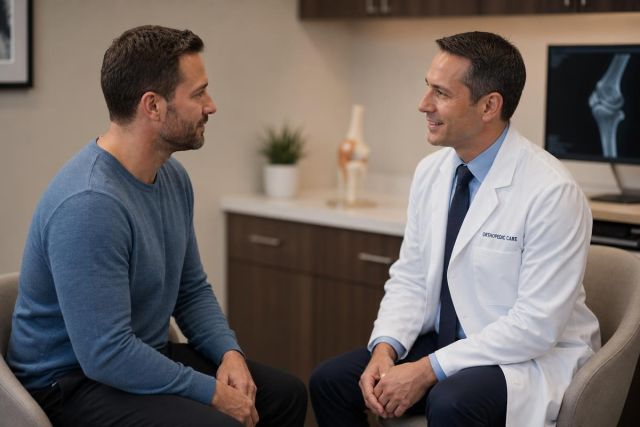
Clear communication with your healthcare providers about your progress, concerns, or any new symptoms allows timely adjustments to your treatment, ensuring your rehabilitation remains safe and effective. Setting achievable short-term goals helps maintain motivation and provides a sense of accomplishment, which can be particularly important during challenging phases of recovery.
Maintaining a healthy diet, staying hydrated, and getting adequate rest support your body's healing capabilities by providing necessary nutrients and energy. Addressing psychological challenges with professional help when needed ensures emotional barriers do not impede your progress, promoting a holistic approach to recovery.
Patience and realistic expectations are important since recovery timelines vary among individuals. Some days may feel slower than others, but consistent effort and collaboration with your care team are key to a successful rehabilitation journey. Understanding that setbacks can occur and being prepared to adapt your plan accordingly helps maintain resilience and long-term progress.
The Importance of Personalized Rehabilitation Plans in Hip Replacement Recovery
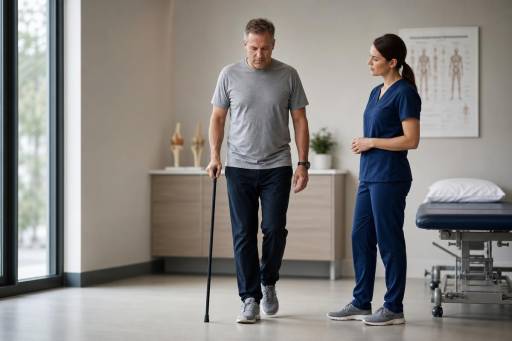
Personalized rehabilitation programs tailor exercises and care plans to your unique needs, health status, and lifestyle. This customization is crucial because each patient's recovery journey is different, and generic rehabilitation protocols may not adequately address individual challenges such as balance issues, muscle weakness, or pre-existing conditions like arthritis or cardiovascular disease.
Your physical therapist and surgeon collaborate to create a plan that matches your pace and goals while minimizing risks, ensuring that exercises are safe and effective. This approach can improve engagement and effectiveness by focusing on what matters most for your recovery, such as regaining strength, flexibility, and functional mobility.
Adjustments over time based on your progress ensure that the rehabilitation remains appropriate and challenging without causing setbacks or overexertion. Personalized plans also consider your home environment and available support, facilitating better adherence by incorporating practical modifications or assistive devices as needed.
Individualized care increases the likelihood of reaching optimal recovery outcomes, reduces complications, and enhances your confidence in managing your rehabilitation. By addressing your specific circumstances, personalized rehabilitation promotes a more efficient and satisfying recovery experience.
When to Seek Medical Advice for Recovery Concerns
Knowing when to consult your healthcare provider is vital if you suspect your recovery is delayed or complicated. Persistent or worsening pain beyond expected healing timelines can signal an underlying issue that requires prompt evaluation. It is important to differentiate normal postoperative discomfort from pain that may indicate complications such as infection or implant problems.
Signs such as increased swelling, redness, warmth around the surgical site, fever, or drainage may indicate infection, which can compromise healing and necessitate medical treatment. Similarly, limited mobility or instability that does not improve with therapy could suggest mechanical issues with the implant or other complications requiring assessment.
If you experience symptoms like chest pain, shortness of breath, or calf pain, seek immediate medical attention as these may be signs of blood clots, which are serious and potentially life-threatening conditions. Early recognition and treatment of such symptoms are critical.
Find Out If Hip Replacement Surgery May Be Right for You
Answer a few short questions and HealthNode will help you connect with the right orthopedic hip specialist.
Pain and Daily Mobility
This helps us understand how much your hip affects walking, sleep, and daily activities.
Previous Diagnosis or Treatment
Tell us what has already been checked or tried before considering surgery.
Surgery Goals and Timing
Tell us what kind of support you are looking for now.
Contact information
Your information is only used to contact you and is never shared with third parties.
Your request has been received!
Thank you. If you have hip X-ray, MRI, CT scan, diagnosis notes, medication history, injection records, physical therapy notes, or previous surgery records, please keep them ready. A HealthNode consultant will guide you through the next step.
Regular postoperative follow-ups are essential for monitoring your progress and identifying any emerging problems early. Don’t hesitate to report concerns promptly; timely intervention can prevent further delays and promote a safer, more effective recovery. Open communication with your healthcare team ensures that any deviations from expected healing are addressed appropriately, improving your overall outcome.
Frequently Asked Questions
Q: What are common reasons for delayed hip replacement recovery?
A: Common reasons include postoperative complications, psychological factors, inadequate rehabilitation, and underlying health conditions.
Q: Can psychological stress affect my recovery after hip surgery?
A: Yes, stress, anxiety, and depression can negatively impact healing and rehabilitation progress.
Q: How can I tell if my recovery is delayed or abnormal?
A: Signs include persistent pain, limited mobility beyond expected timelines, swelling, or signs of infection. Consult your doctor if unsure.
Q: What can I do to prevent recovery delays?
A: Follow your rehabilitation plan closely, maintain good communication with your healthcare team, and address any psychological or medical issues promptly.
Q: Is it normal to experience setbacks during recovery?
A: Yes, setbacks can occur but should be discussed with your healthcare provider to adjust your rehabilitation plan accordingly.
Q: When should I contact my doctor about my recovery progress?
A: Contact your doctor if you experience severe pain, swelling, fever, or any signs of infection or other complications.
The information provided is for educational purposes only and does not constitute medical advice. Always consult with a healthcare professional for medical guidance specific to your situation.