Quick Answer
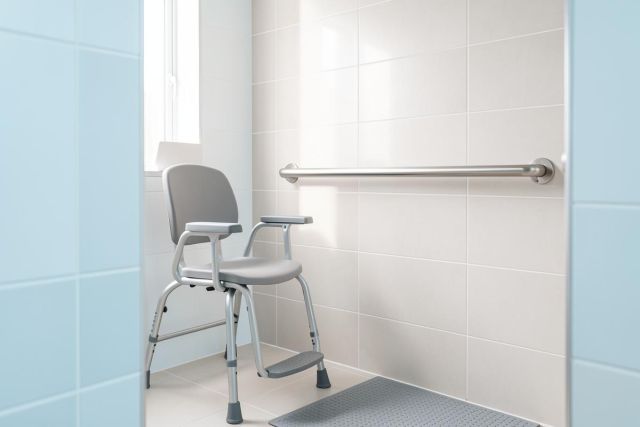
To shower safely after hip replacement surgery, use assistive devices like grab bars and shower chairs, keep all necessary items within reach, and take precautions such as using non-slip mats to prevent falls. Planning ahead and involving caregivers can also enhance safety and confidence during showering.
- Using grab bars and shower chairs provides essential support and stability while showering after hip replacement surgery.
- Non-slip mats inside and outside the shower help prevent slips and falls on wet surfaces.
- Keeping towels, soap, and clothes within easy reach minimizes unnecessary movements and reduces accident risk.
- Taking time and avoiding rushing during showering is important to prevent falls and injuries.
- Caregivers can play a vital role by assisting with mobility and ensuring safe use of assistive devices.
- Preparing the shower environment by removing clutter and ensuring good lighting enhances safety.
- Following a step-by-step shower routine and using proper equipment promotes independence and comfort during recovery.
How Do I Shower Safely After Hip Replacement Surgery?
Showering safely after hip replacement surgery is crucial for recovery. Patients often face challenges when maintaining hygiene during this vital healing period. Following surgery, the risk of slips and falls increases, making safe showering practices essential. Understanding how to shower after hip surgery can help prevent complications and ensure a smoother recovery.
Post-hip replacement shower tips include using assistive devices to enhance safety. Many patients benefit from installing grab bars and using shower chairs. These tools provide stability and support while bathing, reducing the risk of injury. Taking precautions can make a substantial difference in overall comfort and confidence during recovery.
Incorporating best practices for showering post-surgery means prioritizing safety and independence. Patients can adapt their bathing routine to accommodate their new mobility limitations. This proactive approach not only promotes hygiene but also fosters a sense of control during the recovery journey. Embracing these strategies encourages a positive mindset as healing progresses.
Find Out If Hip Replacement Surgery May Be Right for You
Answer a few short questions and HealthNode will help you connect with the right orthopedic hip specialist.
Pain and Daily Mobility
This helps us understand how much your hip affects walking, sleep, and daily activities.
Previous Diagnosis or Treatment
Tell us what has already been checked or tried before considering surgery.
Surgery Goals and Timing
Tell us what kind of support you are looking for now.
Contact information
Your information is only used to contact you and is never shared with third parties.
Your request has been received!
Thank you. If you have hip X-ray, MRI, CT scan, diagnosis notes, medication history, injection records, physical therapy notes, or previous surgery records, please keep them ready. A HealthNode consultant will guide you through the next step.
7 Crucial Precautions for Safe Showering After Hip Surgery
Safe showering after hip surgery is vital for preventing accidents. Patients need to prioritize safety while maintaining hygiene during recovery. Implementing showering precautions after hip replacement can greatly reduce the risk of slips and falls. Following these essential tips ensures a smoother bathing experience at home.
Start by using non-slip mats inside and outside the shower area. These mats provide traction, helping to prevent falls on wet surfaces. Showering safety for hip replacement patients includes keeping the floor free of clutter. Ensuring that personal items are within reach also minimizes unnecessary movement and potential accidents.
Installing grab bars in the shower can offer significant support. These bars provide stability while entering or exiting the shower. Using a shower chair can further enhance comfort and safety. Hip replacement recovery showering advice emphasizes the importance of these aids in maintaining independence during daily routines.
Practical takeaways include planning ahead for each shower. Always have towels and clothes within easy reach. Wearing slippers with good grip can also be beneficial. Embracing these strategies will foster confidence and promote safe showering after hip surgery. Adapting your environment for safety encourages a more comfortable recovery journey.
Step-by-Step Guide: How to Shower After Hip Replacement
How to shower after hip surgery requires careful planning and preparation. A step-by-step shower guide after hip replacement can help ensure safety and comfort. Following these instructions will make the process easier during recovery. Engaging in proper techniques is crucial for maintaining hygiene while protecting your hip.
Begin by gathering all necessary items before entering the shower. This includes towels, soap, and any personal hygiene products. Having these items close by eliminates the need for unnecessary movements. Post-hip replacement shower tips emphasize the importance of minimizing risk during this daily activity.
Next, use a sturdy shower chair if balance is a concern. Sit on the chair while showering to prevent fatigue. Make sure to adjust the water temperature before entering the shower. Hip surgery hygiene routine should include rinsing from top to bottom to avoid slipping and falling.
Conclude your shower by carefully standing up and drying off. Take your time to avoid any sudden movements. Always be mindful of your surroundings to ensure safety. Incorporating these post-hip replacement shower tips promotes a smoother recovery process. Implementing these strategies can make showering a more comfortable experience as you heal.
Essential Shower Equipment: Must-Have Aids for Hip Replacement Patients
Essential shower equipment: must-have aids for hip replacement patients can greatly enhance safety. Utilizing the right tools can make bathing easier and more secure. Investing in quality showering safety for hip replacement patients is vital for a successful recovery. The right aids can help maintain independence while ensuring comfort during hygiene routines.
A shower chair for hip surgery is a crucial piece of equipment. This chair allows patients to sit while bathing, reducing the risk of falls. Many models come with adjustable heights and back support for added comfort. Using a shower chair not only improves safety but also provides a sense of stability during showering.
Grab bars are another essential aid that enhances safety. Installing grab bars in the shower allows patients to hold onto something while entering or exiting. These bars provide critical support and balance, especially when wet surfaces increase the risk of slipping. Assistive devices for hip replacement, such as grab bars, contribute to a safer bathing experience.
Practical takeaways include reviewing your bathroom setup before showering. Consider all equipment that can assist you during your hygiene routine. Items like non-slip mats and handheld shower heads can also be helpful. Incorporating these aids will promote showering safety for hip replacement patients. Taking these steps can lead to a more confident and comfortable recovery process.
Top 5 Mistakes to Avoid When Showering After Hip Surgery
Top 5 mistakes to avoid when showering after hip surgery can significantly impact recovery. Many patients overlook simple yet crucial safety measures. Being aware of these common pitfalls helps ensure a safer bathing experience. Implementing post-hip replacement shower tips can lead to a smoother recovery process.
One common mistake is rushing through the showering process. Taking your time is essential to prevent slips and falls. Showering precautions after hip replacement emphasize the importance of a calm approach. Allow yourself enough time to adjust to the new movements without feeling hurried.
Another frequent error is neglecting to use assistive devices. Failing to install grab bars or use a shower chair can increase risks. These aids provide crucial support and stability during bathing. Hip surgery recovery mistakes often stem from not utilizing available resources for safety.
Patients sometimes forget to prepare their shower environment. Keeping personal items within easy reach reduces unnecessary bending or stretching. This simple adjustment can prevent accidents and promote independence. Best practices for showering post-surgery involve setting up your space for success.
Practical takeaways include reviewing your shower routine before each use. Be mindful of your movements and the equipment available to you. Taking these precautions can enhance your bathing experience. Avoiding these common mistakes will lead to safer showering after hip surgery, ensuring a more comfortable recovery journey.
Find Out If Hip Replacement Surgery May Be Right for You
Answer a few short questions and HealthNode will help you connect with the right orthopedic hip specialist.
Pain and Daily Mobility
This helps us understand how much your hip affects walking, sleep, and daily activities.
Previous Diagnosis or Treatment
Tell us what has already been checked or tried before considering surgery.
Surgery Goals and Timing
Tell us what kind of support you are looking for now.
Contact information
Your information is only used to contact you and is never shared with third parties.
Your request has been received!
Thank you. If you have hip X-ray, MRI, CT scan, diagnosis notes, medication history, injection records, physical therapy notes, or previous surgery records, please keep them ready. A HealthNode consultant will guide you through the next step.
How to Involve Caregivers: Support Strategies for Safe Showering
How to involve caregivers: support strategies for safe showering are essential for recovery. Caregivers play a crucial role in ensuring safety during bathing. Their support can enhance confidence and comfort for hip replacement patients. Implementing effective caregiver support for hip replacement can significantly reduce the risk of accidents.
First, communicate openly about your needs and preferences. Discuss specific challenges you face while showering. Sharing these details allows caregivers to provide better assistance. Showering safety for hip replacement patients improves when caregivers are informed and engaged in the process.
Next, train caregivers on the proper use of assistive devices. Demonstrating how to use grab bars and shower chairs can enhance safety. This training empowers caregivers to assist patients effectively. Post-hip replacement care tips emphasize the importance of collaboration between patients and caregivers.
Finally, establish a clear showering routine that includes caregiver support. Setting a schedule can help both patients and caregivers feel more prepared. Timing is essential for ensuring that assistance is available when needed. Taking these steps promotes safe showering after hip surgery and encourages a smoother recovery journey. Engaging caregivers in this process fosters a supportive environment that benefits everyone involved.
Frequently Asked Questions
Q: What are the best practices for showering post-surgery?
A: Best practices for showering post-surgery include using a shower chair. Keeping all supplies within reach minimizes unnecessary movements. Ensure that the bathroom is well-lit and free of obstacles. These steps enhance safe showering after hip surgery.
Q: How to shower after hip surgery without falling?
A: Safe showering after hip surgery involves careful planning. Using grab bars and non-slip mats can prevent slips. A shower chair can provide stability and comfort during bathing. Following these precautions promotes showering safety for hip replacement patients.
Q: When can I shower after hip replacement surgery?
A: You can typically shower several days after surgery. Always follow your doctor's specific advice regarding timing. Ensure your incision is healing properly before showering. Following post-hip replacement shower tips is essential for safety.
Q: Why is caregiver support important for showering?
A: Caregiver support is vital for safe showering after hip surgery. They can assist with mobility and provide reassurance during bathing. Proper assistance helps patients feel more confident and secure. This enhances the overall recovery process.
Q: What precautions should I take when showering?
A: Showering precautions after hip replacement include using assistive devices. Always sit on a shower chair if needed. Avoid bending over or reaching for items while bathing. These practices ensure better safety and comfort during your shower.
The information provided is for educational purposes only and does not constitute medical advice. Always consult with a healthcare professional for medical guidance specific to your situation.