Quick Answer
Living alone after hip replacement requires careful planning of your home environment, daily routines, support systems, pain management, and knowing when to seek medical help during the first weeks of recovery.
- Prepare your home before surgery by removing tripping hazards, installing grab bars, and arranging frequently used items within easy reach to ensure safety.
- Manage daily activities like bathing and dressing with assistive devices such as shower chairs, long-handled shoehorns, and mobility aids to maintain independence.
- Arrange a support network of family, friends, or professional caregivers for check-ins, errands, and transportation to medical appointments.
- Follow prescribed pain medication schedules and use non-pharmacologic methods like ice packs and leg elevation to control pain safely at home.
- Be aware of medication side effects and monitor for signs of complications such as infection or severe pain that require medical attention.
- Keep a phone accessible at all times and consider emergency alert devices to facilitate quick communication in case of emergencies.
- Regular communication with your healthcare team and attending follow-up visits help ensure a safe and effective recovery process.
Living Alone After Hip Replacement: Which Parts of the First Weeks Usually Need Planning?
Living alone after hip replacement surgery demands thoughtful preparation to ensure a safe and comfortable recovery during the first weeks at home. Key areas to plan include modifying your living environment for safety, managing daily activities independently, arranging support when needed, handling pain and medications properly, and knowing when to seek medical help.
Recovering from hip replacement involves limited mobility and specific precautions to protect your new joint and prevent complications. Since you won’t have immediate in-home assistance, setting up your home with safety features and assistive devices before surgery is essential. Establishing routines for bathing, dressing, and moving will help maintain independence while minimizing fall risks.
Coordinating a support network of family, friends, or professional caregivers can provide critical help during challenging moments or emergencies. Understanding how to safely manage pain and medications at home also supports smoother healing. Being aware of warning signs that require medical attention is equally important to avoid setbacks. Careful planning across these areas can empower you to recover confidently while living alone after hip replacement.
Find Out If Hip Replacement Surgery May Be Right for You
Answer a few short questions and HealthNode will help you connect with the right orthopedic hip specialist.
Pain and Daily Mobility
This helps us understand how much your hip affects walking, sleep, and daily activities.
Previous Diagnosis or Treatment
Tell us what has already been checked or tried before considering surgery.
Surgery Goals and Timing
Tell us what kind of support you are looking for now.
Contact information
Your information is only used to contact you and is never shared with third parties.
Your request has been received!
Thank you. If you have hip X-ray, MRI, CT scan, diagnosis notes, medication history, injection records, physical therapy notes, or previous surgery records, please keep them ready. A HealthNode consultant will guide you through the next step.
Preparing Your Home for Safe and Comfortable Recovery
Before your hip replacement surgery, preparing your home with safety modifications can greatly reduce the risk of falls and make daily tasks easier. Clear walkways of rugs, cords, or clutter that could cause tripping. Arrange frequently used items within easy reach to avoid excessive bending or stretching.
Installing grab bars in the bathroom near the toilet and shower helps with stability. A raised toilet seat and a shower chair also support safer personal hygiene. Consider non-slip mats in wet areas to prevent slipping.
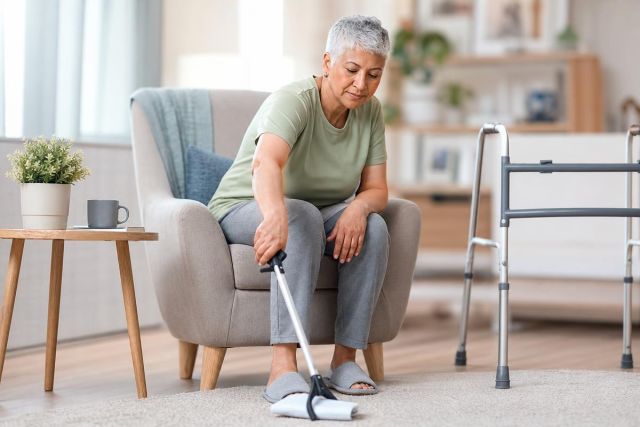
Assistive devices such as walkers, canes, or reachers should be ready and adjusted to your height. You may want to rearrange furniture to create clear paths wide enough for your mobility aids. If your home has stairs, plan to limit or avoid them initially, or explore temporary living arrangements on one floor if possible.
Planning these home modifications before surgery reduces stress and promotes independence during the critical first weeks of recovery. Taking these steps ensures your environment supports safe movement and comfort as you heal.
Essential Daily Routines and Activities to Manage Independently
Managing daily routines independently after hip replacement surgery requires adapting your activities to maintain safety and protect your new hip. Bathing safely is a common concern; using a shower chair and hand-held showerhead can help you avoid standing too long or slipping. Avoid bathtubs initially unless you have proper grab bars and assistance.
Dressing can be challenging due to limited hip motion. Use long-handled shoehorns and dressing sticks to reduce bending. Sit down when dressing to maintain balance. Choose loose, comfortable clothing that is easy to put on.
Moving around your home should be done slowly and carefully. Use your mobility aids consistently and avoid sudden movements. Take frequent rest breaks to avoid fatigue.
Planning meal preparation ahead can save effort. Prepare simple meals or arrange for easy-to-heat options. Keep healthy snacks nearby to avoid frequent trips to the kitchen.
Establishing these safe daily routines helps you maintain independence while reducing the risk of falls or injury during your initial recovery phase.
How to Arrange Support and Assistance During the First Weeks
Even though you live alone, having a reliable support network during the first weeks after hip replacement is vital for safety and peace of mind. Reach out to family members, friends, or neighbors who can check in regularly or assist with errands and household tasks.
Professional home care services can provide medical or personal assistance if family support is limited. These services may include help with medication management, wound care, or mobility support.
Plan for transportation to follow-up appointments and physical therapy sessions, as driving is usually restricted early in recovery. If you do not have someone to assist, consider arranging rides through community resources or ride-sharing services.
Having a phone within easy reach at all times can facilitate quick communication in case of emergencies. Consider wearable alert devices if you are concerned about falls.
Coordinating support ahead of time helps you avoid isolation and ensures timely help when needed, making your recovery safer and smoother.
Managing Pain and Medication Safely at Home
Effective pain management after hip replacement is crucial for comfort and mobility. Follow your surgeon’s instructions for taking prescribed pain medications, including dosages and timing. Avoid skipping doses if pain is expected to interfere with activity.
Use non-pharmacologic methods too, such as ice packs to reduce swelling and elevation of the leg when resting. Gentle movement and physical therapy exercises can also help control pain over time.
Be aware of medication side effects like drowsiness or constipation, and report any concerning symptoms to your healthcare provider. Keep all medications in a safe, organized place and avoid mixing with alcohol.
Monitoring for signs of complications such as severe or worsening pain, redness, or drainage at the surgical site is important. Promptly report these symptoms to your doctor.
Safe medication management and pain control at home support your healing and help you regain independence more quickly.
When to Seek Medical Help During Your Recovery
Knowing when to contact your healthcare provider during recovery after hip replacement can prevent complications from worsening. Seek medical attention if you experience signs of infection such as increased redness, swelling, warmth, or drainage from the surgical site.
Fever higher than 101°F (38.3°C) or chills may also indicate infection. Sudden or severe pain that does not improve with medication warrants evaluation. Difficulty breathing, chest pain, or swelling in the calf could signal serious complications like blood clots.
Prepare for follow-up visits by keeping a list of your symptoms, questions, and medication schedule. Bring any medical devices or mobility aids you use.
Find Out If Hip Replacement Surgery May Be Right for You
Answer a few short questions and HealthNode will help you connect with the right orthopedic hip specialist.
Pain and Daily Mobility
This helps us understand how much your hip affects walking, sleep, and daily activities.
Previous Diagnosis or Treatment
Tell us what has already been checked or tried before considering surgery.
Surgery Goals and Timing
Tell us what kind of support you are looking for now.
Contact information
Your information is only used to contact you and is never shared with third parties.
Your request has been received!
Thank you. If you have hip X-ray, MRI, CT scan, diagnosis notes, medication history, injection records, physical therapy notes, or previous surgery records, please keep them ready. A HealthNode consultant will guide you through the next step.
Regular communication with your healthcare team ensures that your recovery stays on track and that any issues are addressed promptly for the best outcomes.
Frequently Asked Questions
Q: What home modifications are most important after hip replacement?
A: The most important home modifications include removing tripping hazards, installing grab bars in the bathroom, using non-slip mats, and ensuring frequently used items are within easy reach. These changes help reduce fall risk and support safe movement during recovery.
Q: How can I safely manage bathing when living alone post-surgery?
A: Use a shower chair and hand-held showerhead to minimize standing. Avoid bathtubs unless you have proper safety equipment and assistance. Taking your time and having non-slip mats can further increase safety.
Q: What support should I arrange if I live alone after hip replacement?
A: Plan for regular check-ins from family or friends, arrange professional home care if needed, and organize transportation for medical appointments. Having a phone accessible at all times and considering emergency alert devices can improve safety.
Q: How do I know if post-surgery pain is normal or needs medical attention?
A: Mild to moderate pain that improves with medication and rest is typical. Severe pain that worsens or does not respond to treatment, especially with redness or swelling, should prompt medical evaluation.
Q: When can I start walking and moving independently after hip replacement?
A: Your healthcare team will guide you based on your specific surgery and recovery progress. Generally, light walking with assistance begins shortly after surgery, increasing gradually as tolerated under supervision.
The information provided is for educational purposes only and does not constitute medical advice. Always consult with a healthcare professional for medical guidance specific to your situation.