Quick Answer
Living alone significantly impacts the decision to proceed with outpatient hip replacement surgery, as it requires careful evaluation of home safety, support systems, and the patient's ability to manage recovery independently. Proper planning and communication with healthcare providers are essential to ensure a safe and effective recovery.
- Outpatient hip replacement surgery requires a safe home environment and adequate support, which can be challenging for patients living alone.
- Healthcare providers assess home safety hazards and the availability of family, friends, or professional caregivers before recommending outpatient surgery.
- Living alone necessitates arranging additional home care services and modifying the living space to reduce fall risks and support daily activities post-surgery.
- Open communication with healthcare teams about living situations helps tailor recovery plans and may involve home safety evaluations or connecting patients with community resources.
- Practical strategies for those living alone include using assistive devices, scheduling regular check-ins, and adhering strictly to rehabilitation and pain management protocols.
- Certain risk factors like complex medical conditions, cognitive challenges, or unsafe home environments may lead to reconsidering outpatient surgery in favor of inpatient care.
- Proactive planning and addressing gaps in support or home safety increase the likelihood of a successful outpatient hip replacement recovery for patients living alone.
Living Alone Can Change the Outpatient Hip Replacement Decision Before Surgery Even Starts
Outpatient hip replacement surgery can be a safe and effective option for many patients, offering benefits such as shorter hospital stays, reduced healthcare costs, and a quicker return to familiar surroundings. However, living alone significantly influences whether this approach is suitable for you, as the postoperative period requires careful management of pain, mobility, and daily activities.
The decision to proceed with outpatient surgery depends heavily on your personal living situation, including your ability to manage recovery independently and the availability of support systems such as family, friends, or professional caregivers. Patients who live alone face unique challenges that require careful evaluation before surgery to ensure their safety and successful recovery.
These challenges include managing pain effectively without immediate assistance, navigating mobility limitations safely, and performing essential daily tasks like dressing, cooking, and wound care during the critical initial recovery period. Healthcare providers must assess whether your home environment and available support meet the necessary criteria to ensure patient safety and promote healing.
Find Out If Hip Replacement Surgery May Be Right for You
Answer a few short questions and HealthNode will help you connect with the right orthopedic hip specialist.
Pain and Daily Mobility
This helps us understand how much your hip affects walking, sleep, and daily activities.
Previous Diagnosis or Treatment
Tell us what has already been checked or tried before considering surgery.
Surgery Goals and Timing
Tell us what kind of support you are looking for now.
Contact information
Your information is only used to contact you and is never shared with third parties.
Your request has been received!
Thank you. If you have hip X-ray, MRI, CT scan, diagnosis notes, medication history, injection records, physical therapy notes, or previous surgery records, please keep them ready. A HealthNode consultant will guide you through the next step.
Understanding how living alone impacts outpatient hip replacement decisions helps you and your medical team create a tailored plan that prioritizes your well-being. This article guides you through key considerations, including safety assessments, recovery planning, communication with healthcare providers, and practical strategies to support your healing journey. By addressing these factors proactively, you can make informed decisions and optimize your recovery experience.
Assessing Safety and Support Systems for Outpatient Hip Replacement
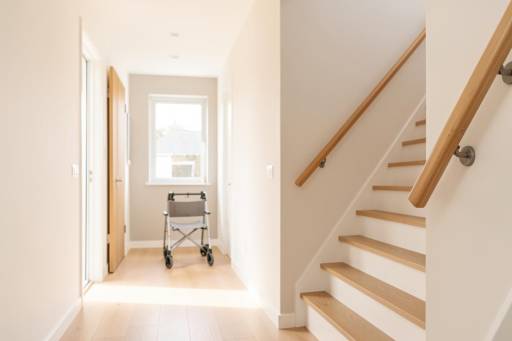
Determining your readiness for outpatient hip replacement starts with a thorough evaluation of your safety and support system at home. Healthcare providers look closely at your living environment to ensure it accommodates your mobility needs after surgery and minimizes risks. This evaluation includes checking for hazards such as stairs without handrails, loose rugs, uneven flooring, or inadequate lighting that could increase the likelihood of falls or injury during recovery.
A strong support network is equally important to facilitate a safe postoperative period. Even if you live alone, having family members, friends, or professional caregivers available during the first few days after surgery can make a significant difference in managing daily tasks, medication schedules, and emergency situations. These individuals can provide assistance with activities like meal preparation, transportation to appointments, and wound care, which are critical during early recovery.
Your overall health status and ability to follow postoperative instructions also factor into the assessment. Medical teams may use specific readiness criteria to decide if outpatient surgery is appropriate, including your capacity to safely manage pain, adhere to rehabilitation exercises, and handle mobility challenges independently or with support. Cognitive function and mental health are also considered, as they influence your ability to comply with care plans.
Planning ahead to address any gaps in support or home safety can increase your likelihood of being a good candidate for outpatient hip replacement. This proactive approach may involve arranging for temporary in-home care, modifying your living space, or coordinating transportation and follow-up care. By addressing these factors before surgery, you help minimize risks and foster a smoother, safer recovery at home.
How Living Alone Affects Post-Surgery Recovery Planning
Living alone means you must plan carefully for the recovery period following outpatient hip replacement surgery, as the absence of immediate household assistance can complicate everyday tasks and increase the risk of injury. Tasks such as dressing, cooking, bathing, and moving safely around your home may become challenging, particularly during the first few days when pain and limited mobility are most pronounced.
To address these challenges, you may need to arrange for additional home care services, such as visiting nurses or physical therapists, or seek temporary support from family members, friends, or neighbors during the critical first two weeks after surgery. This period typically involves managing pain, attending follow-up appointments, and gradually increasing activity levels under medical guidance.
Home care providers can assist with wound care, medication reminders, mobility support, and monitoring for potential complications such as infection or blood clots. Having a reliable contact system in place for emergencies or sudden health changes is essential when recovery occurs without in-home family support, ensuring timely medical intervention if needed.
Effective recovery planning also involves preparing your living space to maximize safety and independence. This can include installing grab bars in bathrooms, securing loose items that could cause tripping, setting up a comfortable recovery area with easy access to essentials like water and medications, and arranging furniture to create clear pathways.
Such preparations help reduce the risk of falls and promote confidence as you heal alone. Additionally, maintaining a schedule for medication, physical therapy exercises, and rest periods supports steady progress. By anticipating potential obstacles and proactively addressing them, you can improve your chances of a successful recovery despite living alone.
Consulting Healthcare Providers About Your Living Situation
Open communication with your healthcare team about your living situation is critical to developing a personalized surgical and recovery plan that addresses your unique needs and circumstances. Disclosing that you live alone allows providers to tailor their recommendations and support options accordingly, ensuring that your recovery is as safe and effective as possible.
Your medical team may suggest additional assessments, such as a home safety evaluation or functional mobility testing, to better understand potential challenges you may face postoperatively. If they determine that sufficient support cannot be arranged or that your living environment poses significant risks, they might recommend postponing outpatient surgery or opting for inpatient care.
Providers may also connect you with social workers, case managers, or discharge planners who specialize in coordinating home care services, community resources, or temporary rehabilitation facilities. These professionals can help arrange for home health aides, physical therapy visits, meal delivery, or transportation to follow-up appointments, which can be invaluable when living alone.
Discussing your living environment in detail ensures that potential safety risks are identified and addressed before surgery. Your healthcare team can offer guidance on necessary home modifications, such as installing grab bars, improving lighting, or rearranging furniture, to facilitate safe mobility and reduce fall risk. They can also advise on equipment needs, like walkers or raised chairs, and strategies to help you maintain independence.
Being transparent about your circumstances empowers your care team to optimize your recovery experience and set realistic expectations about the level of independence you can maintain during the postoperative period and beyond. This openness fosters trust and collaboration, ultimately improving your outcomes and satisfaction with care.
Practical Strategies for Safe Outpatient Hip Replacement Recovery at Home
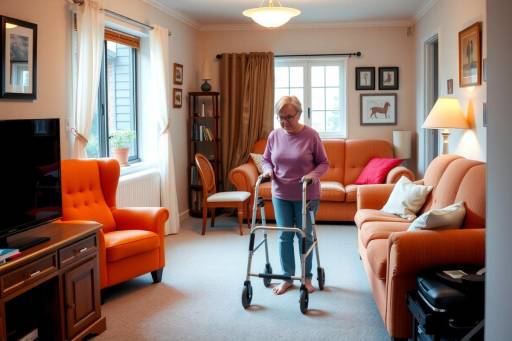
If you live alone and proceed with outpatient hip replacement, there are several practical steps you can take to support a safe and effective recovery at home. First, it is essential to modify your living environment to reduce fall hazards. This includes removing clutter from floors, securing loose rugs with non-slip backing or removing them entirely, and ensuring all pathways are wide and clear to accommodate mobility aids such as walkers or canes.
Arranging for assistive devices before surgery, like a walker, cane, or raised toilet seat, can significantly improve your stability and independence. Position essential items such as medications, your phone, water, and snacks within easy reach, ideally at waist or chest height, to minimize bending or stretching that could strain your hip or cause imbalance.
Scheduling regular check-ins with a trusted friend, family member, or neighbor, whether by phone or in-person, can provide both emotional support and practical assistance. These check-ins help monitor your progress, ensure you are following your rehabilitation plan, and provide help promptly if any issues arise.
Consider hiring professional home health aides or nurses, especially during the early recovery phase, to assist with wound care, medication management, and mobility training. These professionals can also educate you on signs of complications and when to seek medical attention.
Adhering strictly to your prescribed rehabilitation exercises and pain management protocols is crucial. Proper pain control facilitates mobility and prevents complications such as blood clots or pneumonia. Promptly reporting any unusual symptoms, such as increased pain, swelling, redness, fever, or difficulty breathing, to your healthcare provider is vital for early intervention.
By combining these strategies, home modification, assistive devices, regular support check-ins, professional care, and adherence to medical instructions, you can enhance your safety and promote effective healing while living independently after outpatient hip replacement surgery.
When to Reconsider Outpatient Surgery Based on Your Living Situation
Certain risk factors related to living alone may prompt reconsideration of outpatient hip replacement surgery, as the initial recovery phase requires close monitoring and support to manage pain, mobility, and potential complications. If you lack reliable access to assistance during the first days or weeks after surgery, outpatient surgery might not be the safest choice. This is especially important because the early postoperative period can involve challenges such as limited mobility, medication management, and wound care that often require help from others.
Complex medical conditions like diabetes, cardiovascular disease, or respiratory issues can increase the risk of complications after surgery, making independent recovery more difficult. Limited mobility before surgery, such as reliance on a wheelchair or severe balance problems, may also increase the likelihood of falls or injury when living alone. Cognitive challenges, including memory impairment or difficulty understanding instructions, can further complicate self-care and adherence to rehabilitation protocols.
Similarly, an unsafe home environment with multiple obstacles, such as stairs without railings, slippery floors, or inadequate bathroom facilities, may not support a safe recovery. In such cases, inpatient care or temporary relocation to a rehabilitation facility might be recommended to ensure proper supervision and assistance.
Find Out If Hip Replacement Surgery May Be Right for You
Answer a few short questions and HealthNode will help you connect with the right orthopedic hip specialist.
Pain and Daily Mobility
This helps us understand how much your hip affects walking, sleep, and daily activities.
Previous Diagnosis or Treatment
Tell us what has already been checked or tried before considering surgery.
Surgery Goals and Timing
Tell us what kind of support you are looking for now.
Contact information
Your information is only used to contact you and is never shared with third parties.
Your request has been received!
Thank you. If you have hip X-ray, MRI, CT scan, diagnosis notes, medication history, injection records, physical therapy notes, or previous surgery records, please keep them ready. A HealthNode consultant will guide you through the next step.
Healthcare providers weigh these factors carefully when advising patients, prioritizing your safety and long-term recovery success over the convenience or appeal of outpatient procedures. They consider your overall physical and cognitive health, home setup, and availability of support networks before making a recommendation.
If outpatient surgery is deemed unsuitable, inpatient admission allows for closer monitoring, professional assistance with daily activities, and a controlled environment during your recovery. This setting can reduce the risk of complications and provide timely intervention if problems arise. Recognizing these signs early and discussing them openly with your healthcare team enables you to make informed decisions aligned with your health status and living circumstances, ultimately promoting a safer and more effective recovery journey.
Frequently Asked Questions
Q: Can I have outpatient hip replacement if I live alone?
A: Yes, but it requires careful assessment of your home environment, support system, and overall health to ensure safety during recovery.
Q: What support do I need if I live alone after surgery?
A: Ideally, you should arrange for someone to assist you during the initial recovery period, and consider modifications to your home to promote safety and independence.
Q: How can I prepare my home for outpatient hip replacement recovery?
A: You can prepare by removing tripping hazards, setting up a comfortable recovery space, and ensuring easy access to essential items and emergency contacts.
Q: Should I discuss my living situation with my healthcare team?
A: Absolutely, transparent communication helps your medical team develop a tailored recovery plan that considers your living circumstances.
Q: What are the risks of living alone during outpatient recovery?
A: Potential risks include falls, difficulty managing pain or medication, and delayed response to complications, which can be mitigated with proper planning.
The information provided is for educational purposes only and does not constitute medical advice. Always consult with a healthcare professional for medical guidance specific to your situation.