Quick Answer
Flying after hip replacement surgery in Turkey is generally safe after 4 to 6 weeks post-operation, provided you have met recovery milestones and obtained medical clearance from your healthcare provider. Individual health status and rehabilitation progress influence the timing, so personalized medical advice is essential.
- Most patients should wait at least 4 to 6 weeks after hip replacement surgery before flying to reduce risks like blood clots and infection.
- Recovery milestones include wound healing, pain management, and regaining mobility, which are assessed by your surgeon before clearance to fly.
- Medical factors such as chronic conditions and clotting risk affect when it is safe to fly and may require preventive measures like compression stockings or blood thinners.
- Preparing for the flight involves choosing an aisle seat, using mobility aids, moving legs regularly, staying hydrated, and informing the airline about your condition.
- Postoperative care and follow-up appointments are crucial for monitoring healing progress and determining readiness for air travel.
- Warning signs to delay flying include severe pain, excessive swelling, signs of infection, and symptoms of blood clots like chest pain or shortness of breath.
- Consultation with your healthcare provider is necessary to tailor travel plans and ensure a safe return to the UK after surgery.
Returning to the UK After Hip Replacement in Turkey: When Is Flying Realistic?
Flying after hip replacement surgery in Turkey is generally considered safe once you have reached specific recovery milestones and obtained medical clearance from your healthcare provider. Most patients are advised to wait at least 4 to 6 weeks post-surgery before flying to minimize risks such as blood clots, infection, and to ensure adequate healing of the surgical site. This timeline can vary depending on your individual health status, surgical outcomes, and rehabilitation progress, so personalized medical advice is essential.
If you are planning to return to the UK after hip replacement surgery abroad, understanding when it is realistic and safe to fly is crucial for your well-being. Air travel places unique demands on your body, including prolonged immobility, changes in cabin pressure, and limited space to move, all of which can affect your recovery and increase the risk of complications such as deep vein thrombosis (DVT).
Being informed about recovery stages, medical assessments, and travel preparations will help you plan your journey with confidence and reduce complications. It is important to work closely with your surgical and rehabilitation teams to evaluate your healing progress and receive clearance before booking your flight.
Find Out If Hip Replacement Surgery May Be Right for You
Answer a few short questions and HealthNode will help you connect with the right orthopedic hip specialist.
Pain and Daily Mobility
This helps us understand how much your hip affects walking, sleep, and daily activities.
Previous Diagnosis or Treatment
Tell us what has already been checked or tried before considering surgery.
Surgery Goals and Timing
Tell us what kind of support you are looking for now.
Contact information
Your information is only used to contact you and is never shared with third parties.
Your request has been received!
Thank you. If you have hip X-ray, MRI, CT scan, diagnosis notes, medication history, injection records, physical therapy notes, or previous surgery records, please keep them ready. A HealthNode consultant will guide you through the next step.
Navigating your return flight safely involves not only timing but also practical strategies for comfort and risk reduction. This article provides detailed guidance on recovery milestones, medical considerations, travel tips, and warning signs to help you prepare for your safe return to the UK after hip replacement surgery in Turkey, ensuring a smoother transition and better long-term outcomes.
Key Recovery Milestones for Safe Air Travel After Hip Replacement
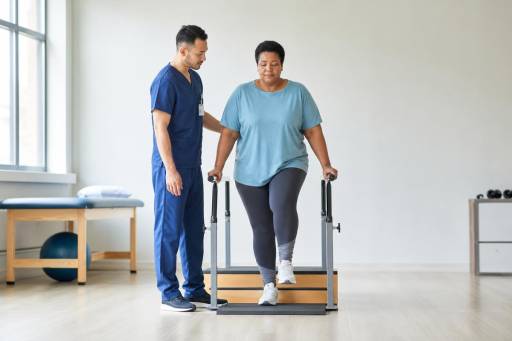
After hip replacement surgery, your body requires time to heal and regain strength before you can safely travel by air. Typically, the first 4 to 6 weeks post-operation are critical for wound healing, pain management, and regaining basic mobility. During this period, you will gradually transition from using assistive devices like walkers or crutches to more independent movement, which is essential for safely navigating airports and aircraft.
Physical therapy plays a vital role in restoring joint function and muscle strength. By about 4 weeks, many patients achieve sufficient stability and pain control to consider short trips, but long flights still require caution due to the risks associated with prolonged immobility and changes in cabin pressure. Around the 6-week mark, most patients have improved circulation and reduced swelling, which lowers the risk of complications such as deep vein thrombosis (DVT) during flights.
Your surgeon will assess your healing progress through follow-up appointments, including evaluating your incision site, range of motion, and pain levels. Only after confirming that you meet these postoperative milestones will they provide clearance for air travel. It is important to understand that individual recovery times may vary based on factors such as age, overall health, and adherence to rehabilitation protocols.
Following these guidelines helps ensure your flight does not interrupt your recovery or cause setbacks. Additionally, being mindful of your body's signals and avoiding rushing travel plans can contribute to a safer and more comfortable journey. Clear communication with your healthcare team about your travel intentions allows for personalized advice and support tailored to your recovery status.
Medical Factors That Influence When You Can Fly After Hip Surgery
Individual medical factors significantly influence the timing of safe air travel after hip replacement surgery. Your overall health status, including the presence of chronic conditions such as diabetes, cardiovascular disease, or respiratory issues, can affect how quickly you recover and tolerate the stresses associated with flying. These conditions may also increase your risk of complications during travel.
A comprehensive medical assessment is essential before flying. This evaluation typically includes checking for signs of infection, ensuring proper wound healing, and assessing your cardiovascular and respiratory status to confirm that you can safely withstand the changes in cabin pressure and immobility during flight. Since prolonged immobility during flights increases the risk of blood clots, your doctor will also consider your individual clotting risk. They may recommend preventive measures such as blood thinners, graduated compression stockings, or specific mobility exercises to reduce this risk.
Consultation with your surgeon or healthcare provider is necessary to review your current medications, evaluate any postoperative complications, and confirm your fitness to fly. This personalized approach helps tailor travel plans to your unique recovery needs and ensures that air travel is safe and appropriate at your stage of healing. Additionally, your healthcare provider can advise on the optimal timing for your flight, taking into account factors such as the duration of the journey and any necessary in-flight precautions. Being proactive in addressing these medical factors helps minimize risks and supports a smooth return home after surgery.
Preparing for Your Return Flight: Tips for a Comfortable and Safe Journey
Planning your flight back to the UK after hip replacement surgery requires thoughtful preparation to maintain comfort and reduce health risks during your journey. Selecting an aisle seat is often recommended as it provides easier access for movement, bathroom breaks, and the ability to stretch your legs periodically, all of which are important to promote circulation and prevent complications such as blood clots.
Using mobility aids such as a walker or cane, as recommended by your healthcare provider, supports safe boarding and disembarking, especially in busy airports or when navigating stairs and long corridors. It is vital to move your legs and feet regularly while seated to promote circulation and prevent blood clots. Simple exercises like ankle pumps and leg stretches can be performed discreetly during the flight.
Wearing graduated compression stockings during the flight can further reduce the risk of deep vein thrombosis by improving blood flow in your legs. Staying well hydrated by drinking plenty of water is essential, while avoiding alcohol or caffeine, which can contribute to dehydration and increase clotting risk. Carry any prescribed medications, including pain relievers and blood thinners, and bring a copy of your medical records for reference in case of emergencies.
Inform the airline in advance about your condition to arrange any necessary assistance or accommodations, such as wheelchair support or priority boarding. Planning for extra time at the airport and during transfers can reduce stress and physical strain. These steps collectively contribute to a safer and more comfortable travel experience after hip surgery, helping you arrive home ready to continue your recovery.
The Role of Postoperative Care and Follow-Up in Planning Your Return to the UK
Postoperative care plays a crucial role in determining the ideal timing for your return flight after hip replacement surgery. Regular follow-up appointments with your surgeon or healthcare team allow them to closely monitor your healing progress, manage pain effectively, and adjust rehabilitation plans as needed. These visits are essential not only for tracking recovery milestones but also for early detection and management of any complications such as infection, implant issues, or blood clots.
Rehabilitation exercises and physical therapy continue well after surgery to improve your strength, flexibility, and overall joint function. Progress in these areas directly influences your mobility level and tolerance for travel-related stressors such as prolonged sitting and limited movement. Your doctor will consider your rehabilitation status, including your ability to walk safely and manage daily activities, when advising on your readiness to fly.
Obtaining your doctor's approval before booking and undertaking your flight ensures that your health is stable and your recovery is on track. This collaborative approach between you and your healthcare providers supports a safe transition back home and successful long-term outcomes. Additionally, your healthcare team can provide personalized recommendations on travel precautions, such as the use of compression stockings or blood thinners, based on your recovery status. Maintaining open communication with your medical team throughout your postoperative period is vital for making informed decisions about your travel plans.
Signs That Indicate You Are Not Ready to Fly After Hip Replacement
Recognizing warning signs that suggest you should postpone flying is essential for your safety and overall recovery. Severe pain that is not controlled by medication may indicate complications such as infection, improper healing, or even mechanical issues with the implant. It is important not to ignore persistent or worsening pain, as it could signal a problem that requires prompt medical evaluation. Excessive swelling, redness, or warmth around the surgical site can also signal infection or inflammation, which may need urgent treatment to prevent further complications.
In addition to localized symptoms, systemic signs such as chest pain, shortness of breath, or sudden swelling in one leg could indicate the presence of blood clots, including deep vein thrombosis (DVT) or pulmonary embolism. These are serious conditions that demand immediate medical attention and contraindicate air travel due to the increased risk of clot migration during flights. Fever or chills are additional warning signs of infection that should not be ignored before flying.
If you experience any of these symptoms, it is critical to contact your healthcare provider promptly and delay travel until you receive medical clearance. Attempting to fly despite these signs can exacerbate your condition and lead to life-threatening complications. Prioritizing your health by heeding these signs helps prevent serious issues and ensures a safer recovery journey. Always err on the side of caution and seek professional advice if you are uncertain about your readiness to fly after hip replacement surgery.
Find Out If Hip Replacement Surgery May Be Right for You
Answer a few short questions and HealthNode will help you connect with the right orthopedic hip specialist.
Pain and Daily Mobility
This helps us understand how much your hip affects walking, sleep, and daily activities.
Previous Diagnosis or Treatment
Tell us what has already been checked or tried before considering surgery.
Surgery Goals and Timing
Tell us what kind of support you are looking for now.
Contact information
Your information is only used to contact you and is never shared with third parties.
Your request has been received!
Thank you. If you have hip X-ray, MRI, CT scan, diagnosis notes, medication history, injection records, physical therapy notes, or previous surgery records, please keep them ready. A HealthNode consultant will guide you through the next step.
Frequently Asked Questions
Q: How long should I wait before flying after a hip replacement in Turkey?
A: Typically, most patients are advised to wait at least 4 to 6 weeks, but this varies depending on individual recovery and medical advice.
Q: What medical assessments are necessary before flying?
A: Patients should undergo a medical evaluation from their surgeon or healthcare provider to confirm healing progress and fitness to fly.
Q: Are there specific precautions I should take during the flight?
A: Yes, including moving periodically, wearing compression stockings, staying hydrated, and following your doctor’s recommendations.
Q: What symptoms should prompt me to delay my flight?
A: Severe pain, swelling, signs of infection, or symptoms of blood clots such as chest pain or shortness of breath should be evaluated by a doctor before flying.
Q: Can I travel alone after my surgery?
A: Traveling alone is possible if you are sufficiently mobile and have received medical clearance, but consider assistance for comfort and safety.
The information provided is for educational purposes only and does not constitute medical advice. Always consult with a healthcare professional for medical guidance specific to your situation.