Quick Answer
Hip replacement recovery continues long after hospital discharge due to complex biological healing processes, muscle recovery, bone integration, and the need for ongoing physical therapy and rehabilitation.
- Recovery involves tissue repair, bone integration, and muscle strength restoration, which take weeks to months.
- Physical therapy and home care are essential for regaining joint mobility, muscle strength, and balance.
- Individual factors such as age, health status, activity level, and surgical technique influence recovery duration.
- Common challenges during recovery include pain, stiffness, and limited mobility, which require consistent rehabilitation efforts.
- Signs of complications like infection, severe pain, or joint instability warrant prompt medical attention.
- Recovery typically spans several months, with full function potentially taking up to a year.
- Adherence to rehabilitation protocols and communication with healthcare providers support successful long-term outcomes.
Why Does Hip Replacement Recovery Continue Long After You Leave the Hospital?
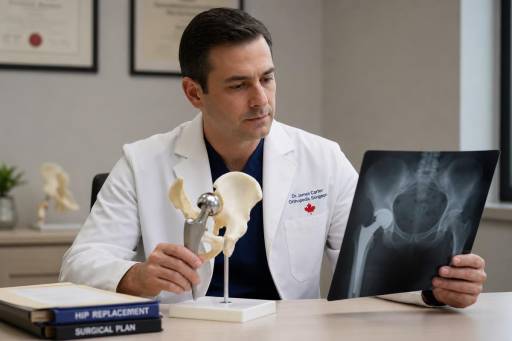
Hip replacement recovery extends well beyond your hospital stay because healing involves several complex biological and functional processes that take time. After surgery, the body must repair tissues, integrate the implant with bone, restore muscle strength, and regain joint mobility. These ongoing stages require weeks to months of careful rehabilitation.
Once discharged, your recovery journey continues at home or in outpatient physical therapy settings where gradual progress and adherence to care routines play a key role in regaining full function. Understanding why recovery lasts long can help set realistic expectations and motivate you to stay consistent with exercises and precautions.
This extended recovery period is influenced by your body's natural healing mechanisms and various personal factors like age, health status, and the surgical approach used. Being informed about these factors and the role of physical therapy can empower you to manage challenges and recognize when to seek medical advice for complications.
Find Out If Hip Replacement Surgery May Be Right for You
Answer a few short questions and HealthNode will help you connect with the right orthopedic hip specialist.
Pain and Daily Mobility
This helps us understand how much your hip affects walking, sleep, and daily activities.
Previous Diagnosis or Treatment
Tell us what has already been checked or tried before considering surgery.
Surgery Goals and Timing
Tell us what kind of support you are looking for now.
Contact information
Your information is only used to contact you and is never shared with third parties.
Your request has been received!
Thank you. If you have hip X-ray, MRI, CT scan, diagnosis notes, medication history, injection records, physical therapy notes, or previous surgery records, please keep them ready. A HealthNode consultant will guide you through the next step.
The Biological Processes Behind Prolonged Hip Recovery
Healing after hip replacement surgery is a multifaceted biological process that continues long after you leave the hospital. Initially, your body focuses on tissue repair, which includes healing the surgical incision and surrounding soft tissues. This phase is crucial to prevent infection and prepare for deeper healing stages.
Next, bone integration occurs where the implant's components bond securely with your natural bone. This process, known as osseointegration, can take several weeks to months and is essential for implant stability and function. During this time, your body remodels bone around the implant to achieve a strong, lasting connection.
Muscle recovery is another vital aspect. Surgery often involves cutting or displacing muscles around the hip joint, so rebuilding muscle strength and flexibility takes time. Proper muscle function supports joint stability and mobility, reducing the risk of falls or implant stress.
Overall, these biological healing stages overlap and progress gradually, explaining why recovery is an ongoing journey. Patience and adherence to rehabilitation protocols promote optimal tissue repair, bone integration, and muscle restoration for successful long-term outcomes.
Factors That Influence Long-Term Hip Recovery
Your hip replacement recovery timeline is influenced by several individual factors that affect how quickly and well you heal. Age plays a significant role; younger patients generally heal faster due to better tissue regeneration and muscle strength, while older adults may experience slower recovery.
Your activity level before and after surgery also impacts outcomes. Patients who are more active tend to regain mobility sooner because their muscles and cardiovascular systems are better conditioned for rehabilitation exercises. Conversely, a sedentary lifestyle might prolong stiffness and weakness.
Comorbidities such as diabetes, obesity, or cardiovascular disease can complicate healing by impairing blood flow, increasing infection risk, or limiting exercise tolerance. Managing these conditions carefully improves your recovery prospects.
The surgical technique used also matters. Minimally invasive approaches may reduce tissue trauma and pain, enabling quicker initial recovery, but all techniques require gradual rehabilitation to achieve full function.
Understanding these factors helps you set realistic expectations and tailor your recovery plan with your healthcare team for the best possible results.
The Role of Physical Therapy and Home Care in Sustaining Recovery
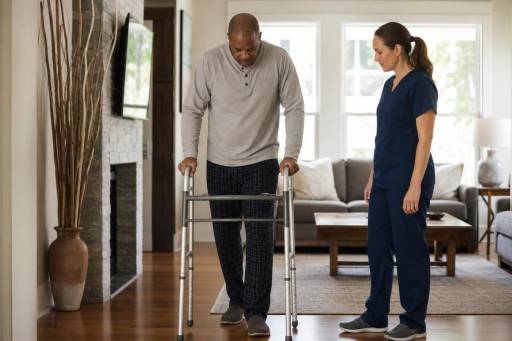
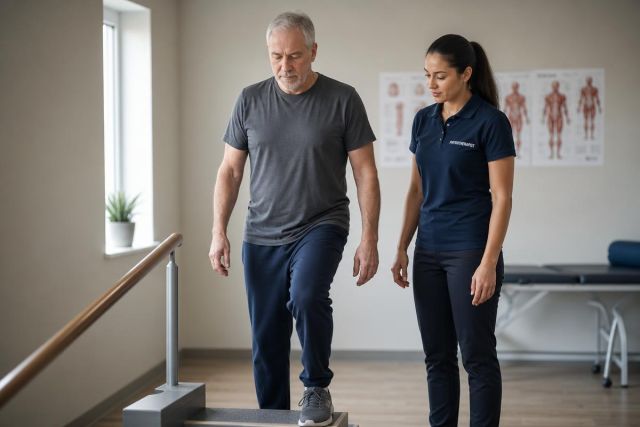
Physical therapy is a cornerstone of successful hip replacement recovery, especially after you leave the hospital. Therapists guide you through rehabilitation exercises designed to improve joint mobility, muscle strength, and balance. These exercises gradually restore your ability to perform daily activities safely.
Home care routines complement formal therapy sessions. Maintaining proper posture, avoiding certain movements that stress the new joint, and using assistive devices as recommended help protect your hip during healing. Consistency in these routines accelerates progress and reduces setbacks.
Rehabilitation exercises often start with gentle range-of-motion movements and progress to weight-bearing and strengthening activities as tolerated. Your therapist tailors the program to your pace, ensuring improvements without overloading the joint.
Proper pain management and wound care at home also support rehabilitation by enabling participation in therapy and preventing complications.
Ultimately, your commitment to physical therapy and home care practices sustains recovery momentum and maximizes your hip replacement’s long-term success.
Common Challenges During Extended Hip Recovery and How to Overcome Them
During extended hip replacement recovery, you may face challenges such as persistent pain, joint stiffness, and limited mobility that can feel discouraging. Postoperative pain is common but usually diminishes over time with proper medication and therapy.
Stiffness can occur if the joint is not moved regularly or if scar tissue forms around the implant. Engaging in prescribed exercises helps maintain flexibility and reduce stiffness.
Mobility issues may arise from muscle weakness or fear of putting weight on the new hip. Gradual strengthening exercises and balance training rebuild confidence and function.
Addressing these challenges requires patience and adherence to your rehabilitation plan. Open communication with your healthcare providers about symptoms allows timely adjustments to your pain management or therapy.
Remember that setbacks are normal but manageable with consistent effort and professional support, helping you regain independence and quality of life.
When to Seek Medical Advice During Your Hip Recovery Journey
Knowing when to seek medical advice during your hip replacement recovery is vital for safety and optimal outcomes. Contact your healthcare provider if you experience signs of infection such as increased redness, swelling, warmth, or drainage at the surgical site, accompanied by fever.
Severe or worsening pain not relieved by prescribed medications should also prompt evaluation to rule out complications like implant issues or blood clots.
If you notice sudden joint instability, difficulty bearing weight, or unusual noises from the hip, these may indicate dislocation or implant problems requiring prompt attention.
Find Out If Hip Replacement Surgery May Be Right for You
Answer a few short questions and HealthNode will help you connect with the right orthopedic hip specialist.
Pain and Daily Mobility
This helps us understand how much your hip affects walking, sleep, and daily activities.
Previous Diagnosis or Treatment
Tell us what has already been checked or tried before considering surgery.
Surgery Goals and Timing
Tell us what kind of support you are looking for now.
Contact information
Your information is only used to contact you and is never shared with third parties.
Your request has been received!
Thank you. If you have hip X-ray, MRI, CT scan, diagnosis notes, medication history, injection records, physical therapy notes, or previous surgery records, please keep them ready. A HealthNode consultant will guide you through the next step.
Other concerning symptoms include persistent numbness, significant swelling in the leg, or chest pain and shortness of breath, which could signal more serious conditions.
Timely medical consultation ensures complications are addressed early, supporting a smoother recovery and protecting your health.
Frequently Asked Questions
Q: How long does hip replacement recovery usually last?
A: Hip replacement recovery typically spans several months, with most patients regaining significant function within 3 to 6 months. However, full recovery, including optimal strength and mobility, may take up to a year depending on individual factors.
Q: When can I resume normal activities after hip replacement?
A: Light activities like walking can often resume within days to weeks after surgery. More demanding tasks or sports usually require clearance from your surgeon and physical therapist, often several months post-surgery, to avoid injury.
Q: What are common sources of pain during long-term recovery?
A: Pain may stem from muscle healing, joint stiffness, or inflammation around the implant. Proper pain management and consistent physical therapy help minimize discomfort and improve function during recovery.
Q: How important is physical therapy after hospital discharge?
A: Physical therapy is essential for restoring strength, flexibility, and mobility. It helps you safely regain independence and reduces the risk of complications such as stiffness or falls.
Q: What signs indicate complications needing urgent medical care?
A: Signs include surgical site infection symptoms, severe unexplained pain, sudden joint instability, or symptoms of blood clots like leg swelling or chest pain. Prompt medical evaluation is critical if these occur.
The information provided is for educational purposes only and does not constitute medical advice. Always consult with a healthcare professional for medical guidance specific to your situation.