Quick Answer
A same-day knee replacement discharge plan can change if medical professionals determine that the patient is not yet safe to leave the hospital based on assessments of pain control, mobility, vital signs, and wound condition. In such cases, discharge may be postponed to ensure proper monitoring and care for a safe recovery.
- Patient safety is the highest priority in determining discharge timing after knee replacement surgery.
- Discharge readiness is assessed by evaluating vital signs, pain control, mobility, wound condition, and overall medical stability.
- Common reasons for postponing same-day discharge include uncontrolled pain, mobility challenges, signs of infection, abnormal vital signs, and gastrointestinal issues.
- If discharge is delayed, alternative care options include extended hospital stay, transfer to rehabilitation facilities, or home care support with professional assistance.
- Medical teams implement safety protocols such as continuous monitoring, fall prevention, pain management, and multidisciplinary care coordination during recovery.
- Preparing the home environment by removing hazards and following post-discharge instructions is essential for a safe recovery at home.
- Patient education and active participation in rehabilitation exercises contribute to better recovery outcomes after knee replacement surgery.
A Same-Day Knee Replacement Plan Can Change if You Are Not Safe to Discharge
A same-day knee replacement surgery plan is designed to allow patients to return home safely on the day of their procedure. However, this plan can change if medical professionals determine that you are not yet safe to be discharged from the hospital. Patient safety is the highest priority, so if your recovery readiness does not meet established clinical criteria, your discharge will be postponed to ensure proper monitoring and care.
Knee replacement surgery is a major procedure that places significant physiological stress on the body. It requires careful postoperative assessment to determine if you can safely manage at home. Several factors influence discharge decisions, including effective pain control, ability to mobilize safely, stable vital signs, and satisfactory wound condition. These assessments help prevent complications such as falls, infections, or uncontrolled pain, supporting the best possible recovery outcomes.
Understanding what influences discharge timing can help you prepare both mentally and practically for your surgery and recovery journey. Being informed allows you to set realistic expectations and engage in open discussions with your healthcare team about your individual recovery plan. This article explains how your discharge plan might change, common reasons for postponement, alternative care options available if discharge is delayed, and the safety measures medical teams implement throughout your recovery process. Such knowledge empowers you to participate actively in your care and supports a smoother transition through each phase of recovery.
Get Support for Joint Pain and Osteoarthritis
Answer a few short questions and HealthNode will help you connect with the right orthopedics, physical therapy, or joint care specialist.
Pain and Daily Life
This helps us understand how much the joint problem affects your movement and daily activities.
Previous Diagnosis or Treatment
Tell us what has already been checked or tried so we can route you to the right care option.
Contact information
Your information is only used to contact you and is never shared with third parties.
Your request has been received!
Thank you. If you have X-ray, MRI, blood test results, previous diagnosis notes, medication history, injection records, physical therapy notes, or previous surgery records, please keep them ready. A HealthNode consultant will guide you through the next step.
Assessing Patient Readiness for Discharge on the Same Day
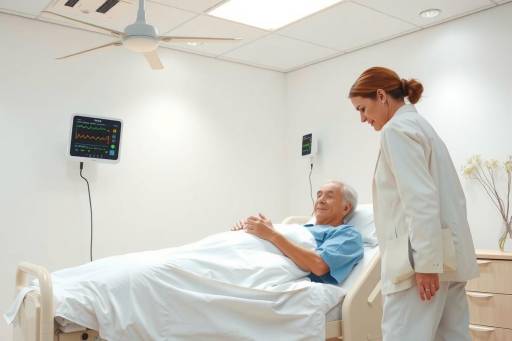
Determining your readiness for discharge after knee replacement surgery involves a comprehensive evaluation conducted by your medical team. This assessment begins with ensuring that your vital signs, such as blood pressure, heart rate, respiratory rate, and oxygen saturation, are stable and within normal limits. Stable vital signs indicate that your body is tolerating the surgery well and that there are no immediate medical concerns requiring inpatient care.
Effective pain control is another critical factor. Your pain should be well-managed with oral medications, enabling you to move and participate in physical therapy without excessive discomfort. Uncontrolled pain can hinder mobility and delay recovery, so achieving adequate analgesia is essential before discharge.
Mobility assessment requires that you demonstrate the ability to safely walk a short distance, often with the assistance of mobility aids like a walker or crutches. This ensures you can navigate your home environment without undue risk of falls. Additionally, your surgical wound is carefully inspected to confirm proper closure, absence of excessive bleeding, and no signs of infection such as redness, swelling, or discharge.
Clinical judgment also incorporates consideration of your overall medical condition, including any preexisting health issues such as diabetes, cardiovascular disease, or respiratory problems that might complicate recovery. If any of these criteria are not satisfactorily met, the healthcare team may recommend an extended hospital stay to optimize your safety and support before discharge.
This thorough and multidisciplinary evaluation helps prevent early postoperative risks like falls, uncontrolled pain, or wound complications, thereby promoting a safer and more effective recovery process.
Common Reasons Why a Same-Day Discharge May Be Postponed
Several complications or concerns may arise during or shortly after knee replacement surgery that lead to postponing your discharge from the hospital. One common reason is difficulty managing pain adequately with oral medications. If your pain remains severe despite prescribed treatments, more intensive interventions such as intravenous pain medications or nerve blocks may be necessary to ensure comfort and facilitate early mobilization.
Mobility challenges also play a significant role in discharge decisions. If you are unable to safely walk or maintain balance, the risk of falls and subsequent injury increases substantially. Ensuring that you can ambulate with appropriate assistance or mobility aids is critical before considering discharge. Additionally, signs of infection, including redness, swelling, warmth around the surgical site, or systemic symptoms like fever, require prompt medical attention and monitoring to prevent serious complications.
Other factors that may delay discharge include abnormal vital signs indicating hemodynamic instability, such as low blood pressure or irregular heart rhythms. Excessive bleeding or drainage from the surgical wound can also necessitate extended observation. Furthermore, nausea, vomiting, or other gastrointestinal issues that prevent adequate hydration and nutrition must be addressed to support healing. Your healthcare team carefully monitors these clinical indicators and prioritizes your safety when determining the appropriate timing for discharge, ensuring that you are physically ready to continue recovery at home or in an alternative care setting.
Alternative Care Plans if Discharge Is Delayed
If you are not deemed safe to leave the hospital on the day of your knee replacement surgery, several alternative care plans are available to support your ongoing recovery. One option is to remain hospitalized for additional observation and treatment. This allows healthcare providers to closely monitor your vital signs, manage pain more effectively, and promptly address any complications such as infection or wound issues.
In some cases, transfer to a rehabilitation facility or skilled nursing center may be arranged. These specialized settings offer focused physical therapy and nursing care designed to help you regain mobility, strength, and independence in a controlled environment. Rehabilitation centers often provide structured exercise programs and support services that facilitate a smoother transition back to home life.
Home care support can also be coordinated as part of your recovery plan. This may include visits from nurses or physical therapists who assist with wound care, medication management, and rehabilitation exercises. Such services ensure continued professional oversight while allowing you to recover in the comfort of your own home.
Your medical team will tailor the alternative care plan to your specific needs, taking into account your overall health, recovery progress, and social support system. This individualized approach offers reassurance that your recovery is progressing safely under expert supervision, even if your discharge is delayed beyond the initial planned timeframe.
How Medical Teams Ensure Patient Safety During Knee Replacement Recovery
Your healthcare providers implement a comprehensive set of safety protocols throughout your knee replacement recovery to minimize risks and promote healing. Continuous patient monitoring is a cornerstone of this approach, involving regular checks of vital signs such as blood pressure, heart rate, respiratory rate, and oxygen saturation. Close observation of your surgical wound is also essential to detect any signs of infection or abnormal healing early. Neurological assessments help ensure that nerve function is intact and that you are not experiencing any unexpected numbness or weakness.
Safety protocols extend to fall prevention, which is particularly important given the temporary limitations in mobility following surgery. Assisted ambulation with the help of physical therapists or nursing staff, as well as the use of mobility aids like walkers or crutches, are standard measures to reduce fall risk. Your pain management plan is carefully tailored to your individual needs, often involving a combination of medications such as oral analgesics, nerve blocks, or anti-inflammatory drugs, alongside non-pharmacological techniques like ice application or elevation.
Clinical judgment plays a vital role in adjusting your care plan based on ongoing assessments of your condition. Healthcare professionals continuously evaluate your progress and modify treatment strategies to address any emerging concerns. Effective communication and coordination among surgeons, nurses, physical therapists, and other specialists ensure that all aspects of your recovery are aligned. These multidisciplinary efforts collectively create a safe and supportive environment, enhancing the likelihood of a successful and complication-free recovery after knee replacement surgery.
Preparing for a Safe and Successful Knee Replacement Recovery at Home
When your discharge from the hospital is finally approved, it is essential to prepare your home environment thoroughly to ensure a safe and successful recovery after knee replacement surgery. This preparation involves removing any potential tripping hazards such as loose rugs, electrical cords, or clutter that could increase your risk of falls. Adequate lighting throughout your living space is crucial to help you navigate safely, especially during nighttime trips to the bathroom. Additionally, arranging frequently used items, like medications, water bottles, and personal care products, within easy reach can prevent unnecessary bending or stretching that might strain your healing knee.
Following all post-discharge instructions provided by your healthcare team is critical. These instructions typically include detailed guidance on wound care to prevent infection, adherence to medication schedules to manage pain and inflammation, activity restrictions to avoid overexertion, and clear signs of complications to watch for, such as increased redness, swelling, or fever. Understanding these instructions empowers you to recognize when to seek medical advice promptly.
Rehabilitation at home plays a vital role in regaining strength and mobility. This usually involves performing prescribed physical therapy exercises designed to improve joint flexibility and muscle function. Consistency and proper technique during these exercises are important to maximize benefits and avoid injury. Patient education about these rehabilitation steps not only supports your physical recovery but also fosters confidence and motivation. Taking an active role in your recovery process can lead to better outcomes and a smoother transition back to daily activities after knee replacement surgery.
Frequently Asked Questions
Q: What factors determine if I am safe to be discharged after knee replacement surgery?
A: Discharge safety is based on pain control, mobility, vital signs, wound condition, and overall stability assessed by the medical team.
Get Support for Joint Pain and Osteoarthritis
Answer a few short questions and HealthNode will help you connect with the right orthopedics, physical therapy, or joint care specialist.
Pain and Daily Life
This helps us understand how much the joint problem affects your movement and daily activities.
Previous Diagnosis or Treatment
Tell us what has already been checked or tried so we can route you to the right care option.
Contact information
Your information is only used to contact you and is never shared with third parties.
Your request has been received!
Thank you. If you have X-ray, MRI, blood test results, previous diagnosis notes, medication history, injection records, physical therapy notes, or previous surgery records, please keep them ready. A HealthNode consultant will guide you through the next step.
Q: Can my discharge be delayed even if I was scheduled for same-day surgery?
A: Yes, if complications or safety concerns arise, the healthcare team may decide to delay discharge for further monitoring and care.
Q: What happens if I cannot be discharged on the same day?
A: You may stay in the hospital for additional observation, receive extended pain management, or be transferred to a rehabilitation facility if necessary.
Q: Will my recovery be affected if I stay longer in the hospital?
A: Extended stays are aimed at ensuring safety and optimal recovery; they do not negatively impact your long-term outcome.
Q: What should I do to prepare for a safe discharge after knee replacement?
A: Follow all pre- and post-surgery instructions, communicate openly with your healthcare team, and ensure support systems are in place at home.
Q: Are there risks associated with early discharge after knee replacement?
A: Early discharge can carry risks if safety criteria are not met, including falls, wound complications, or inadequate pain control.
The information provided is for educational purposes only and does not constitute medical advice. Always consult with a healthcare professional for medical guidance specific to your situation.