Quick Answer
Most people with a knee replacement do not routinely need preventive antibiotics before dental work. Your medical history, the planned procedure, and advice from your dentist and orthopedic team may affect the decision.
- A knee implant alone does not mean every dental visit requires antibiotics.
- Bacteria can briefly enter the bloodstream during some dental procedures and everyday activities, but that does not mean an implant infection will occur.
- Clinicians may consider a prior prosthetic joint infection, immune-suppressing treatment, significant medical conditions, surgical history, and the planned dental procedure.
- Preventive antibiotics can cause side effects, allergic reactions, and contribute to antibiotic resistance.
- Routine oral hygiene and appropriate dental care remain important after knee replacement.
- Tell your dentist and orthopedic surgeon about your surgery, health history, medications, allergies, and planned dental treatment, and ask them to coordinate if their advice differs.
- Contact a dentist promptly about an active tooth or gum infection, and do not start, change, or take leftover antibiotics without clinician guidance.
Do You Need Antibiotics Before Dental Work After Knee Replacement?
Antibiotics before dental work after knee replacement are not routinely recommended for most people with an artificial knee. A possible link between bacteria in the bloodstream and an implant infection does not mean dental care commonly causes infection, or that preventive antibiotics are right for everyone. Your medical history, the planned dental treatment, and advice from your clinicians can all matter.
It is understandable to want to protect a new joint, especially when you have heard that dental procedures can briefly put bacteria into the blood. A prosthetic joint infection, or PJI, is an infection around an artificial joint. It is serious, but the possibility of a pathway from the mouth to the bloodstream does not by itself establish that dental work caused an infection. Routine oral care remains important, and delaying needed dental treatment can also create problems.
Recommendations may differ across countries and between healthcare teams, so bring your knee surgery history and medication list to your dentist. If you receive care in another country or speak a different first language, ask for the recommendation and its reasoning in a form you can understand, and share it with your orthopedic team. Do not start or change antibiotics on your own.
Get Support for Joint Pain and Osteoarthritis
Answer a few short questions and HealthNode will help you connect with the right orthopedics, physical therapy, or joint care specialist.
Pain and Daily Life
This helps us understand how much the joint problem affects your movement and daily activities.
Previous Diagnosis or Treatment
Tell us what has already been checked or tried so we can route you to the right care option.
Contact information
Your information is only used to contact you and is never shared with third parties.
Your request has been received!
Thank you. If you have X-ray, MRI, blood test results, previous diagnosis notes, medication history, injection records, physical therapy notes, or previous surgery records, please keep them ready. A HealthNode consultant will guide you through the next step.
How Dental Bacteria Could Reach a Knee Implant
Bacteria normally live in the mouth. They can sometimes enter the bloodstream during dental procedures, particularly when treatment affects gum tissue, and brief episodes can also happen during everyday activities such as chewing or brushing. This is called bacteremia. It usually does not mean that you have an infection or need treatment.
The concern is that bacteria in the blood might reach an artificial joint and cause a prosthetic joint infection, or PJI. In plain language, a PJI is an infection around a joint implant. It can require substantial medical care, which is why people with knee replacements may ask whether dental treatment poses a special risk.
A possible route is not proof that dental work commonly causes an implant infection. The presence of bacteria in the blood does not mean they will settle around the knee, and a PJI can have causes unrelated to dental care. That distinction matters: preventive antibiotics are intended to lower a specific risk, but they cannot guarantee that an infection will not occur. Your knee replacement is a reason to tell your dentist about your history, not a reason to assume every dental visit needs antibiotics.
When Antibiotics Before Dental Work Are Usually Not Needed
For most people with a joint replacement, professional guidance generally does not recommend routine preventive antibiotics before dental procedures. The American Dental Association’s 2015 clinical practice guideline on prophylactic antibiotics for patients with prosthetic joint implants likewise generally recommends against their use (PubMed). This includes many people having ordinary dental visits, though the decision should reflect your circumstances and the procedure planned. Having an artificial knee alone does not automatically mean you need an antibiotic prescription.
Preventive antibiotics, also called antibiotic prophylaxis, are given before a procedure to try to prevent an infection. They are different from antibiotics prescribed to treat an existing dental infection. Using an antibiotic when it is not needed can cause side effects, allergic reactions, and contribute to antibiotic resistance. It is sensible to ask why a medication is being recommended rather than taking it simply because you have an implant.
Guidance and practice can vary between countries and clinicians, and general recommendations are not a guarantee for an individual patient. If your dentist recommends antibiotics, ask what personal factor or procedure led to that advice. If your orthopedic surgeon gives different guidance, ask the two clinicians to coordinate rather than choosing between conflicting instructions yourself. A decision not to use preventive antibiotics should not be taken as a reason to skip necessary dental care.
Which Health Factors May Change the Decision?
Your clinicians may weigh several details rather than apply a single rule. These can include a previous prosthetic joint infection, conditions or treatments that suppress your immune system, significant medical conditions, and your surgical history. The type of dental procedure and whether you have an active infection may also affect what needs to happen next.
These details do not automatically mean that preventive antibiotics are appropriate. For example, a past infection around an artificial joint is important to report, but your care team still needs to consider the full clinical picture. Similarly, a dental procedure involving gum tissue may raise different questions from a routine examination, but the procedure alone does not determine the answer for every patient.
Give your dentist and orthopedic surgeon a clear, current history. Mention when your knee replacement was done, any complications or prior joint infections, major medical conditions, immune-suppressing medicines, allergies, and the dental treatment being planned. If you are unsure of a medication name or surgical detail, bring your records or ask your care team to help confirm it. Avoid using leftover antibiotics or someone else’s prescription, since the drug and timing must be clinician-directed.
How to Plan Dental Cleaning and Needed Treatment
Routine oral hygiene and appropriate dental care remain important after knee replacement. Brushing, flossing as advised by your dental professional, and attending recommended checkups help you care for your teeth and gums. An artificial knee is not, by itself, a reason to avoid a cleaning or postpone all dental treatment.
There is no single waiting period that applies to every patient and every dental procedure. Your recovery, surgical history, the type of dental care, and your clinicians’ guidance can affect timing. Before booking non-urgent treatment soon after surgery, contact your dental office and orthopedic team to check whether they recommend a particular schedule. Share the planned procedure and the date of your operation.
An active tooth or gum infection is different from routine preventive care. It needs timely assessment by a dental professional, and treatment may involve addressing the infection itself rather than taking preventive antibiotics for the knee implant. If you have pain, swelling, drainage, fever, or feel unwell, contact a dentist promptly and tell them about your knee replacement. Do not delay urgent dental assessment while waiting for a routine follow-up with your surgeon.
What to Ask Your Dentist and Orthopedic Surgeon
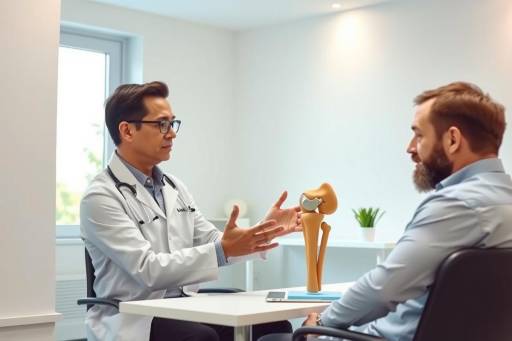
A short conversation before treatment can help your clinicians make a decision based on the same information. Tell your dentist that you have a knee implant, when the operation took place, and whether you have had an infection or complication. Ask your orthopedic surgeon whether your medical history changes the general recommendation for the planned dental procedure.
You can also ask whether the procedure should be timed differently, whether the recommendation applies to this specific treatment, and what the reason is if antibiotics have been prescribed. If you have a drug allergy, immune-suppressing treatment, or a prior prosthetic joint infection, make sure both teams know. When clinicians disagree, ask them to communicate directly or provide written guidance you can share.
If you receive care across borders, keep a copy of your knee surgery summary, medication list, and any written dental recommendations. Ask for an interpreter if language differences make it difficult to understand the plan. Do not start, stop, or take leftover antibiotics without clinician guidance. If you notice signs of a dental infection, seek prompt dental care and explain your medical history. For information about symptoms that may need attention around the artificial knee, see guidance on infection after knee replacement surgery.
Frequently Asked Questions
Q: Do I need antibiotics before a dental cleaning after knee replacement?
A: Most people with a knee replacement do not routinely need preventive antibiotics for a dental cleaning. Your medical history and the planned care can affect the decision. Tell your dentist about your implant and follow advice coordinated with your orthopedic team.
Q: Does the timing since knee replacement change dental care advice?
Get Support for Joint Pain and Osteoarthritis
Answer a few short questions and HealthNode will help you connect with the right orthopedics, physical therapy, or joint care specialist.
Pain and Daily Life
This helps us understand how much the joint problem affects your movement and daily activities.
Previous Diagnosis or Treatment
Tell us what has already been checked or tried so we can route you to the right care option.
Contact information
Your information is only used to contact you and is never shared with third parties.
Your request has been received!
Thank you. If you have X-ray, MRI, blood test results, previous diagnosis notes, medication history, injection records, physical therapy notes, or previous surgery records, please keep them ready. A HealthNode consultant will guide you through the next step.
A: Timing may be part of the decision, especially if your surgery was recent, but there is no universal waiting period for every patient or procedure. Ask your orthopedic team and dentist whether your planned treatment should be timed differently. Do not postpone urgent dental assessment without getting professional advice.
Q: Are antibiotics needed before every dental procedure?
A: No, preventive antibiotics are not routinely recommended for every person with a joint replacement before every dental procedure. The type of procedure and your health history may be considered. Ask your clinician to explain the recommendation for your specific treatment.
Q: What if I have had a prosthetic joint infection before?
A: Tell both your dentist and orthopedic surgeon about the previous infection and any treatment you received. This history may affect their assessment, but it does not automatically mean antibiotics are needed. Ask the clinicians to agree on a plan before non-urgent treatment.
Q: Should I delay dental treatment for an active tooth infection?
A: Contact a dentist promptly rather than treating an active infection as a routine cleaning question. The dentist can assess and treat the dental problem, while considering your knee replacement history. Tell the dental team if you have fever, swelling, drainage, or feel unwell.
Q: Who should I contact if my dentist and surgeon disagree?
A: Ask your dentist and orthopedic surgeon to communicate directly or provide written guidance that you can share with the other clinician. Make sure both have the same details about your surgery, health conditions, and planned procedure. Do not make changes to an antibiotic plan on your own.
The information provided is for educational purposes only and does not constitute medical advice. Always consult with a healthcare professional for medical guidance specific to your situation.